


- Home
- About Liya
- Liya Boats
- Luxury RIB Boats-Fiber Hull
- 8.3m/27Ft Cabin RIB Boat
- 8m/26Ft Sport Fiber RIB Boat
- New 7.5m/25Ft luxury Italy style RIB Boat
- Classic 7.5m/25Ft Rigid Inflatable Boat
- New 6.6m/22Ft Sport RIB Boat
- Classic 6.6m/22Ft Inflatable RIB Boat
- 6.2m/20Ft RIB Fishing Boat
- 5.8m/19Ft Fiberglass hull RIB
- 5.2m/17Ft RIB Boat
- 4.3m/14Ft Yacht Tender RIB Dinghy
- 4.3m/14Ft Center Console RIB Boat
- 3.8m/12.5Ft High Speed RIB Tender
- 3.3m/11Ft RIB Dinghy
- 8.3m/27Ft Cabin RIB Boat
- Open Deck RIBs-Fiber Hull
- Aluminum Hull RIB Boats
- 8-10M Aluminum Patrol RIB
- 7m/23Ft Aluminum RIB Yacht Tender
- 6.6m/22Ft Rigid Aluminum Hull RIB Boat
- 6.2m/20Ft Aluminum RIB Boat with Motor
- 5.8m/19Ft Aluminum Hull RIB Tender Boat
- 5.8-7.5M Transportation RIB
- 5.2m/17Ft Aluminum RIB Center Console Boat
- 4.3m/14Ft Aluminum RIB Dinghy For Sale
- 2.4-5.2m/8-17Ft Aluminum RIB Dinghy
- 8-10M Aluminum Patrol RIB
- Work RHIB-Rescue & Patrol RIBs
- 27Ft Aluminum Patrol Boat Polyurea-EVA Collar Deep-V Hull
- 9-10m/29-34Ft Aluminum Patrol RIB Boat
- Professional 8.3m Heavy-Duty Patrol RIB Boat|Fast-Response,12-Person,CE Certified
- 7.9m/26Ft RHIB for Patrol
- 6.6m/22Ft Black RIB Boat
- 5.8-7.5m/19-25ft Heavy Duty RIB Patrol & Work Boat
- 5.8-7.5m/19-25Ft Aluminum RIB Work Boat
- 27Ft Aluminum Patrol Boat Polyurea-EVA Collar Deep-V Hull
- Fiberglass Boats/Fishing Boats
- 7.6m/25Ft Fiberglass Panga Boat for Fishing
- Liya 45ft Fiberglass Cabin Fishing Boat Passenger Tour Vessel
- 9.18m/30Ft Fiberglass Cabin Fishing Boat
- 6.6m/22Ft Fiberglass Panga Skiff Boat
- 6m/20Ft Center Console Fishing Boat
- 5.8m/19Ft Center Console Panga Fishing Boat
- 5m/16.5Ft Economical Fiberglass Boat
- 7.6m/25Ft Fiberglass Panga Boat for Fishing
- Ferry & Transportation Boats
- Fully Inflatable Boats
- Luxury RIB Boats-Fiber Hull
- Application
- Hot Sale
- News
- Feature & Service
- Work RHIBs
- Contact Liya


Inquire
Shallow-water operation exposes a boat to risks that are less common on deeper, predictable routes: changing bottom conditions, sandbars, debris, beach landings, floating docks and low-speed contact with shore structures. Aluminum Hull RIB Boats are well suited to these environments because the rigid hull is designed for rugged service while inflatable tubes add buoyancy, stability and cushioning around the boat’s perimeter. They are not indestructible, and safe navigation remains essential, but their construction makes them a practical option for operators who need a reliable RIB for demanding coastal, harbor and nearshore work.
Key Takeaways
Aluminum hulls are valued for impact tolerance and abrasion resistance in shallow-water operation.
Inflatable tubes provide additional buoyancy and stability during low-speed maneuvering and boarding.
Hull shape, draft, load distribution and propeller protection affect shallow-water suitability.
A shallow-water RIB must still be operated with route planning and safe speed.
Tender, rescue, patrol and commercial workboat configurations need different deck layouts.
The Benefit of Aluminum Near Shore
A shallow-water route may involve unpredictable ground contact. The boat can encounter sand, stones, submerged debris or a rapidly changing tidal area. In these situations, aluminum offers a useful advantage: it is more likely to dent or scratch than fracture when contact occurs. The hull should still be inspected after any significant impact, especially around welds, chines, transom and keel, but the material is well suited to environments where cosmetic perfection is not the main priority.
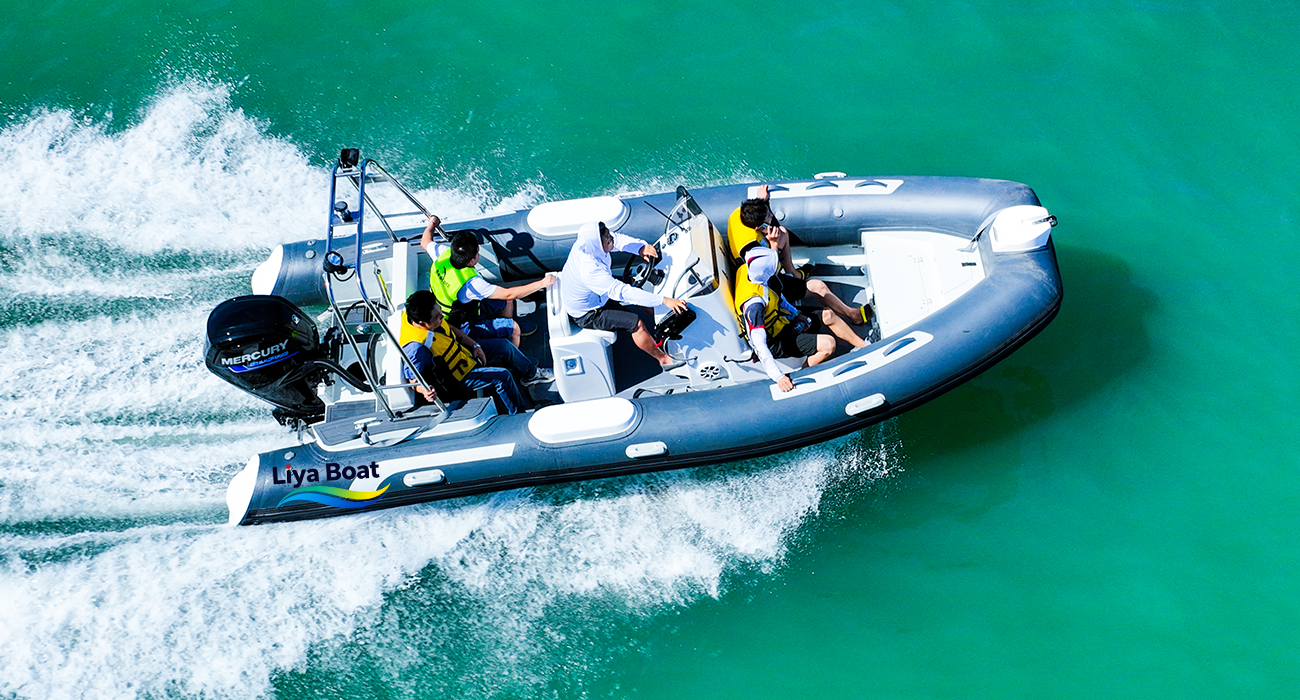
This is why Liya positions its Aluminum Hull RIB Boats for demanding environments including shallow water, rocky coastlines and frequent beach landings. The aluminum hull works with the tube system, rather than replacing it. The hull carries structural loads and cuts through water; the tubes contribute stability and buoyancy.
Shallow Water Does Not Mean Flat Water
A common mistake is assuming shallow-water use only requires a tough bottom. The boat may also encounter wind chop, boat wakes, current and crowded harbor traffic. Therefore, buyers should consider deadrise, chine design, bow shape, tube diameter, seating and weight distribution.
A deep-V aluminum RIB can provide more comfortable and controlled handling in choppy conditions, while a very deep hull may have different draft and low-speed behavior from a flatter design. There is no single correct geometry for every route. The right choice depends on whether the boat’s priority is beach access, speed, passenger comfort, load carrying or all-day utility use.
The Liya 7m Aluminum RIB Yacht Tender is an example of a dual-purpose tender and workboat configuration. Its deep-V hull, dual console and open functional deck make it suitable for repeated passenger and supply transfers where marina approaches and shore landings may form part of daily operation.
Why Inflatable Tubes Matter in Shallow Areas
The tubes do not make a RIB invulnerable to grounding, but they provide meaningful benefits. They add buoyancy along the sides, increase stability at rest and create a protective perimeter when coming alongside docks, floating platforms or another vessel. In shallow water, where slow-speed maneuvering can be frequent, this stability is especially helpful for passenger boarding and equipment transfer.
Tube material should match the environment. Operators using the RIB continuously outdoors or in professional service may prefer materials selected for durability and UV exposure. Tube care also matters: correct pressure, cleaning and prompt attention to damage protect handling and safety.
Four Things to Specify for Shallow-Water Use
Item | Why it matters |
|---|---|
Hull and keel protection | Helps the boat tolerate abrasion and minor contact risks |
Load distribution | Prevents poor trim and excessive draft at the stern |
Engine and propeller arrangement | Reduces vulnerability when operating in restricted depth |
Deck and boarding layout | Supports safe movement during beach, dock and tender transfers |
The engine should be selected and operated with shallow water in mind. Trim capability, propeller protection and operator awareness all affect risk. Even a rugged RIB should slow down where depth is uncertain and should never be deliberately run onto a hard bottom.
Shallow-Water Applications for Aluminum RIBs
Aluminum RIBs can be configured for many shallow-water roles:
yacht tenders moving guests and provisions between vessel and shore;
resort and marina shuttles;
coastal diving and water-sports support;
rescue and emergency-response teams;
patrol and utility users operating near ramps, docks and shorelines.
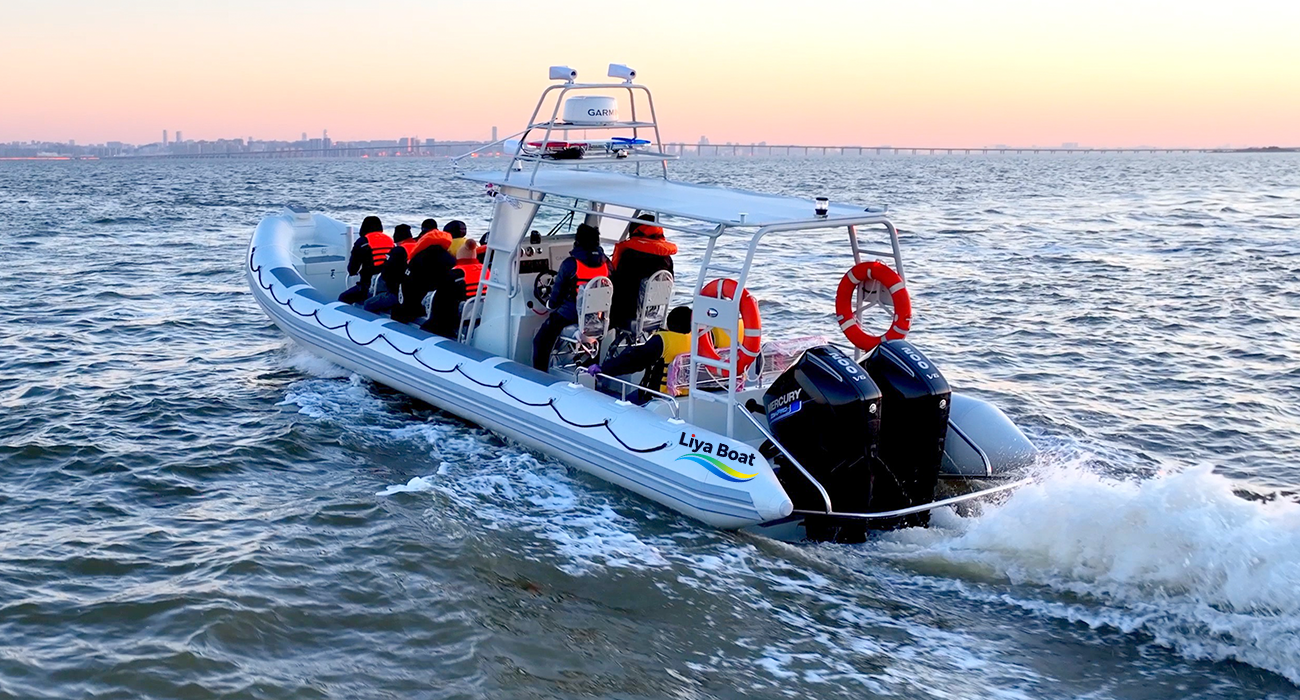
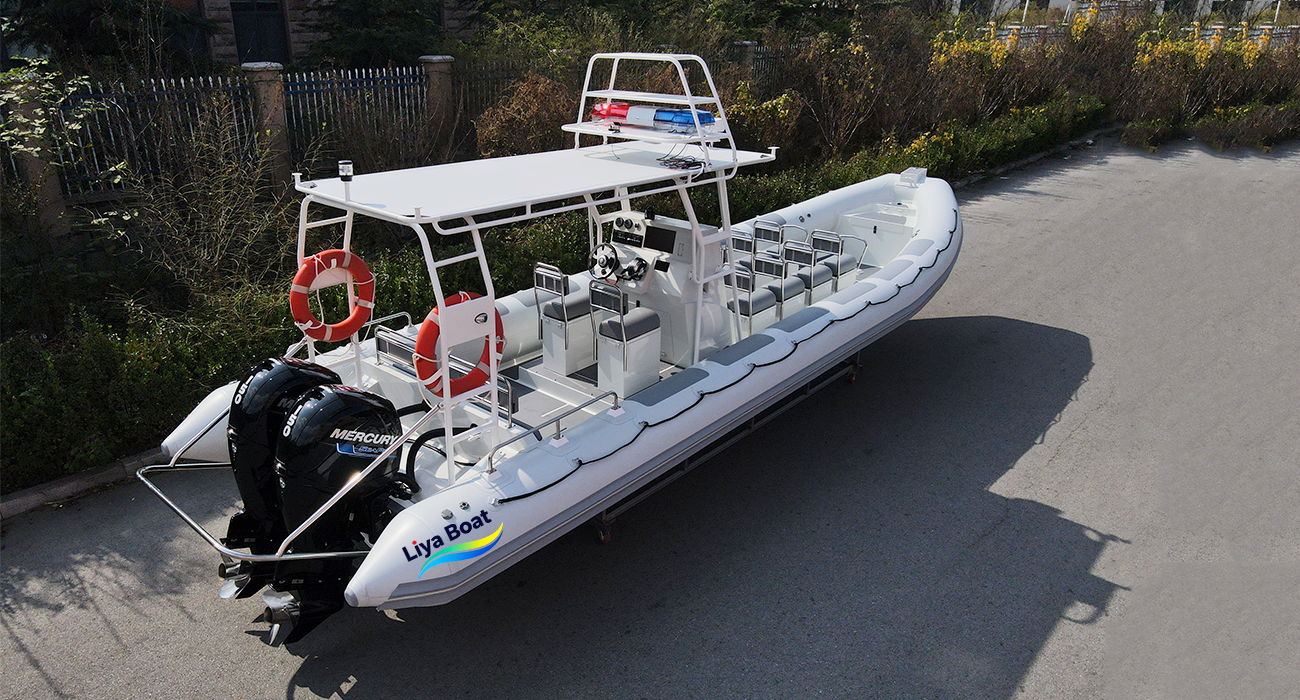
Larger professional operators may require a more substantial platform. The 10m Aluminum Patrol RIB Boat is designed for patrol and rescue-style use, with more capacity for crew, fuel, seating and mission equipment. Its suitability for shallow coastal work should be considered alongside its larger operating footprint and power requirement.
For users requiring a non-standard deck, Liya’s custom inflatable RIB manufacturing options allow buyers to discuss console placement, seating, deck reinforcement and application-specific equipment before production.
Conclusion
Aluminum RIBs are ideal for shallow water because they provide a durable rigid hull, buoyant inflatable tubes and flexible layouts for real coastal work. Their practical advantage is not permission to ignore safe navigation; it is the added resilience needed where shore contact, beaching, low-speed maneuvering and changing bottom conditions are part of the job.
Choose a size, hull form and deck configuration based on the route, payload, launching method and crew activity. When correctly specified, an aluminum RIB can serve as a highly capable tender, patrol boat, workboat or support vessel in shallow-water environments.
FAQs
Can aluminum RIB boats operate in very shallow water?
They can operate effectively in shallow areas when the route, draft, engine setup and load are suitable. Operators must still monitor depth and avoid unsafe speed.
Are aluminum RIBs good for beach landings?
Yes. Their impact-tolerant hulls are a practical advantage for controlled beach landings, although repeated hard grounding should still be avoided.
Is a 7m RIB suitable for shallow-water tender work?
Yes. A 7m aluminum RIB can provide useful passenger and cargo capacity for tender, marina and support work while remaining more manageable than a larger patrol platform.
What is the most important feature for a shallow-water RIB?
Hull durability is important, but load distribution, engine setup, hull geometry and operator technique are equally important for safe, reliable operation.
Can I customize an aluminum RIB for a shallow-water work application?
Yes. Deck reinforcement, seating, console layout, equipment mounts and boarding arrangements can be specified according to the application.

Welcome To Contact Us

-
 Choosing the hull material is one of the main decisions when buying a rigid-hull inflatable boat. Aluminum and fiberglass are both widely used for RHIBs, and both can support patrol, rescue, workboat, tender and recreational applications.The main differences lie in how the hull is made, how it respo
 -
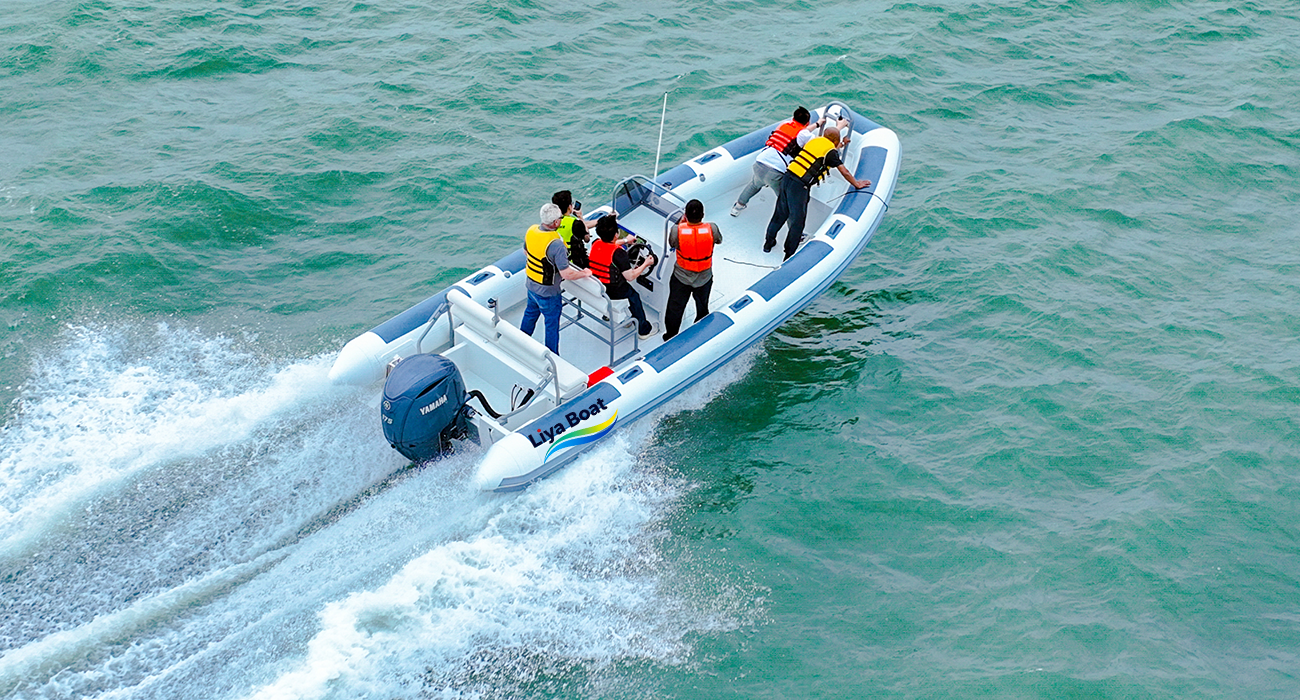 Shallow-water operation exposes a boat to risks that are less common on deeper, predictable routes: changing bottom conditions, sandbars, debris, beach landings, floating docks and low-speed contact with shore structures.
 -
 The choice between a 7m and a 10m RHIB is mainly a choice between operating roles. Both are capable Aluminum Hull RIB Boats, but they serve different needs in terms of passenger movement, deck space, route length, equipment integration and crew workflow.


