


- Home
- About Liya
- Liya Boats
- Luxury RIB Boats-Fiber Hull
- 8.3m/27Ft Cabin RIB Boat
- 8m/26Ft Sport Fiber RIB Boat
- New 7.5m/25Ft luxury Italy style RIB Boat
- Classic 7.5m/25Ft Rigid Inflatable Boat
- New 6.6m/22Ft Sport RIB Boat
- Classic 6.6m/22Ft Inflatable RIB Boat
- 6.2m/20Ft RIB Fishing Boat
- 5.8m/19Ft Fiberglass hull RIB
- 5.2m/17Ft RIB Boat
- 4.3m/14Ft Yacht Tender RIB Dinghy
- 4.3m/14Ft Center Console RIB Boat
- 3.8m/12.5Ft High Speed RIB Tender
- 3.3m/11Ft RIB Dinghy
- 8.3m/27Ft Cabin RIB Boat
- Open Deck RIBs-Fiber Hull
- Aluminum Hull RIB Boats
- 8-10M Aluminum Patrol RIB
- 7m/23Ft Aluminum RIB Yacht Tender
- 6.6m/22Ft Rigid Aluminum Hull RIB Boat
- 6.2m/20Ft Aluminum RIB Boat with Motor
- 5.8m/19Ft Aluminum Hull RIB Tender Boat
- 5.8-7.5M Transportation RIB
- 5.2m/17Ft Aluminum RIB Center Console Boat
- 4.3m/14Ft Aluminum RIB Dinghy For Sale
- 2.4-5.2m/8-17Ft Aluminum RIB Dinghy
- 8-10M Aluminum Patrol RIB
- Work RHIB-Rescue & Patrol RIBs
- 27Ft Aluminum Patrol Boat Polyurea-EVA Collar Deep-V Hull
- 9-10m/29-34Ft Aluminum Patrol RIB Boat
- Professional 8.3m Heavy-Duty Patrol RIB Boat|Fast-Response,12-Person,CE Certified
- 7.9m/26Ft RHIB for Patrol
- 6.6m/22Ft Black RIB Boat
- 5.8-7.5m/19-25ft Heavy Duty RIB Patrol & Work Boat
- 5.8-7.5m/19-25Ft Aluminum RIB Work Boat
- 27Ft Aluminum Patrol Boat Polyurea-EVA Collar Deep-V Hull
- Fiberglass Boats/Fishing Boats
- 7.6m/25Ft Fiberglass Panga Boat for Fishing
- Liya 45ft Fiberglass Cabin Fishing Boat Passenger Tour Vessel
- 9.18m/30Ft Fiberglass Cabin Fishing Boat
- 6.6m/22Ft Fiberglass Panga Skiff Boat
- 6m/20Ft Center Console Fishing Boat
- 5.8m/19Ft Center Console Panga Fishing Boat
- 5m/16.5Ft Economical Fiberglass Boat
- 7.6m/25Ft Fiberglass Panga Boat for Fishing
- Ferry & Transportation Boats
- Fully Inflatable Boats
- Luxury RIB Boats-Fiber Hull
- Application
- Hot Sale
- News
- Feature & Service
- Work RHIBs
- Contact Liya


Inquire
A boat carrying superyacht guests today might transport tools and crew tomorrow. Can one vessel handle both jobs? A 14-person Aluminum RIB combines a marine-grade aluminum hull, inflatable buoyancy tubes, and a practical deck layout. Yet passenger capacity alone cannot guarantee comfortable or efficient operations. Deck access, weight distribution, handling, and payload all influence how the boat performs. These factors become especially important when switching between leisure and commercial duties. So, can a 7-meter Aluminum RIB offer guest comfort without sacrificing workboat practicality? The answer depends on its design and configuration. We'll examine seating arrangements, hull performance, operating applications, engine requirements, and equipment choices.
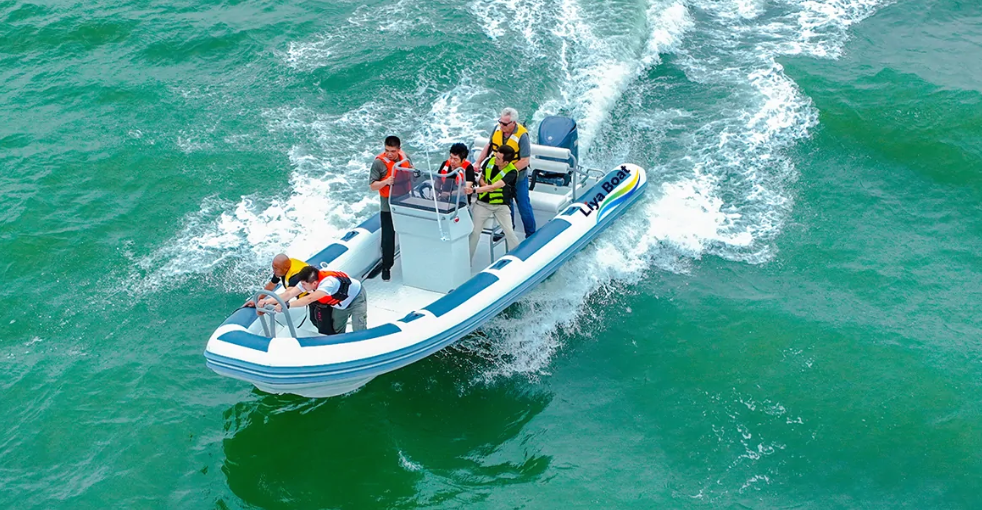
How a 14-Person Aluminum RIB Handles Passenger and Cargo Transfers
Carrying fourteen people requires more than sufficient seating. Passengers need safe access, secure positions, and room for personal belongings. Commercial operators also need space for equipment and supplies. A well-planned deck helps balance these requirements without making routine transfers unnecessarily complicated.
Passenger Capacity vs. Usable Deck Space
A 14-person rating establishes a maximum passenger limit under specified conditions. It does not guarantee comfortable seating for fourteen adults carrying luggage. Available space also depends on the console arrangement and installed equipment. Consider a tender collecting guests from a busy marina. Several passengers may carry bags, while others need assistance boarding. The crew must maintain clear access between boarding points and passenger areas.
A workboat faces a different challenge. Tools, protective equipment, and maintenance supplies occupy valuable deck space. Heavy items also influence trim when placed near the bow or stern. Operators should consider three practical questions before loading:
How many passengers will normally travel together?
How much equipment or luggage must accompany them?
Can everyone board and move safely without climbing over cargo?
Passenger numbers and total loading limits must both be respected. A boat can reach its weight limit before reaching maximum occupancy.
Dual-Console Layout and Passenger Movement
Console placement affects how efficiently the crew operates the boat. A centrally positioned dual-console arrangement supports communication and coordinated maneuvering. Two operators can monitor boarding activity and nearby traffic. Adjustable pilot seats also support different operating positions. Sitting may suit relaxed transfers, while standing improves visibility during docking.
Passenger movement remains equally important. Walkways should stay clear, especially around frequently used boarding points. Cushioned aft seating offers comfort during short coastal journeys. Our 7m Aluminum Hull RIB Yacht Tender demonstrates this dual-purpose approach. It features a centerline dual console and 14-person rated capacity. Its published maximum loading specification is 1,700 kg. These figures help buyers evaluate potential operating arrangements. However, passengers, equipment, and other applicable loads must remain within approved limits.
Why Aluminum Hull Construction Matters for Both Yacht and Workboat Operations
Hull construction influences daily handling, durability, and maintenance requirements. These factors become especially important when one vessel performs several different jobs. An aluminum-hull RIB combines a rigid metal structure and inflatable buoyancy tubes. Each component supports a different aspect of marine operation.
Deep-V Hull Performance During Loaded Transfers
A deep-V hull helps a boat enter waves more progressively. This can reduce harsh impacts compared with flatter designs under suitable conditions. However, hull geometry alone cannot guarantee a comfortable ride. Passenger weight, operating speed, wave direction, and trim also matter.
Imagine a tender leaving a marina carrying four guests. The boat may accelerate and reach planing speed relatively easily. The same vessel behaves differently when carrying additional passengers and equipment. Extra weight can increase the time needed to plane. Poor weight distribution may also affect visibility and handling. Experienced operators adjust throttle settings according to actual conditions. They reduce speed when wave impacts become uncomfortable or unsafe. For commercial operations, predictable handling often matters more than maximum speed. A boat that maintains controlled movement under changing loads offers practical advantages.
Aluminum Durability and Inflatable Collar Protection
Marine-grade aluminum provides a strong structural foundation for repeated operations. It tolerates many routine impacts without the same surface damage patterns as fiberglass. This makes it useful around floating docks and working waterfronts. However, aluminum can still dent, crack, or suffer structural damage. Inflatable tubes add another layer of practical protection. They provide supplementary buoyancy and help cushion minor docking contact.
Tube condition remains important throughout the vessel's service life. Operators should inspect pressure, seams, abrasion, and visible damage regularly. Aluminum hulls also require corrosion protection. Dissimilar-metal fittings can create galvanic corrosion risks in seawater. Suitable anodes, protective systems, and routine inspections help manage these risks. An Aluminum RIB is durable, but it is not maintenance-free. Proper care protects both the hull structure and inflatable components.
From Superyacht Guest Transfers to Commercial Workboat Duties
The strongest argument for a dual-purpose boat is operational flexibility. One vessel may handle guest transfers during one shift and equipment deliveries later. However, these activities demand different deck arrangements and operating priorities. Understanding those differences helps buyers select suitable equipment.
Superyacht Tender Operations: Guests, Crew, and Supplies
A superyacht tender connects the mothership to surrounding destinations. Typical journeys include marina transfers, shore visits, and crew movements. Guest comfort becomes especially important during these trips. Passengers expect secure seating, convenient boarding, and controlled acceleration. Crew members also need practical working space. They may handle lines, assist passengers, and secure luggage before departure.
For example, a yacht anchored outside a marina needs regular transport. The tender might carry guests ashore during the morning. Later, it may return carrying provisions and replacement crew. The ideal arrangement supports both journeys without complicated equipment changes. A 7-meter aluminum tender offers enough length for useful passenger arrangements. Nevertheless, the available interior width determines actual movement and seating space. Operators should consider boarding height alongside the mothership. They must also check access conditions at floating docks.
Commercial Operations: Marina Support, Patrol, and Dive Assistance
Commercial work creates different demands. Marina operators may transport technicians, inspect moorings, or deliver maintenance supplies. A utility boat may also support routine patrol activities. These operations often require repeated acceleration, docking, and equipment handling. Dive-support work introduces additional requirements. Divers need practical water access and secure equipment storage. Tank racks and boarding ladders may become important additions.
Commercial suitability depends on the actual mission. A vessel configured for guest transfers may require modifications before supporting specialized tasks. The following comparison highlights the different operating priorities:
Operating Requirement | Superyacht Tender | Commercial Workboat |
Primary priority | Passenger comfort and safe transfers | Personnel and equipment movement |
Deck arrangement | Cushioned seating and accessible walkways | Working clearance and secured storage |
Boarding requirements | Convenient guest access | Durable ladders and practical access |
Typical cargo | Luggage and provisions | Tools and operational equipment |
Main concern | Passenger experience | Reliability and load management |
Buyers should identify their most frequent duties before selecting the layout. A flexible Aluminum RIB can support multiple activities. However, specialized commercial operations may require additional equipment and regulatory approval.
How Power, Fuel Capacity, and Payload Affect Daily Performance
Engine power influences acceleration, handling, and operating efficiency. However, selecting the largest available engine is not always necessary. The correct propulsion setup depends on actual loading conditions. Fuel capacity must also match the planned operating schedule.
Engine Selection for Different Operating Loads
An outboard engine must provide enough power for normal operations. Passenger numbers, equipment weight, and propeller selection all influence performance. A lightly loaded tender generally needs less effort to accelerate. Heavier cargo can increase resistance and delay planing. This difference matters during repeated commercial journeys. Operators need sufficient acceleration without excessive fuel consumption.
Engine weight also affects vessel balance. A heavier outboard changes stern loading and may influence trim. Buyers should evaluate several factors together:
Typical passenger and equipment loads
Recommended and maximum engine ratings
Engine weight and required shaft length
Expected cruising speed and operating conditions
Fuel consumption under representative loading
Maximum permitted horsepower should never replace proper engine matching. The recommended engine provides a useful starting point for evaluation. Propeller selection should follow the chosen engine and expected load. Final performance should be checked through suitable operating trials.
Fuel Planning and Realistic Operating Range
A larger fuel tank can reduce frequent refueling. However, tank capacity alone does not determine operating range. Actual consumption changes according to speed and load. Weather conditions, idling, and maneuvering also influence daily fuel use. For example, repeated marina transfers involve frequent acceleration. A coastal patrol may maintain cruising speed for longer periods. These activities can produce different fuel consumption figures.
A reliable range calculation requires measured engine consumption. It must also include appropriate reserve fuel. Before planning a full operating day, check:
Total distance and expected number of trips
Average passenger and equipment weight
Engine consumption at practical cruising speeds
Additional fuel required for maneuvering and delays
Suitable fuel reserves for weather and emergencies
Operators should confirm performance under realistic conditions. Estimated range should never be treated as a guaranteed figure.
Configuring an Aluminum RIB for Comfort, Utility, and Safe Boarding
A dual-purpose vessel benefits from carefully selected equipment. Every addition should solve a specific operational problem. Too many accessories can reduce usable space and increase weight. The goal is practical flexibility rather than unnecessary complexity.
Selecting Seating, Decking, and Boarding Equipment
Passenger seating should support comfortable travel without obstructing access. Cushioned benches are useful for routine yacht transfers. Commercial operations may place greater importance on deck clearance. Equipment must remain secured, especially during acceleration and turns. Nonslip surfaces help improve footing when the deck becomes wet. Their condition still requires regular cleaning and inspection.
Boarding ladders also deserve careful consideration. A stern ladder may support swimming or dive operations. Bow access may be more convenient for certain docking arrangements. Handholds should remain accessible throughout passenger movement. Operators must avoid placing equipment across essential walkways. The best configuration supports normal activities without constant rearrangement.
Choosing Mission-Specific Equipment Without Overloading the Boat
Accessories should reflect the vessel's primary operating environment. A passenger tender may benefit from shade and comfortable upholstery. A marina support boat might need additional storage. Dive operations may require secure tank racks and suitable ladders. Commercial patrol duties can introduce communication and lighting requirements. Each installation must suit the intended operating conditions.
We offer configuration options for our 7-meter Aluminum RIB, including T-tops, boarding ladders, nonslip decking, and customized fittings. Buyers can select suitable equipment according to their operating needs. These features should be considered during specification planning. Optional accessories must not be mistaken for standard equipment. Additional weight can also change vessel behavior. Equipment placement should preserve visibility, movement, and appropriate weight distribution.
A successful configuration gives operators what they actually need. It should not sacrifice essential working space for rarely used accessories.
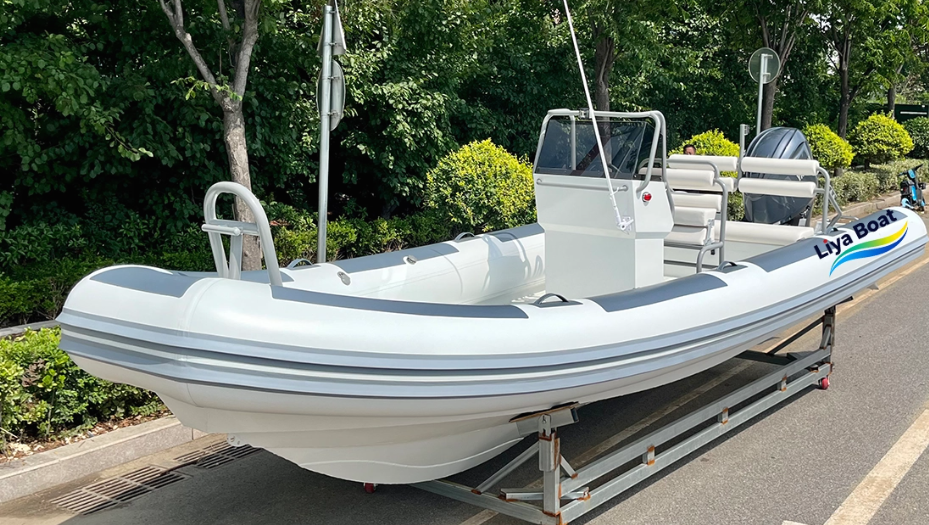
What Buyers Should Verify Before Choosing a Dual-Purpose Aluminum RIB
Selecting a vessel requires more than comparing photographs and specifications. Buyers must confirm whether its configuration suits their operating requirements. This becomes particularly important when the boat serves multiple roles. A practical evaluation should cover loading, performance, storage, and compliance.
First, establish the most demanding expected operation. Consider the maximum normal passenger load and required equipment. Next, review the actual deck arrangement. Confirm that passengers can board safely under realistic loading conditions. For mothership operations, lifting compatibility deserves special attention. Check the complete lifting weight, including installed equipment and relevant onboard loads. The vessel must also fit available storage dimensions.
Commercial buyers should verify applicable operating approvals. Passenger transport and specialized services may require additional certification. A general design category does not automatically authorize commercial operation. Requirements vary according to jurisdiction and intended service. Maintenance arrangements should also influence the purchase decision. Inflatable tubes, aluminum structures, engines, and electrical systems all require attention.
Pre-Purchase Verification Checklist
Item | What to Confirm |
Passenger capacity | Approved passenger limit and loading conditions |
Maximum payload | Permitted total load and weight distribution |
Deck layout | Clear access, seating, and equipment storage |
Engine configuration | Approved power, weight, and shaft requirements |
Fuel capacity | Practical range under expected conditions |
Lifting arrangements | Complete lifting weight and approved lifting points |
Certification | Required documents for the intended operating region |
Accessories | Standard equipment and optional additions |
A detailed specification review reduces purchasing mistakes. Buyers should also request configuration-specific drawings and verified performance information.
Explore Our 7m Aluminum Hull RIB Yacht Tender
For buyers comparing a 14-person aluminum tender, the next step is straightforward. Explore our 7m Aluminum Hull RIB Yacht Tender and contact our team to discuss your preferred layout, engine configuration, and operating requirements. We can help you evaluate suitable options for passenger transfers, marina support, and other marine applications.
Conclusion
A 14-person Aluminum RIB can serve as both a superyacht tender and a practical workboat. Its versatility depends on thoughtful design, safe boarding, balanced loading, and reliable handling. Guest transfers require comfortable seating and easy access. Commercial operations demand durable construction, secure equipment storage, and functional deck space. Choosing the right configuration helps operators handle different tasks efficiently. Liya Boat offers a 7-meter Aluminum RIB designed for flexible marine applications. Its aluminum hull, inflatable tubes, and customizable equipment support diverse operating needs. We help customers select suitable configurations for comfortable passenger transfers and dependable daily operations.
FAQ
Q: Can an Aluminum RIB Be Used as Both a Yacht Tender and a Workboat?
A: Yes. A 14-person Aluminum RIB can transport yacht guests, crew, and equipment. Its versatility depends on deck layout, load capacity, and suitable equipment for each operation.
Q: Can a 7-Meter Aluminum RIB Carry 14 Passengers and Cargo?
A: A 7-meter Aluminum RIB may accommodate 14 people, depending on its approved capacity. However, passengers and cargo must remain within the vessel's total loading and weight distribution limits.
Q: What Engine Power Is Suitable for a 14-Person Aluminum RIB?
A: Engine selection depends on passenger loads and operating conditions. Liya's 7-meter model recommends 150 HP, with a maximum rating of 200 HP. Always confirm engine compatibility before installation.
Q: How Can Operators Improve Aluminum RIB Performance Under Heavy Loads?
A: Distribute passengers and equipment evenly, secure loose cargo, and adjust cruising speed. Proper propeller selection and regular engine maintenance also help maintain reliable handling under changing loads.

Welcome To Contact Us

-
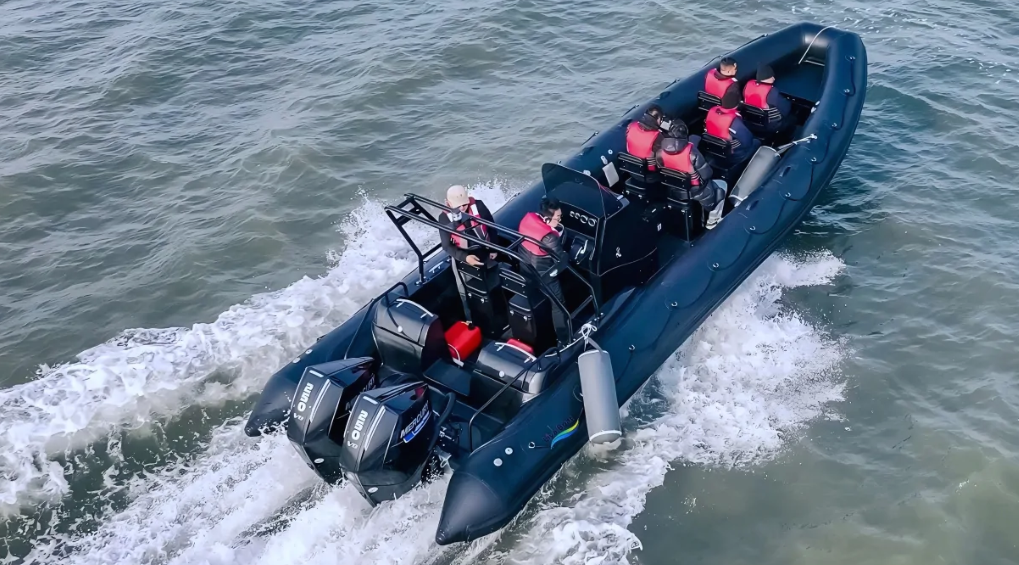 A distress call comes in from offshore. Strong waves and limited visibility make every minute critical. The rescue crew needs a boat that can respond quickly and operate safely. An 8.3m Patrol RIB combines responsive handling, a deep-V hull, and flexible crew arrangements. Yet speed alone cannot guarantee a successful mission. Stability, onboard equipment, and crew coordination matter just as much. For coastal patrols and emergency response teams, these details shape real operational performance. The following sections explore how hull design, maneuverability, seating, and propulsion support rapid response. They also explain what operators should consider before choosing a patrol vessel.
-
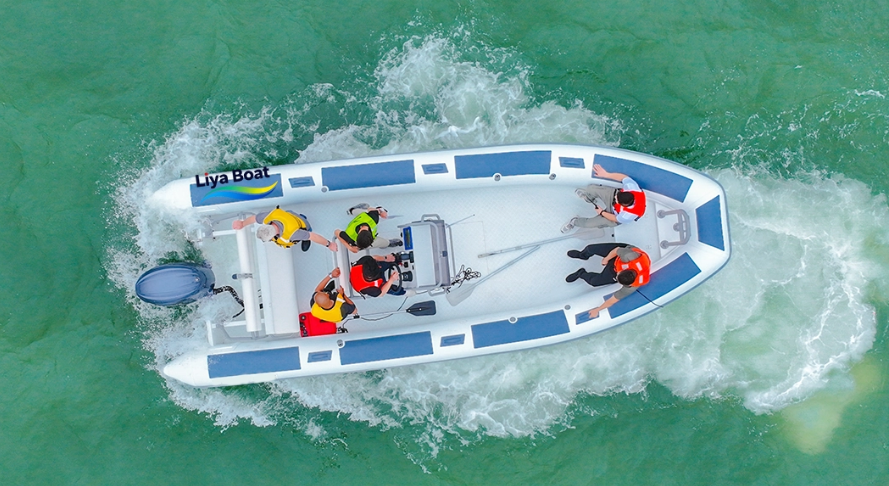 A boat carrying superyacht guests today might transport tools and crew tomorrow. Can one vessel handle both jobs? A 14-person Aluminum RIB combines a marine-grade aluminum hull, inflatable buoyancy tubes, and a practical deck layout. Yet passenger capacity alone cannot guarantee comfortable or efficient operations. Deck access, weight distribution, handling, and payload all influence how the boat performs. These factors become especially important when switching between leisure and commercial duties. So, can a 7-meter Aluminum RIB offer guest comfort without sacrificing workboat practicality? The answer depends on its design and configuration. We'll examine seating arrangements, hull performance, operating applications, engine requirements, and equipment choices.
-
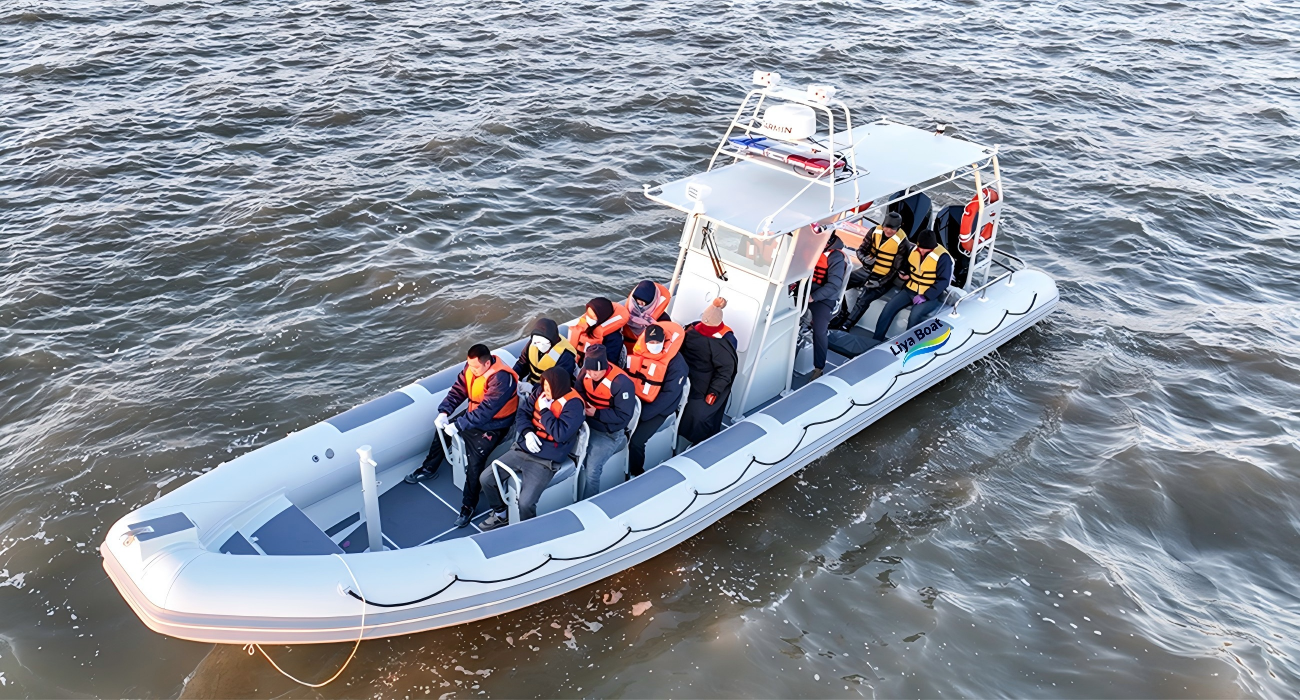 Coastal patrol missions rarely go exactly as planned. Sudden waves, tight response times, and unexpected rescues can challenge even experienced crews. 34ft Aluminum Patrol RIB Boats combine marine-grade aluminum hulls and buoyant collars for demanding operations. Their size, maneuverability, and deck layout help support both routine patrols and emergency responses. But can one vessel handle coastal surveillance and time-critical rescue missions effectively? The answer depends on its handling, equipment, and operational configuration. We’ll examine rough-water performance, rescue access, propulsion options, and crew safety. These factors will help you choose a patrol boat suited to your mission requirements.


