


- Home
- About Liya
- Liya Boats
- Luxury RIB Boats-Fiber Hull
- 8.3m/27Ft Cabin RIB Boat
- 8m/26Ft Sport Fiber RIB Boat
- New 7.5m/25Ft luxury Italy style RIB Boat
- Classic 7.5m/25Ft Rigid Inflatable Boat
- New 6.6m/22Ft Sport RIB Boat
- Classic 6.6m/22Ft Inflatable RIB Boat
- 6.2m/20Ft RIB Fishing Boat
- 5.8m/19Ft Fiberglass hull RIB
- 5.2m/17Ft RIB Boat
- 4.3m/14Ft Yacht Tender RIB Dinghy
- 4.3m/14Ft Center Console RIB Boat
- 3.8m/12.5Ft High Speed RIB Tender
- 3.3m/11Ft RIB Dinghy
- 8.3m/27Ft Cabin RIB Boat
- Open Deck RIBs-Fiber Hull
- Aluminum Hull RIB Boats
- 8-10M Aluminum Patrol RIB
- 7m/23Ft Aluminum RIB Yacht Tender
- 6.6m/22Ft Rigid Aluminum Hull RIB Boat
- 6.2m/20Ft Aluminum RIB Boat with Motor
- 5.8m/19Ft Aluminum Hull RIB Tender Boat
- 5.8-7.5M Transportation RIB
- 5.2m/17Ft Aluminum RIB Center Console Boat
- 4.3m/14Ft Aluminum RIB Dinghy For Sale
- 2.4-5.2m/8-17Ft Aluminum RIB Dinghy
- 8-10M Aluminum Patrol RIB
- Work RHIB-Rescue & Patrol RIBs
- 27Ft Aluminum Patrol Boat Polyurea-EVA Collar Deep-V Hull
- 9-10m/29-34Ft Aluminum Patrol RIB Boat
- Professional 8.3m Heavy-Duty Patrol RIB Boat|Fast-Response,12-Person,CE Certified
- 7.9m/26Ft RHIB for Patrol
- 6.6m/22Ft Black RIB Boat
- 5.8-7.5m/19-25ft Heavy Duty RIB Patrol & Work Boat
- 5.8-7.5m/19-25Ft Aluminum RIB Work Boat
- 27Ft Aluminum Patrol Boat Polyurea-EVA Collar Deep-V Hull
- Fiberglass Boats/Fishing Boats
- 7.6m/25Ft Fiberglass Panga Boat for Fishing
- Liya 45ft Fiberglass Cabin Fishing Boat Passenger Tour Vessel
- 9.18m/30Ft Fiberglass Cabin Fishing Boat
- 6.6m/22Ft Fiberglass Panga Skiff Boat
- 6m/20Ft Center Console Fishing Boat
- 5.8m/19Ft Center Console Panga Fishing Boat
- 5m/16.5Ft Economical Fiberglass Boat
- 7.6m/25Ft Fiberglass Panga Boat for Fishing
- Ferry & Transportation Boats
- Fully Inflatable Boats
- Luxury RIB Boats-Fiber Hull
- Application
- Hot Sale
- News
- Feature & Service
- Work RHIBs
- Contact Liya


Inquire
A distress call comes in from offshore. Strong waves and limited visibility make every minute critical. The rescue crew needs a boat that can respond quickly and operate safely. An 8.3m Patrol RIB combines responsive handling, a deep-V hull, and flexible crew arrangements. Yet speed alone cannot guarantee a successful mission. Stability, onboard equipment, and crew coordination matter just as much. For coastal patrols and emergency response teams, these details shape real operational performance. The following sections explore how hull design, maneuverability, seating, and propulsion support rapid response. They also explain what operators should consider before choosing a patrol vessel.
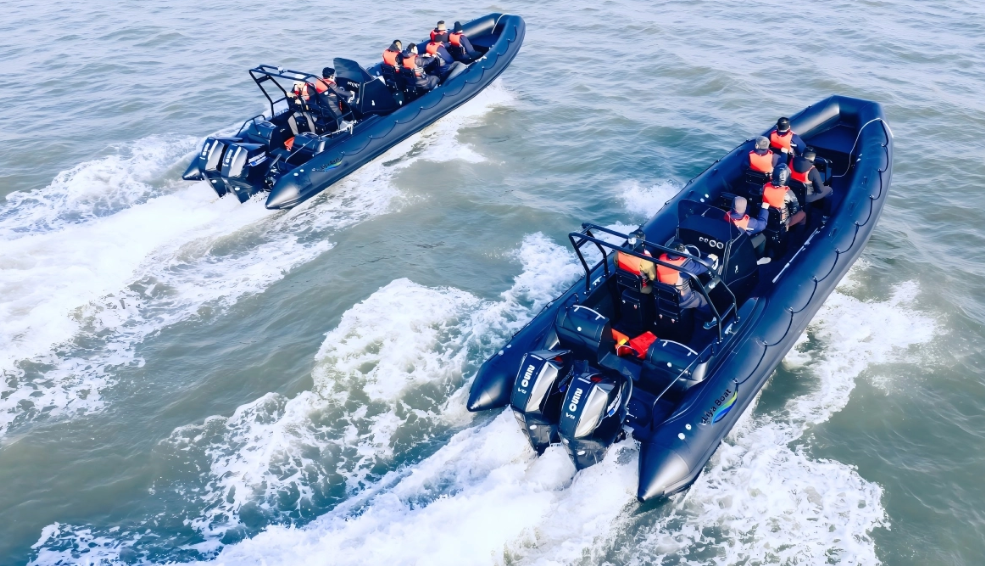
How an 8.3m Patrol RIB Reduces Response Time in Maritime Emergencies
Fast response begins before a patrol boat reaches full speed. Crews must launch efficiently, accelerate smoothly, and maintain control throughout the journey. An 8.3m Patrol RIB supports these requirements through responsive propulsion and a hull designed for demanding marine operations.
Rapid Acceleration and Efficient Transit to an Incident
A patrol boat needs enough power to accelerate under operational loads. However, horsepower alone does not determine how quickly it reaches an incident. Hull geometry, engine selection, and weight distribution also affect its performance. A deep-V hull cuts through waves rather than riding flat across them. This design can reduce harsh impacts when crossing moderate coastal chop. Some patrol RIBs also use stepped hulls to reduce wetted surface resistance during planing. Their effectiveness depends on speed, loading, and hull setup.
Consider a rescue crew responding several miles offshore. The vessel carries personnel, medical equipment, and sufficient fuel for its return. Maintaining a controlled cruising speed becomes more valuable than reaching maximum speed briefly. Operators should evaluate loaded performance under realistic sea conditions. They need predictable acceleration, efficient cruising, and dependable handling throughout the mission.
Maneuverability During Close-Range Emergency Operations
Reaching an emergency quickly solves only part of the problem. Crews must still approach distressed vessels and people safely. A responsive patrol boat allows operators to adjust speed and direction near obstacles. Its steering characteristics become especially important inside crowded harbors or narrow waterways. Smooth deceleration also helps crews transition from high-speed travel to controlled positioning.
For example, approaching a damaged fishing vessel requires careful judgment. Excessive speed could create dangerous wake or complicate boarding. The operator must maintain a safe distance while coordinating assistance. An effective response boat therefore needs two different capabilities. It must travel efficiently across open water and maneuver precisely near incidents.
How Hull Design and Buoyancy Support Safe Operations in Rough Water
Coastal emergencies rarely happen under ideal operating conditions. Wind, waves, and shifting loads can challenge even experienced crews. The hull and inflatable collars play important roles in maintaining predictable handling.
Deep-V Hull Performance in Waves and Coastal Chop
Deep-V hulls use a pronounced angle along their underwater surfaces. This geometry helps the bow enter waves more gradually. It can reduce pounding compared with flatter hull designs at suitable speeds.
The 22-degree deep-V configuration of a professional patrol RIB provides a useful example. Its relatively pronounced hull angle supports wave-cutting performance during coastal operations. An integrated step can also help reduce drag during suitable planing conditions. Still, no hull design eliminates rough-water hazards. Crews must adjust speed, trim, and direction as conditions change.
Inflatable Collars, Buoyancy, and Structural Durability
Inflatable collars distinguish rigid inflatable boats from conventional rigid-hull vessels. These tubes provide additional buoyancy and can help stabilize the craft. They also cushion minor contact during controlled alongside operations. Multiple independent air chambers offer another practical advantage. Damage to one chamber does not automatically deflate the entire collar. However, crews must still assess the damage and return safely.
Material durability matters during frequent professional use. Saltwater, ultraviolet exposure, and repeated contact gradually affect inflatable components. Suitable tube fabrics and regular inspection help manage these conditions. Hull construction deserves equal attention. Reinforced fiberglass structures can provide useful strength without excessive weight. Waterproof deck cores also reduce concerns associated with moisture damage. For emergency operators, durability means fewer avoidable interruptions between missions. Regular maintenance remains essential, regardless of construction quality.
Where an 8.3m Patrol RIB Fits into Critical Maritime Missions
A patrol vessel becomes valuable when its configuration matches real operational needs. Different assignments demand different equipment, crew arrangements, and handling characteristics. An 8.3m Patrol RIB can support several mission types when properly equipped.
Coastal Patrol and Maritime Security Response
Coastal patrol crews often cover large areas under changing conditions. Their assignments may include monitoring restricted waters and investigating suspicious activity. They also assist vessels experiencing mechanical problems or navigation difficulties. These operations require efficient travel and reliable situational awareness. Operators need clear sightlines and dependable communication systems. Crew members must also move safely when preparing equipment or assisting another vessel.
A rigid inflatable boat can approach larger vessels under controlled conditions. Its inflatable collars provide cushioning during careful alongside contact. However, boarding activities still require suitable equipment and trained personnel. Harbor patrols also involve frequent changes in speed. Operators may travel across open water before entering crowded waterways. Predictable low-speed handling becomes important near docks, fishing boats, and floating obstacles.
Search and Rescue and Emergency Personnel Transport
Search and rescue operations place additional demands on crew coordination. Rescuers must locate casualties, assess conditions, and choose a safe approach. Imagine a small recreational boat reporting engine failure offshore. A response team travels to the reported position and evaluates the situation. They may need to transfer personnel or provide immediate assistance.
The boat's deck arrangement can directly influence these activities. Clear working areas allow rescuers to prepare equipment without unnecessary obstruction. Secure handholds help personnel maintain balance during movement. Recovery equipment requires careful placement. A rescue ladder or approved recovery system may simplify boarding. However, recovering an injured person could require specialized lifting equipment. Personnel transport creates different priorities. More seats may be useful when moving response teams between locations. Rescue operations may instead benefit from additional working space. The correct arrangement depends on the assignment rather than maximum advertised capacity.
Mission Type | Main Operational Priority | Important Vessel Features |
Coastal patrol | Observation and responsive movement | Visibility, communication, maneuverability |
Search and rescue | Safe approach and casualty assistance | Working space, recovery access, stability |
Personnel transport | Safe movement of response teams | Secure seating, payload distribution |
Harbor emergency response | Controlled movement near obstacles | Low-speed handling, reliable steering |
These requirements should guide configuration decisions before purchasing a patrol vessel.
How Crew Layout and Onboard Equipment Improve Response Efficiency
A fast vessel cannot perform effectively when its crew struggles to work onboard. Seating arrangements, equipment positions, and accessible controls all influence operational efficiency. They also affect fatigue during repeated or extended assignments.
Crew Seating, Shock Protection, and Working Space
Patrol crews experience repeated impacts when traveling across uneven water. Over time, these movements can increase physical fatigue. Appropriate seating helps reduce exposure during demanding journeys. Shock-mitigating seats absorb part of the impact energy transferred through the hull. Jockey seats provide supportive riding positions during active operations. Bench seating may accommodate additional passengers when mission requirements allow.
However, installing more seats reduces available deck space. Operators must balance personnel capacity against equipment access and movement. For example, a patrol team transporting several officers needs secure seating positions. A rescue team might prioritize an open area for assisting casualties. Neither arrangement automatically suits every assignment.
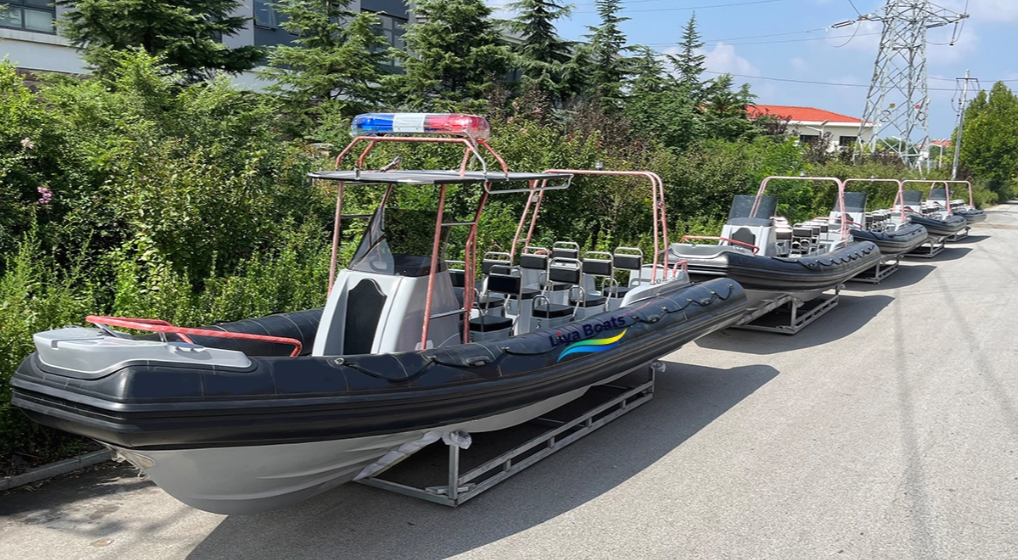
At Liya, we offer our 8.3m Heavy-Duty Patrol RIB with configurable seating arrangements for 6–12 personnel. We provide shock-absorbing seats, jockey seats, and alternative console layouts. These options help operators match onboard space to specific mission requirements.
Navigation, Communication, and Mission-Specific Equipment
A well-organized control station helps operators make decisions without unnecessary distractions. Navigation displays, engine instruments, and radios should remain easy to reach. Clear sightlines also help crews monitor surrounding traffic. Emergency equipment needs equally careful planning. Searchlights improve visibility during nighttime operations. Warning beacons help identify response vessels where their use is appropriate.
Rescue ladders and recovery equipment require suitable mounting positions. Their placement should not interfere with seating or routine movement. Storage compartments must keep essential gear secure during rough-water travel. Additional equipment can improve capability, but it also adds weight. Every installation should serve a clear operational purpose.
Engine Configuration, Fuel Capacity, and Operational Endurance
Engine selection affects more than a patrol boat's maximum speed. It also influences maintenance needs, payload distribution, and response reliability. Operators should assess propulsion alongside their expected mission distances.
Single vs. Twin Outboard Engines for Patrol Operations
Single-outboard configurations offer a relatively straightforward propulsion arrangement. They generally involve fewer major components and simpler routine servicing. Their suitability depends on vessel weight and operating requirements. Twin-outboard installations provide a different set of advantages. Separate engines may offer limited propulsion redundancy after certain failures. They can also influence low-speed maneuvering and weight distribution.
However, twin engines increase equipment complexity and maintenance requirements. They do not protect against every mechanical or fuel-system problem. Engine power must also match approved installation limits. Excessive horsepower or unsuitable engine weight can affect handling characteristics. Operators should verify the final configuration before commissioning the vessel. A properly matched propulsion system provides a better operational foundation than unnecessary power.
Planning Fuel Reserves and Mission Range
Fuel capacity does not directly indicate how far a patrol boat can travel. Consumption changes according to speed, payload, engine configuration, and sea conditions. Strong headwinds and rough water may increase fuel demand. Extended searching or low-speed maneuvering also influences overall consumption. Therefore, operators should calculate range using realistic operating conditions.
A practical fuel plan must account for several requirements:
Outbound travel to the incident location.
Expected fuel consumption during active operations.
Return travel to a suitable harbor.
Additional reserves for unexpected delays or route changes.
At Liya, our 8.3m Patrol RIB features a standard 410-liter fuel tank. We offer single- and twin-outboard configurations for different operational requirements. Final power selection and expected range should be confirmed against the chosen setup. A sea trial under representative loading provides more useful information than estimates alone. It helps establish practical cruising performance and fuel consumption.
What Operators Should Verify Before Deploying an 8.3m Patrol RIB
Even a carefully configured patrol vessel requires consistent preparation. Equipment failures and poor planning can delay urgent maritime responses. Crews need clear procedures before every departure.
Pre-Deployment Checks That Prevent Avoidable Delays
Routine inspections help identify problems before they become operational failures. They also ensure essential rescue and navigation equipment remains available. Before departure, crews should complete a structured readiness check.
Pre-Deployment Readiness Checklist
Hull and tubes: Inspect visible damage, seams, and inflation pressure.
Engines: Check fluid levels, cooling systems, and visible leaks.
Fuel: Confirm sufficient capacity for the planned mission and reserves.
Steering: Verify smooth movement and correct control response.
Electrical equipment: Test batteries, navigation lights, and essential instruments.
Communication: Confirm radio operation and relevant emergency channels.
Safety equipment: Inspect flotation devices and required emergency supplies.
Mission equipment: Secure rescue gear and remove unnecessary obstructions.
Crew readiness: Confirm assignments, weather conditions, and emergency procedures.
These checks should follow the vessel's operating manual and applicable regulations. Operators must also maintain records of inspections and necessary repairs. Regular drills are equally important. Crew members should practice casualty recovery and engine-failure procedures. Familiarity reduces confusion when rapid decisions become necessary.
Matching Vessel Capability to Actual Mission Demands
Selecting a patrol RIB begins with understanding how it will operate. A harbor response team has different requirements from an offshore rescue unit. Operating distance is one important consideration. Long coastal patrols require careful fuel and endurance planning. Frequent harbor movements may place greater emphasis on low-speed control.
Crew numbers also affect vessel selection. Every additional passenger changes the loading arrangement and available working space. Heavy rescue equipment creates further demands on payload capacity. Buyers should therefore evaluate several practical factors:
Operating environment: Expected sea conditions, water depth, and coastal exposure.
Mission frequency: Daily patrols, occasional emergencies, or extended deployments.
Personnel requirements: Crew numbers, seating needs, and working space.
Equipment needs: Navigation systems, rescue equipment, and secure storage.
Maintenance access: Engine servicing, tube inspection, and replacement components.
Compliance: Certification documents, approved loading limits, and local operating rules.
Sea trials offer another valuable opportunity. Teams can assess acceleration, turning response, seating comfort, and equipment accessibility. Testing should reflect realistic loads rather than an empty demonstration vessel. Certification also requires careful interpretation. A vessel's design category does not guarantee safe operation under every condition. Operators must respect documented limits and exercise professional judgment. The strongest purchasing decisions combine technical specifications and practical testing. This approach helps prevent costly configuration mistakes.
Conclusion
An 8.3m Patrol RIB supports rapid maritime response through responsive handling, a deep-V hull, and practical crew arrangements. Its reliable performance helps teams reach emergencies safely and maintain control during demanding operations. Choosing the right patrol boat requires careful consideration of sea conditions, crew capacity, propulsion, and mission equipment. The best vessel balances speed, safety, and endurance rather than focusing on maximum power alone. Liya Boat offers an 8.3m Heavy-Duty Patrol RIB featuring flexible seating, durable construction, and configurable propulsion options. We help maritime operators select suitable configurations for coastal patrols, rescue missions, and emergency response operations.
FAQ
Q: What makes an 8.3m Patrol RIB suitable for rapid maritime response?
A: An 8.3m Patrol RIB combines a deep-V hull, responsive maneuverability, and flexible crew seating. These features support rapid deployment, safe navigation, and effective emergency operations in coastal waters.
Q: Can an 8.3m Patrol RIB operate safely in rough seas?
A: An 8.3m Patrol RIB uses a deep-V hull and inflatable collars to improve wave handling and buoyancy. Safe operation still depends on sea conditions, loading, and crew experience.
Q: How many people can an 8.3m Patrol RIB carry during rescue missions?
A: The 8.3m Patrol RIB accommodates 6–12 personnel, depending on seating arrangements. Actual rescue capacity depends on equipment weight, available deck space, and the vessel's approved loading limits.
Q: Is a twin-engine patrol RIB better than a single-engine configuration?
A: Twin engines can provide additional propulsion redundancy and maneuvering flexibility. Single engines simplify maintenance and reduce complexity. The best configuration depends on mission distance, operating conditions, and budget.
Q: How far can a patrol RIB travel during emergency operations?
A: Patrol RIB range depends on fuel capacity, engine selection, speed, and sea conditions. A 410-liter fuel tank supports mission planning, but actual range requires testing under realistic loads.

Welcome To Contact Us

-
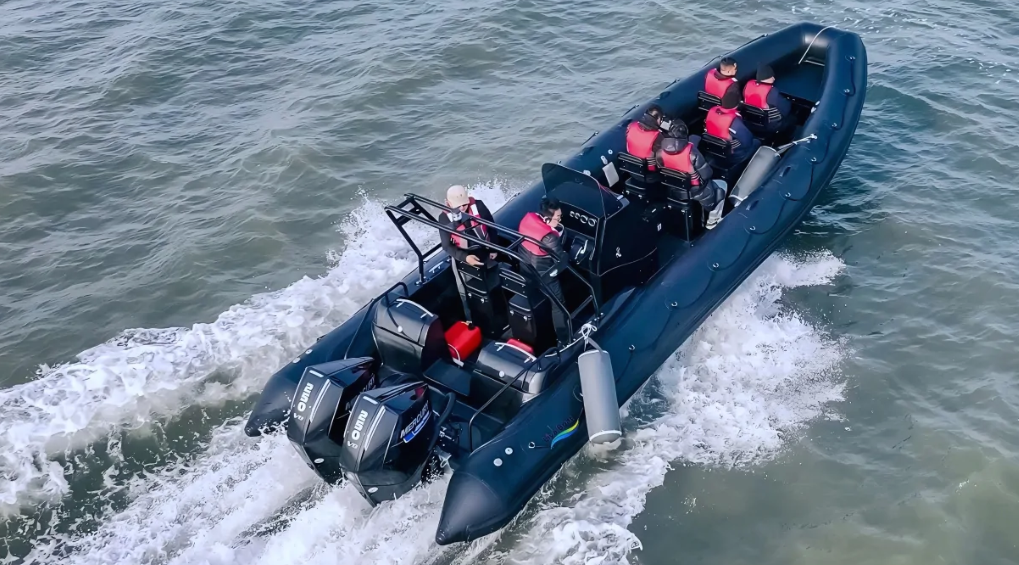 A distress call comes in from offshore. Strong waves and limited visibility make every minute critical. The rescue crew needs a boat that can respond quickly and operate safely. An 8.3m Patrol RIB combines responsive handling, a deep-V hull, and flexible crew arrangements. Yet speed alone cannot guarantee a successful mission. Stability, onboard equipment, and crew coordination matter just as much. For coastal patrols and emergency response teams, these details shape real operational performance. The following sections explore how hull design, maneuverability, seating, and propulsion support rapid response. They also explain what operators should consider before choosing a patrol vessel.
-
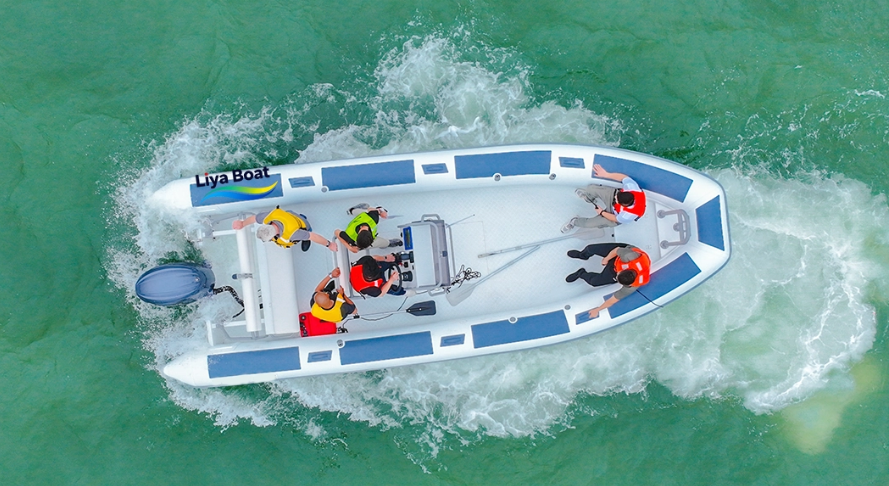 A boat carrying superyacht guests today might transport tools and crew tomorrow. Can one vessel handle both jobs? A 14-person Aluminum RIB combines a marine-grade aluminum hull, inflatable buoyancy tubes, and a practical deck layout. Yet passenger capacity alone cannot guarantee comfortable or efficient operations. Deck access, weight distribution, handling, and payload all influence how the boat performs. These factors become especially important when switching between leisure and commercial duties. So, can a 7-meter Aluminum RIB offer guest comfort without sacrificing workboat practicality? The answer depends on its design and configuration. We'll examine seating arrangements, hull performance, operating applications, engine requirements, and equipment choices.
-
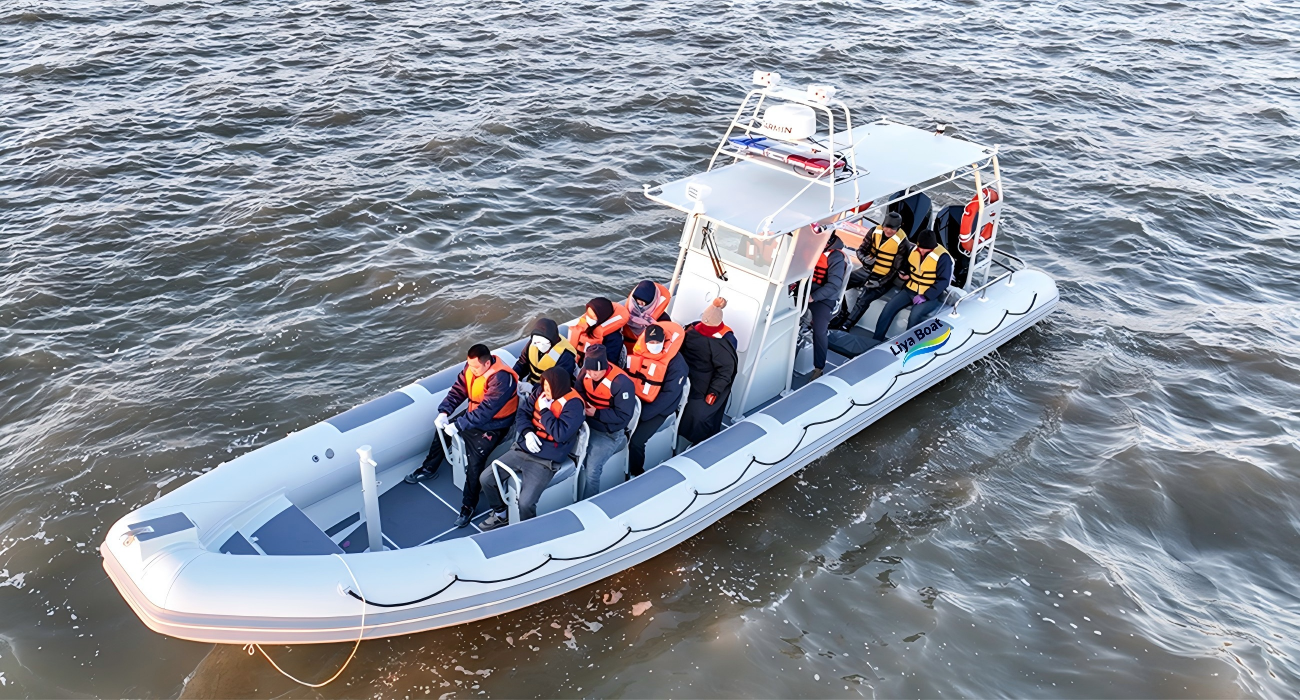 Coastal patrol missions rarely go exactly as planned. Sudden waves, tight response times, and unexpected rescues can challenge even experienced crews. 34ft Aluminum Patrol RIB Boats combine marine-grade aluminum hulls and buoyant collars for demanding operations. Their size, maneuverability, and deck layout help support both routine patrols and emergency responses. But can one vessel handle coastal surveillance and time-critical rescue missions effectively? The answer depends on its handling, equipment, and operational configuration. We’ll examine rough-water performance, rescue access, propulsion options, and crew safety. These factors will help you choose a patrol boat suited to your mission requirements.


