


- Home
- About Liya
- Liya Boats
- Luxury RIB Boats-Fiber Hull
- 8.3m/27Ft Cabin RIB Boat
- 8m/26Ft Sport Fiber RIB Boat
- New 7.5m/25Ft luxury Italy style RIB Boat
- Classic 7.5m/25Ft Rigid Inflatable Boat
- New 6.6m/22Ft Sport RIB Boat
- Classic 6.6m/22Ft Inflatable RIB Boat
- 6.2m/20Ft RIB Fishing Boat
- 5.8m/19Ft Fiberglass hull RIB
- 5.2m/17Ft RIB Boat
- 4.3m/14Ft Yacht Tender RIB Dinghy
- 4.3m/14Ft Center Console RIB Boat
- 3.8m/12.5Ft High Speed RIB Tender
- 3.3m/11Ft RIB Dinghy
- 8.3m/27Ft Cabin RIB Boat
- Open Deck RIBs-Fiber Hull
- Aluminum Hull RIB Boats
- 8-10M Aluminum Patrol RIB
- 7m/23Ft Aluminum RIB Yacht Tender
- 6.6m/22Ft Rigid Aluminum Hull RIB Boat
- 6.2m/20Ft Aluminum RIB Boat with Motor
- 5.8m/19Ft Aluminum Hull RIB Tender Boat
- 5.8-7.5M Transportation RIB
- 5.2m/17Ft Aluminum RIB Center Console Boat
- 4.3m/14Ft Aluminum RIB Dinghy For Sale
- 2.4-5.2m/8-17Ft Aluminum RIB Dinghy
- 8-10M Aluminum Patrol RIB
- Work RHIB-Rescue & Patrol RIBs
- 27Ft Aluminum Patrol Boat Polyurea-EVA Collar Deep-V Hull
- 9-10m/29-34Ft Aluminum Patrol RIB Boat
- Professional 8.3m Heavy-Duty Patrol RIB Boat|Fast-Response,12-Person,CE Certified
- 7.9m/26Ft RHIB for Patrol
- 6.6m/22Ft Black RIB Boat
- 5.8-7.5m/19-25ft Heavy Duty RIB Patrol & Work Boat
- 5.8-7.5m/19-25Ft Aluminum RIB Work Boat
- 27Ft Aluminum Patrol Boat Polyurea-EVA Collar Deep-V Hull
- Fiberglass Boats/Fishing Boats
- 7.6m/25Ft Fiberglass Panga Boat for Fishing
- Liya 45ft Fiberglass Cabin Fishing Boat Passenger Tour Vessel
- 9.18m/30Ft Fiberglass Cabin Fishing Boat
- 6.6m/22Ft Fiberglass Panga Skiff Boat
- 6m/20Ft Center Console Fishing Boat
- 5.8m/19Ft Center Console Panga Fishing Boat
- 5m/16.5Ft Economical Fiberglass Boat
- 7.6m/25Ft Fiberglass Panga Boat for Fishing
- Ferry & Transportation Boats
- Fully Inflatable Boats
- Luxury RIB Boats-Fiber Hull
- Application
- Hot Sale
- News
- Feature & Service
- Work RHIBs
- Contact Liya


Inquire
Coastal patrol missions rarely go exactly as planned. Sudden waves, tight response times, and unexpected rescues can challenge even experienced crews. 34ft Aluminum Patrol RIB Boats combine marine-grade aluminum hulls and buoyant collars for demanding operations. Their size, maneuverability, and deck layout help support both routine patrols and emergency responses. But can one vessel handle coastal surveillance and time-critical rescue missions effectively? The answer depends on its handling, equipment, and operational configuration. We’ll examine rough-water performance, rescue access, propulsion options, and crew safety. These factors will help you choose a patrol boat suited to your mission requirements.

Where Do 34ft Aluminum Patrol RIB Boats Fit in Coastal Patrol and Rescue Missions?
A patrol boat must handle routine assignments and unexpected emergencies. The approximately 34ft size provides room for personnel, equipment, and operational controls. It also remains manageable around harbors and coastal infrastructure. For many teams, this balance makes aluminum patrol RIBs worth considering. Their suitability ultimately depends on mission requirements and local operating conditions.
Coastal Surveillance, Maritime Interception, and Harbor Security
Coastal patrol teams regularly inspect vessels, monitor restricted waters, and enforce maritime regulations. These duties require responsive handling and dependable communication between crew members. During vessel inspections, operators may need to approach another boat carefully. They must maintain control while accounting for wind, waves, and nearby traffic. Good visibility and predictable low-speed handling become especially important during these maneuvers.
Harbor security presents another challenge because operating areas can become crowded. Larger patrol vessels may struggle around narrow approaches and busy docking areas. A properly configured 34ft RIB offers a useful alternative for these assignments. Responsive handling supports controlled approaches and changes in direction, while clear visibility helps operators identify nearby obstacles. Secure seating protects personnel during acceleration, and reliable communication maintains coordination between patrol boats and shore facilities.
Search and Rescue, Casualty Recovery, and Emergency Response
Search and rescue missions place different demands on a patrol boat. Crews may need to recover people from water or assist disabled vessels. These situations require careful positioning rather than simply reaching maximum speed. A rescue team approaching a person overboard needs accessible recovery points. Crew members also require enough space to handle equipment safely. Poor seating arrangements can restrict movement during critical moments.
Additional passengers change the vessel's loading conditions and available working space. Operators must consider these changes before conducting recovery operations. A suitable rescue configuration should support controlled approaches, casualty access, and secure transport. It must also provide sufficient room for the necessary rescue equipment.
How Does Aluminum Hull Construction Support Rough-Water Patrol Operations?
Coastal conditions can change rapidly during a patrol assignment. Wind-driven waves, crossing wakes, and uneven loading all influence boat handling. Hull construction therefore plays a major role in operational safety. A well-designed aluminum RIB combines structural strength and appropriate hull geometry. However, materials alone cannot determine its performance in challenging seas.
Deep-V Hull Performance in Coastal Waves and Changing Sea Conditions
A deep-V hull features a pronounced angle beneath the vessel. This shape helps its bow enter waves more progressively. It can also reduce harsh impacts under suitable operating conditions. Deadrise angle influences how a hull moves through rough water. However, greater deadrise does not automatically produce better performance. Vessel weight, speed, balance, and engine selection also affect handling.
For example, heavily loaded patrol boats behave differently from lightly equipped demonstration vessels. Their acceleration and response can change considerably during turning maneuvers. Operators should therefore evaluate acceleration, directional control, ride comfort, and low-speed handling under realistic crew and equipment loads. These observations provide more useful information than advertised maximum speed alone.
Aluminum Hull Durability and Protective Collars During Working Missions
Professional patrol boats frequently operate around docks, floating structures, and other vessels. Their hulls must tolerate demanding use and repeated environmental exposure. Marine-grade aluminum offers strength and corrosion resistance when properly designed and maintained. Its welded construction also allows manufacturers to incorporate structural reinforcements. Still, aluminum requires attention to weld quality and galvanic corrosion prevention. Operators should inspect protective coatings, fasteners, and sacrificial anodes regularly.
Protective collars provide another important feature of rigid inflatable boats. Inflatable collars offer buoyancy and cushioning during controlled alongside operations. Foam collars provide a solid alternative without requiring air-pressure maintenance. At Liya Boat, we offer a 34ft aluminum patrol RIB featuring a 26-degree deep-V hull. We use marine-grade 5052 and 5083 aluminum alloys for its construction. Inflatable and foam collar options support different operating requirements. Buyers should evaluate attachment methods, damage resistance, and replacement needs before selecting one.

What Deck Layout and Safety Features Matter Most During Rescue Operations?
A patrol boat's deck arrangement directly affects crew efficiency. This becomes especially important when teams need to assist passengers or recover casualties. Even a powerful vessel can become difficult to operate when equipment blocks movement. Practical deck planning should therefore begin with the tasks crews perform most frequently.
Rescue Access, Working Deck Space, and Crew Movement
Crew members need clear pathways between the helm and recovery areas. They must move without stepping over unsecured equipment or obstructing colleagues. Boarding ladders and suitable recovery platforms can support rescue operations. However, their positions must suit the selected mission configuration. A crowded seating arrangement may provide adequate transport capacity but limited rescue space. Removing or rearranging seats can create additional working areas.
Consider a patrol crew responding to a disabled recreational boat. They may need to transfer passengers and secure equipment simultaneously. An open working area makes these tasks easier to coordinate. Good deck planning should include accessible recovery positions, non-slip surfaces, and secure handholds. Equipment storage must not obstruct essential movement routes. Safe seating and sufficient casualty assistance space are equally important.
Crew Protection, Visibility, and Onboard Safety Equipment
Patrol personnel may spend several hours operating in uncomfortable conditions. Repeated wave impacts can create fatigue and reduce concentration. Shock-absorbing seating may help reduce impact exposure during high-speed operations. Windshields also provide useful protection around the operating console. Visibility remains essential throughout the mission. Operators need clear views during docking, vessel interception, and casualty recovery. Equipment mounts should not obstruct important sightlines.
Self-draining decks help remove water entering the working area. Navigation lights, dependable communications, and emergency equipment also support safer operations. A well-planned patrol RIB should accommodate the equipment required for its approved operating area. Every installation must remain accessible and securely mounted.
Patrol and Rescue Deck Configuration Checklist
Operational Requirement | Coastal Patrol Priority | Rescue Mission Priority |
Console visibility | Navigation and vessel observation | Controlled casualty approaches |
Seating arrangement | Secure personnel transport | Additional recovery space |
Deck access | Boarding and inspections | Casualty handling and transfer |
Communication equipment | Patrol coordination | Emergency response coordination |
Boarding equipment | Vessel inspections | Recovery from water |
The best configuration depends on how crews divide their operating time. A dedicated rescue boat may prioritize open space over additional seating.
How Should Engine Power, Fuel Capacity, and Operating Range Be Evaluated?
Engine selection affects acceleration, maneuverability, fuel consumption, and maintenance requirements. The most powerful arrangement is not necessarily the most practical. Patrol operators should match propulsion to their regular assignments. Rescue teams must also consider their ability to return safely under changing conditions.
Single vs. Twin Outboard Engines for Patrol and Rescue Duties
Single outboard installations offer simpler engine arrangements and maintenance requirements. They may also reduce initial equipment costs and mechanical complexity. Twin outboards provide additional maneuvering possibilities and potential propulsion redundancy. However, this advantage depends on the independence of supporting systems. Shared fuel contamination or electrical failures can affect both engines. Proper system design remains important regardless of engine quantity.
Engine performance also changes according to vessel loading and sea conditions. A lightly loaded demonstration cannot represent every operational situation. For professional applications, operators should request performance information covering typical patrol loads. Acceleration, cruising efficiency, and handling deserve attention alongside maximum speed.
Fuel Planning and Response Range Under Real Operating Conditions
A large fuel tank does not automatically guarantee extended operational range. Consumption varies according to speed, engine setup, weather, and loading. For example, rough-water travel may require frequent throttle adjustments. These conditions can increase fuel consumption compared with calm-water cruising.
Operators should calculate fuel requirements around the complete mission. The plan must include outward travel, on-scene activity, and return transit. Fuel reserves must also account for delays and unexpected changes. Rescue operations can extend well beyond their original time estimates. A useful range assessment includes cruising consumption under representative loads. Buyers should also compare expected endurance at different operating speeds. Without verified consumption figures, fuel capacity alone cannot establish a dependable patrol radius.
How Can a 34ft Aluminum Patrol RIB Be Configured for Different Maritime Missions?
Different maritime agencies rarely share identical operational requirements. One team may prioritize surveillance, while another focuses on emergency recovery. A flexible RIB platform allows buyers to adjust equipment and working arrangements. These changes should follow actual mission requirements rather than appearance alone.
For coastal law enforcement, suitable arrangements may include secure crew seating and communication mounts. Clear sightlines and practical boarding access also support routine inspections. Search and rescue teams often need more accessible working space. Recovery ladders, equipment storage, and casualty accommodation become important priorities. Harbor security crews may prefer layouts supporting frequent maneuvering and vessel approaches. They also require dependable lighting and navigation equipment.
At Liya Boat, we offer configurable seating and deck arrangements for our 29–34ft aluminum patrol RIB range. Available options include shock-absorbing seats, boarding ladders, T-tops, and equipment mounts. Our standard fuel tank holds 450 liters, with a 600-liter upgrade option. We can help buyers evaluate arrangements suited to their intended missions.
However, additional equipment changes the vessel's total weight and balance. Heavy installations may affect handling and available passenger capacity. Operators should confirm structural support and loading limits before finalizing modifications. This ensures customization serves practical needs without compromising safe operation.
What Should Operators Verify Before Selecting a 34ft Aluminum Patrol RIB Boat?
Selecting a patrol boat requires more than comparing specifications online. Procurement teams need dependable information about actual operating capabilities. A suitable boat should handle the agency's typical missions safely. It must also support maintenance and equipment requirements over time.
Start by documenting the expected operating profile. Include patrol distances, personnel numbers, equipment loads, and anticipated sea conditions. Next, confirm the vessel's approved loading and propulsion limits. Buyers should also review applicable certification and operational documentation. CE design categories can help explain the conditions considered during vessel assessment. However, they do not guarantee safe operation in every situation. Local regulations and professional operating procedures remain essential.
Pre-Purchase Verification Checklist
Verification Item | What Buyers Should Confirm |
Mission suitability | Intended patrol areas and rescue activities |
Loading limits | Approved persons, payload, and equipment weight |
Propulsion | Engine compatibility and loaded performance |
Sea-trial results | Handling, acceleration, and fuel consumption |
Documentation | Applicable certificates and operating limitations |
Service support | Maintenance access, spare parts, and warranty coverage |
Whenever possible, conduct sea trials using realistic personnel and equipment loads. Observe handling during turns, acceleration, and low-speed approaches. Maintenance support deserves equal consideration during procurement. Accessible components and available replacement parts can reduce unnecessary downtime. The final decision should balance initial investment against operational suitability and service requirements.
Conclusion
34ft Aluminum Patrol RIB Boats provide a practical solution for coastal patrol and rescue missions. Their aluminum hulls, protective collars, and flexible deck layouts support demanding maritime operations. Effective performance depends on reliable propulsion, safe working space, and accessible rescue equipment. Patrol-focused layouts may require adjustments to accommodate casualty recovery. Buyers should evaluate vessel performance under realistic sea conditions and full operational loads. Liya Boat offers configurable aluminum patrol RIB boats for different maritime applications. Our deep-V hull design and customizable equipment options help operators meet specific mission requirements. Choosing the right vessel means prioritizing proven performance, crew safety, and long-term reliability over maximum speed alone.
FAQ
Q: What Are 34ft Aluminum Patrol RIB Boats Used For?
A: 34ft Aluminum Patrol RIB Boats support coastal surveillance, harbor security, vessel inspections, and rescue missions. Their durable aluminum hulls and flexible deck layouts accommodate various maritime operations.
Q: Are 34ft Aluminum Patrol RIB Boats Suitable for Rough Seas?
A: 34ft Aluminum Patrol RIB Boats use deep-V hull designs to improve wave handling and ride comfort. Actual performance depends on sea conditions, vessel loading, engine power, and operator experience.
Q: Can 34ft Aluminum Patrol RIB Boats Be Customized for Rescue Operations?
A: 34ft Aluminum Patrol RIB Boats can accommodate rescue ladders, shock-absorbing seats, communication equipment, and adaptable deck layouts. Specific arrangements depend on crew capacity, recovery requirements, and safe loading limits.
Q: Why Choose an Aluminum RIB Boat Over a Fiberglass Patrol Boat?
A: An aluminum patrol RIB offers durable welded construction and practical repair options. Fiberglass alternatives may offer different maintenance advantages. The best choice depends on operating conditions and service requirements.
Q: How Can Operators Improve Fuel Efficiency on a 34ft Patrol RIB Boat?
A: Operators can improve fuel efficiency by maintaining suitable cruising speeds, avoiding unnecessary loads, and servicing engines regularly. Actual fuel consumption depends on propulsion, sea conditions, and vessel configuration.

Welcome To Contact Us

-
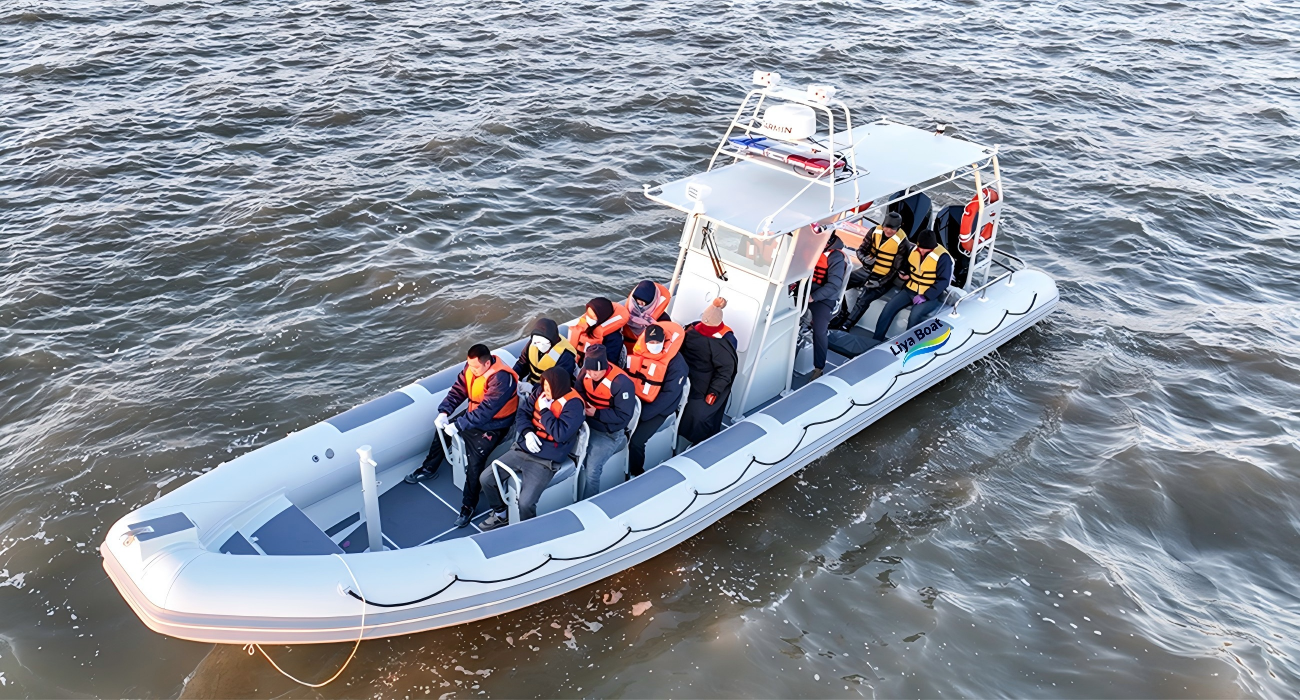 Coastal patrol missions rarely go exactly as planned. Sudden waves, tight response times, and unexpected rescues can challenge even experienced crews. 34ft Aluminum Patrol RIB Boats combine marine-grade aluminum hulls and buoyant collars for demanding operations. Their size, maneuverability, and deck layout help support both routine patrols and emergency responses. But can one vessel handle coastal surveillance and time-critical rescue missions effectively? The answer depends on its handling, equipment, and operational configuration. We’ll examine rough-water performance, rescue access, propulsion options, and crew safety. These factors will help you choose a patrol boat suited to your mission requirements.
-
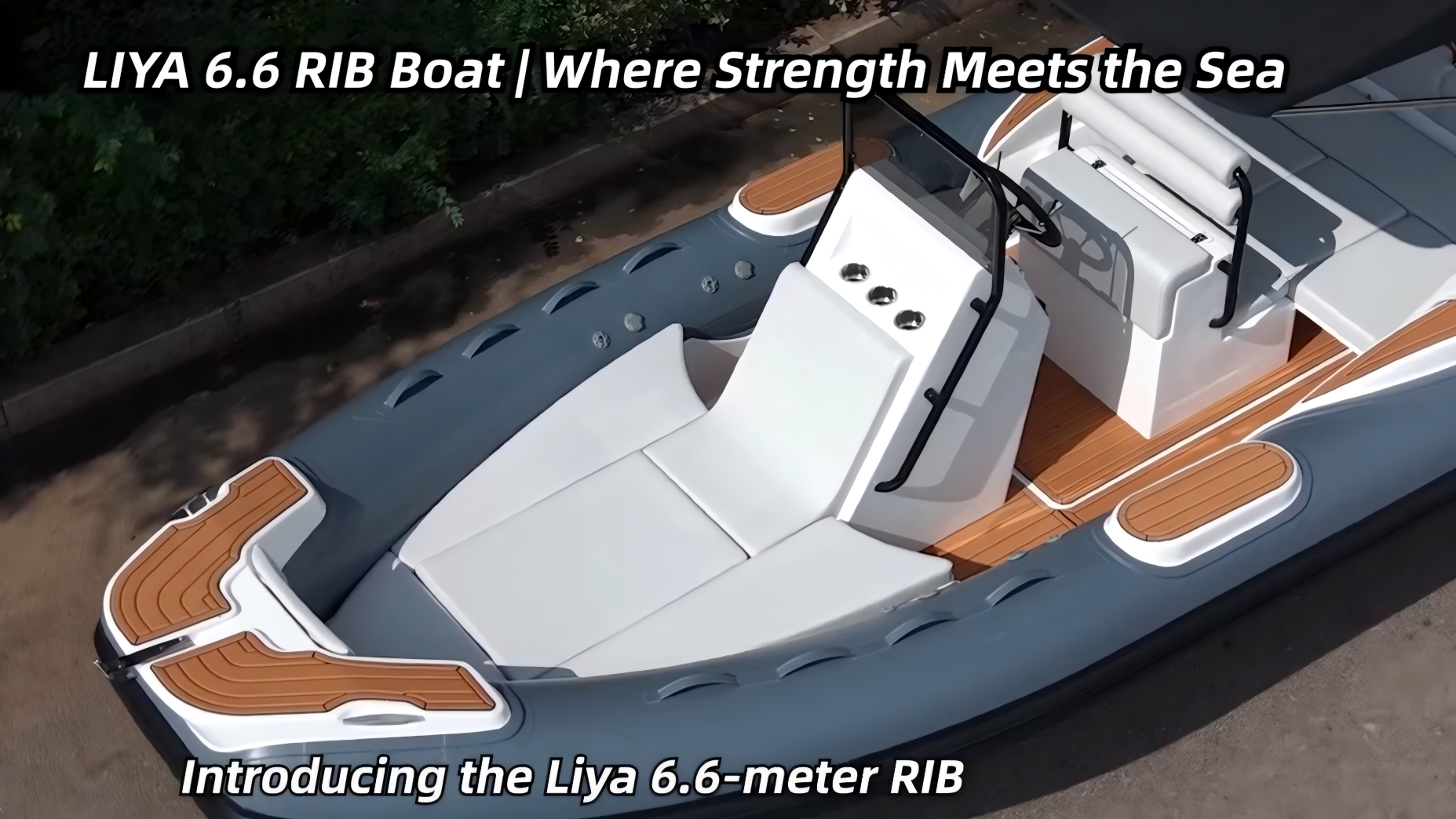 A 22ft rigid inflatable boat can provide much more than a comfortable ride between destinations. With the right deck configuration, the same boat can support family cruising, swimming stops, sunbathing, and relaxed gatherings on the water. The challenge is choosing a layout that accommodates these a
-
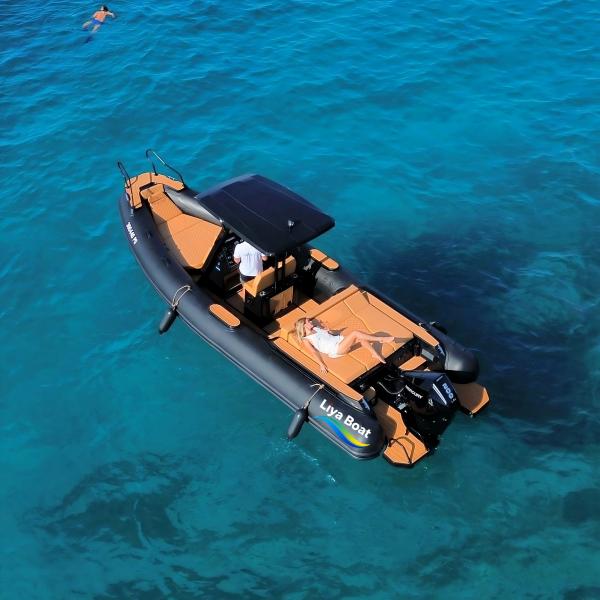 A luxury RIB boat should offer more than attractive upholstery and a powerful engine. For owners who enjoy spending full days on the water, the arrangement of the sunbed, storage compartments, seating, and onboard facilities can make a greater difference than decorative details. A spacious deck shou


