


- Home
- About Liya
- Liya Boats
- Luxury RIB Boats-Fiber Hull
- 8.3m/27Ft Cabin RIB Boat
- 8m/26Ft Sport Fiber RIB Boat
- New 7.5m/25Ft luxury Italy style RIB Boat
- Classic 7.5m/25Ft Rigid Inflatable Boat
- New 6.6m/22Ft Sport RIB Boat
- Classic 6.6m/22Ft Inflatable RIB Boat
- 6.2m/20Ft RIB Fishing Boat
- 5.8m/19Ft Fiberglass hull RIB
- 5.2m/17Ft RIB Boat
- 4.3m/14Ft Yacht Tender RIB Dinghy
- 4.3m/14Ft Center Console RIB Boat
- 3.8m/12.5Ft High Speed RIB Tender
- 3.3m/11Ft RIB Dinghy
- 8.3m/27Ft Cabin RIB Boat
- Open Deck RIBs-Fiber Hull
- Aluminum Hull RIB Boats
- 8-10M Aluminum Patrol RIB
- 7m/23Ft Aluminum RIB Yacht Tender
- 6.6m/22Ft Rigid Aluminum Hull RIB Boat
- 6.2m/20Ft Aluminum RIB Boat with Motor
- 5.8m/19Ft Aluminum Hull RIB Tender Boat
- 5.8-7.5M Transportation RIB
- 5.2m/17Ft Aluminum RIB Center Console Boat
- 4.3m/14Ft Aluminum RIB Dinghy For Sale
- 2.4-5.2m/8-17Ft Aluminum RIB Dinghy
- 8-10M Aluminum Patrol RIB
- Work RHIB-Rescue & Patrol RIBs
- 27Ft Aluminum Patrol Boat Polyurea-EVA Collar Deep-V Hull
- 9-10m/29-34Ft Aluminum Patrol RIB Boat
- Professional 8.3m Heavy-Duty Patrol RIB Boat|Fast-Response,12-Person,CE Certified
- 7.9m/26Ft RHIB for Patrol
- 6.6m/22Ft Black RIB Boat
- 5.8-7.5m/19-25ft Heavy Duty RIB Patrol & Work Boat
- 5.8-7.5m/19-25Ft Aluminum RIB Work Boat
- 27Ft Aluminum Patrol Boat Polyurea-EVA Collar Deep-V Hull
- Fiberglass Boats/Fishing Boats
- 7.6m/25Ft Fiberglass Panga Boat for Fishing
- Liya 45ft Fiberglass Cabin Fishing Boat Passenger Tour Vessel
- 9.18m/30Ft Fiberglass Cabin Fishing Boat
- 6.6m/22Ft Fiberglass Panga Skiff Boat
- 6m/20Ft Center Console Fishing Boat
- 5.8m/19Ft Center Console Panga Fishing Boat
- 5m/16.5Ft Economical Fiberglass Boat
- 7.6m/25Ft Fiberglass Panga Boat for Fishing
- Ferry & Transportation Boats
- Fully Inflatable Boats
- Luxury RIB Boats-Fiber Hull
- Application
- Hot Sale
- News
- Feature & Service
- Work RHIBs
- Contact Liya


Inquire
Aluminum Hull RIB Boats can be highly suitable for saltwater operation when they are built with appropriate marine-grade materials and maintained correctly. Aluminum is widely used for working boats because it offers a strong, impact-tolerant hull without the brittleness associated with some hard-surface materials. However, saltwater compatibility does not mean zero maintenance. Buyers should understand alloy selection, hardware isolation, drainage, sacrificial anodes, electrical installation and post-use cleaning before specifying a saltwater aluminum RIB.
Key Takeaways
Marine-grade aluminum can perform reliably in saltwater with proper corrosion control.
The largest risks are often galvanic corrosion, stray current, trapped moisture and neglected fittings.
Frequent freshwater rinsing and regular anode inspection are practical maintenance basics.
Hypalon tubes and a durable deck layout are relevant for intensive coastal use.
The right saltwater RIB is a complete system, not only an aluminum hull.
Why Aluminum Works Well in Saltwater
Aluminum creates a strong, relatively lightweight hull that is well suited to docks, ramps, beach landings and demanding coastal service. This is why it is common in utility, patrol, rescue and tender applications. A marine-grade aluminum hull can resist ordinary marine exposure effectively when its design and maintenance prevent corrosion cells from developing around fittings and electrical systems.
The Liya aluminum RIB range uses aluminum hulls for applications where abrasion resistance, buoyancy and practical operation matter. For buyers whose routes include shallow shorelines, frequent boarding or working docks, aluminum can be a stronger choice than a surface that is more vulnerable to chipping or cracking under hard contact.
What Causes Problems on an Aluminum Boat?
Salt itself is not the only issue. The most serious risks often occur where aluminum is connected to another metal, where paint or protective surfaces are damaged, or where poorly managed electrical systems introduce stray current.
Galvanic corrosion can occur when dissimilar metals are in electrical contact in an electrolyte such as seawater. This is why hardware choice, insulation, bonding arrangement and sacrificial anodes matter. Stray-current corrosion is another concern and may be caused by electrical faults onboard or nearby in a marina.
Buyers should ask how stainless-steel hardware is isolated, where anodes are fitted, how drainage is arranged and how electrical accessories are installed. Do not add brackets, fittings or aftermarket electronics without considering their relationship to the aluminum structure.
Essential Saltwater Maintenance Routine
A practical routine is straightforward but must be consistent.
Maintenance task | Why it matters |
|---|---|
Rinse with fresh water after saltwater use | Removes salt deposits from the hull, deck, tube and fittings |
Inspect anodes regularly | Helps protect the hull and engine from galvanic corrosion |
Check welds, fasteners and waterline areas | Identifies scratches, coating damage or early corrosion signs |
Keep drainage paths clear | Prevents standing saltwater from remaining against the structure |
Use suitable cleaning products | Avoids chemical damage to aluminum, coatings and tubes |
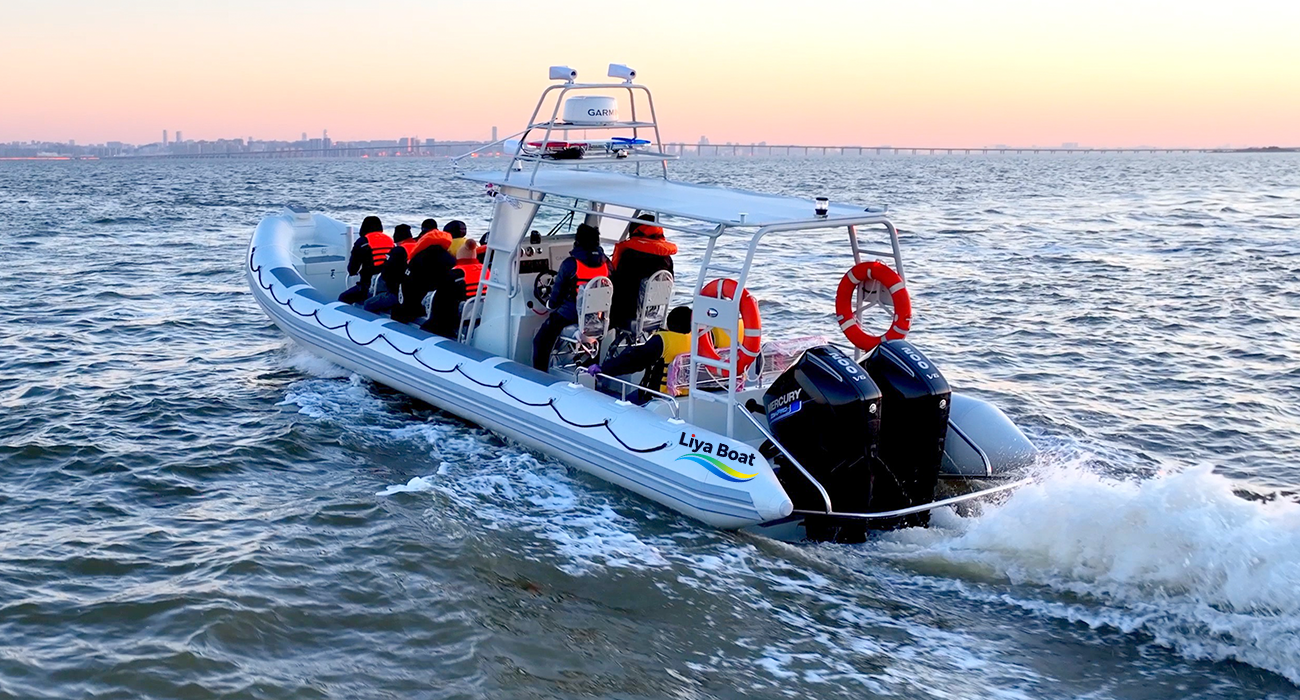
Liya’s 10m Aluminum Patrol RIB Boat provides useful maintenance guidance for a high-use professional RIB, including freshwater rinsing, inspection of the hull and hardware, and attention to sacrificial anodes. These steps are especially important for boats kept in coastal service or operating from marinas.
Saltwater Is About the Whole RIB, Not Only the Hull
An aluminum RIB also depends on its tube system, deck materials, fuel system, engine installation and equipment mounts. For high-use saltwater service, buyers should discuss tube material, UV exposure and cleaning routine. Hypalon is frequently considered for demanding outdoor use, while the final selection should reflect budget, climate and operational frequency.
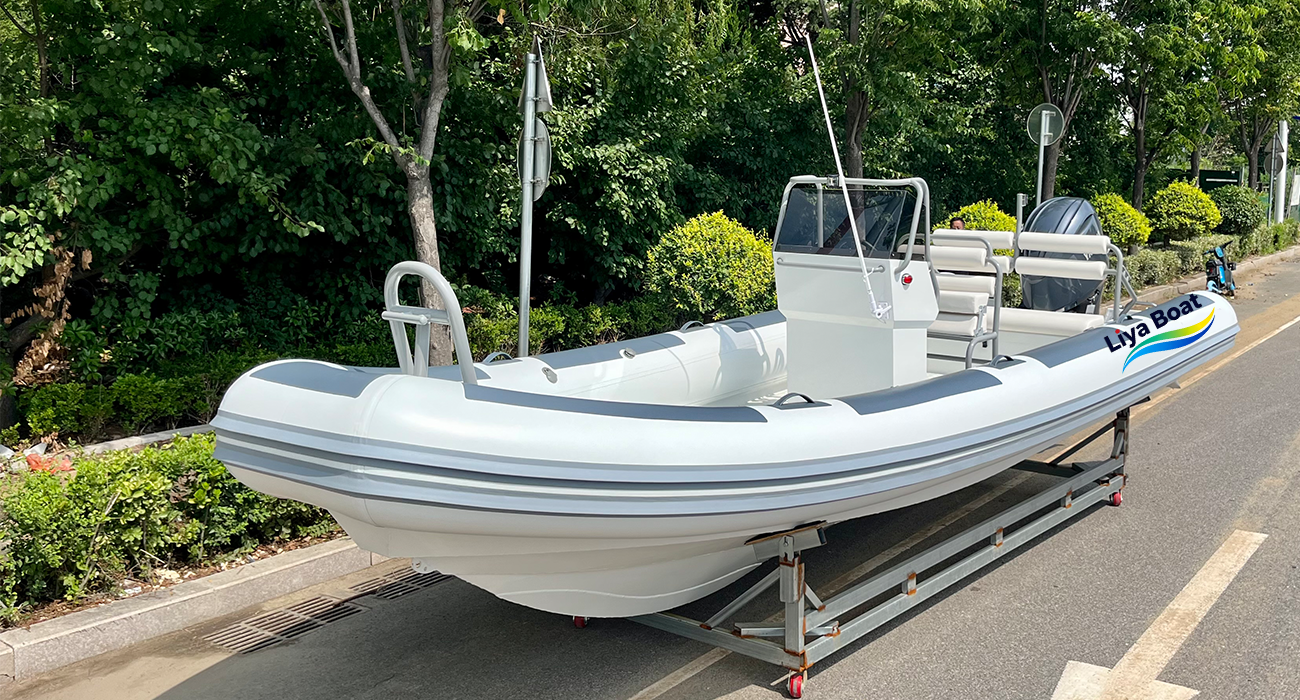
The 7m Aluminum RIB Yacht Tender combines 5052 and 5083 marine-grade aluminum with Hypalon tubes, a practical combination for yacht support, crew transfers and commercial use in marine environments. Its suitability still depends on correct storage, cleaning and equipment maintenance after service.
Selecting a Saltwater Aluminum RIB
A buyer should specify the following before requesting a final quotation:
intended saltwater exposure: occasional coastal use, daily marina work or continuous professional operation;
storage method: trailer, dry stack, davit or water berth;
tube material and protection requirement;
number and type of onboard electrical systems;
engine configuration and anode maintenance plan;
passenger and equipment load;
need for a protective coating or special deck arrangement.
For patrol, rescue and security users, the Work RHIB and Rescue Patrol category offers purpose-oriented models with layouts that can support professional equipment. Buyers requiring a non-standard console, seating, fuel arrangement or equipment mounts can review Liya’s RIB customization capabilities.
Conclusion
Aluminum RIBs are good for saltwater use because they combine rugged hull construction with the stability and buoyancy of inflatable tubes. Their success in saltwater depends on correct material selection, sound fitting practices, electrical control and regular maintenance—not on aluminum alone. For working, patrol, tender and high-frequency coastal use, an appropriately specified aluminum RIB is a practical long-term choice.
FAQs
Do aluminum RIBs corrode in saltwater?
They can corrode if maintenance is poor or if galvanic and stray-current risks are not controlled. Proper alloy selection, anodes, hardware isolation and routine inspection substantially reduce the risk.
Should I rinse an aluminum RIB after every saltwater trip?
Yes. Freshwater rinsing is a sensible routine for the hull, tubes, deck, engine area and exposed hardware.
Are Hypalon tubes better for saltwater?
Hypalon is often selected for demanding outdoor and professional marine use. The right choice also depends on climate, budget and usage frequency.
Can a saltwater aluminum RIB be kept in the water?
It can, but the hull, anodes, underwater hardware and electrical environment need closer inspection. Storage arrangements should be discussed with the manufacturer and marina.
Is aluminum suitable for a saltwater patrol boat?
Yes. Aluminum is widely suitable for patrol and workboat applications when the structure, equipment and corrosion-control details are specified for that duty.

Welcome To Contact Us

-
 Choosing the hull material is one of the main decisions when buying a rigid-hull inflatable boat. Aluminum and fiberglass are both widely used for RHIBs, and both can support patrol, rescue, workboat, tender and recreational applications.The main differences lie in how the hull is made, how it respo
 -
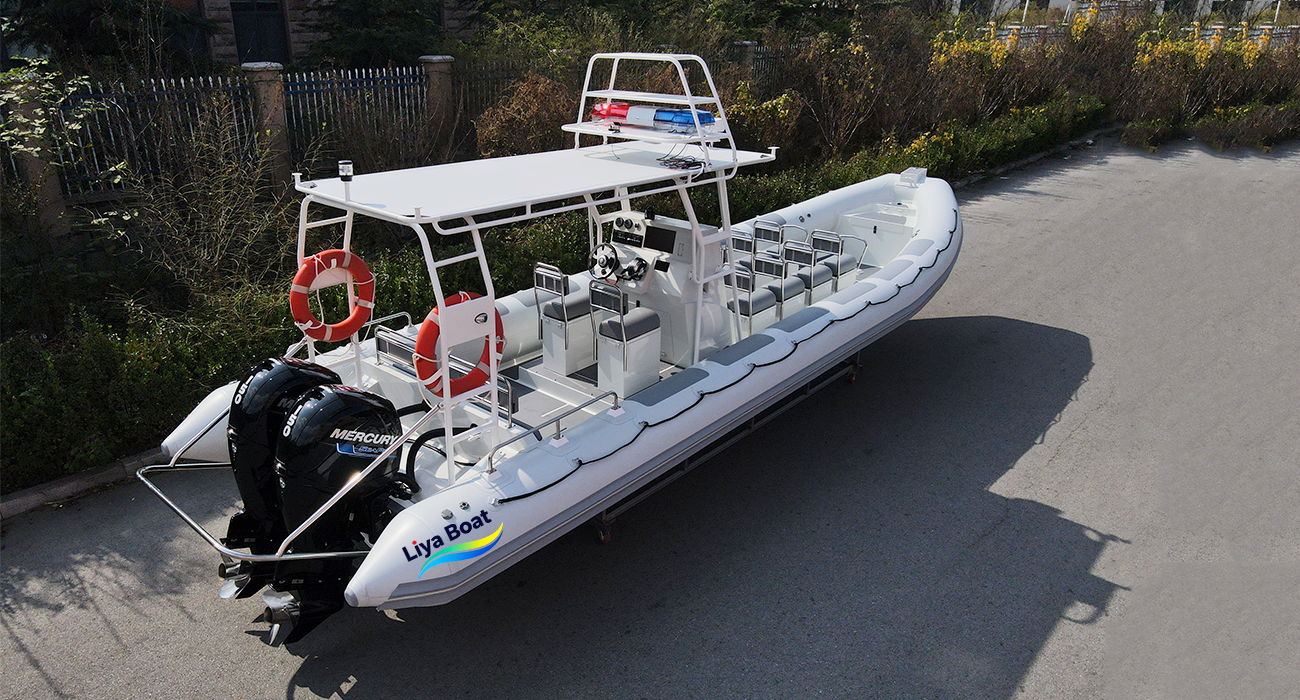 The choice between a 7m and a 10m RHIB is mainly a choice between operating roles. Both are capable Aluminum Hull RIB Boats, but they serve different needs in terms of passenger movement, deck space, route length, equipment integration and crew workflow.
 -
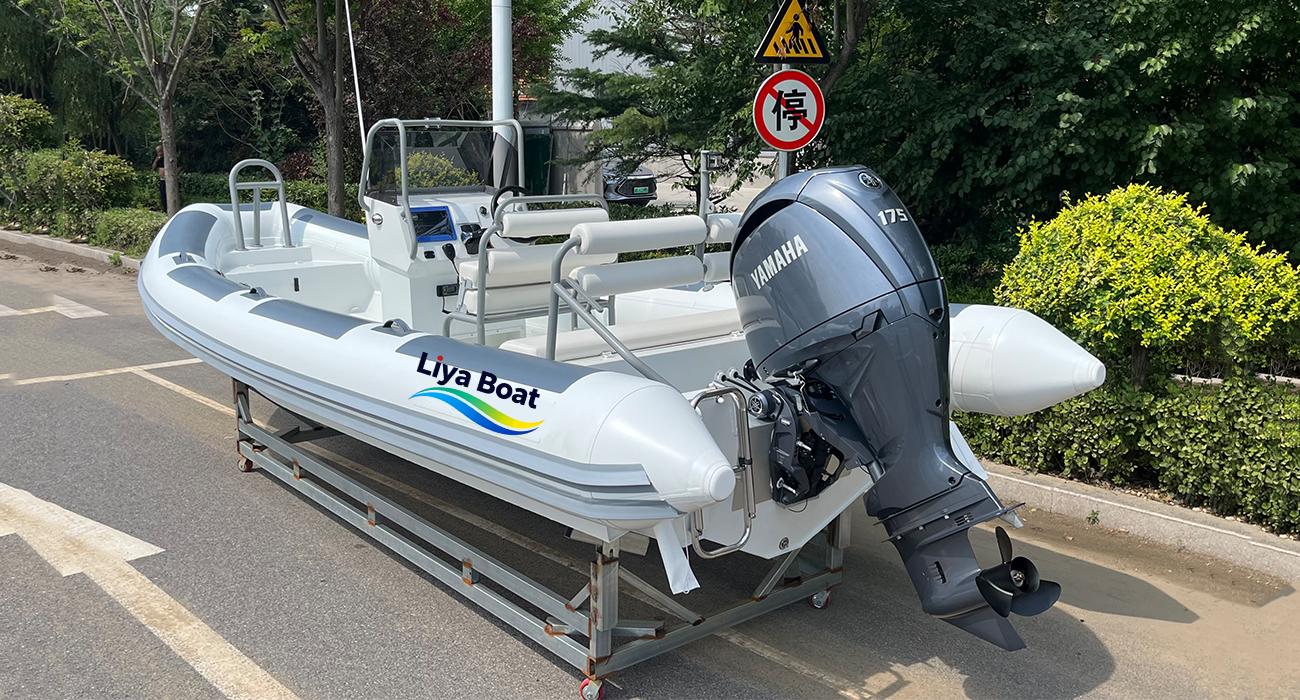 Aluminum Hull RIB Boats can be highly suitable for saltwater operation when they are built with appropriate marine-grade materials and maintained correctly.


