


- Home
- About Liya
- Liya Boats
- Luxury RIB Boats-Fiber Hull
- 8.3m/27Ft Cabin RIB Boat
- 8m/26Ft Sport Fiber RIB Boat
- New 7.5m/25Ft luxury Italy style RIB Boat
- Classic 7.5m/25Ft Rigid Inflatable Boat
- New 6.6m/22Ft Sport RIB Boat
- Classic 6.6m/22Ft Inflatable RIB Boat
- 6.2m/20Ft RIB Fishing Boat
- 5.8m/19Ft Fiberglass hull RIB
- 5.2m/17Ft RIB Boat
- 4.3m/14Ft Yacht Tender RIB Dinghy
- 4.3m/14Ft Center Console RIB Boat
- 3.8m/12.5Ft High Speed RIB Tender
- 3.3m/11Ft RIB Dinghy
- 8.3m/27Ft Cabin RIB Boat
- Open Deck RIBs-Fiber Hull
- Aluminum Hull RIB Boats
- 8-10M Aluminum Patrol RIB
- 7m/23Ft Aluminum RIB Yacht Tender
- 6.6m/22Ft Rigid Aluminum Hull RIB Boat
- 6.2m/20Ft Aluminum RIB Boat with Motor
- 5.8m/19Ft Aluminum Hull RIB Tender Boat
- 5.8-7.5M Transportation RIB
- 5.2m/17Ft Aluminum RIB Center Console Boat
- 4.3m/14Ft Aluminum RIB Dinghy For Sale
- 2.4-5.2m/8-17Ft Aluminum RIB Dinghy
- 8-10M Aluminum Patrol RIB
- Work RHIB-Rescue & Patrol RIBs
- 27Ft Aluminum Patrol Boat Polyurea-EVA Collar Deep-V Hull
- 9-10m/29-34Ft Aluminum Patrol RIB Boat
- Professional 8.3m Heavy-Duty Patrol RIB Boat|Fast-Response,12-Person,CE Certified
- 7.9m/26Ft RHIB for Patrol
- 6.6m/22Ft Black RIB Boat
- 5.8-7.5m/19-25ft Heavy Duty RIB Patrol & Work Boat
- 5.8-7.5m/19-25Ft Aluminum RIB Work Boat
- 27Ft Aluminum Patrol Boat Polyurea-EVA Collar Deep-V Hull
- Fiberglass Boats/Fishing Boats
- 7.6m/25Ft Fiberglass Panga Boat for Fishing
- Liya 45ft Fiberglass Cabin Fishing Boat Passenger Tour Vessel
- 9.18m/30Ft Fiberglass Cabin Fishing Boat
- 6.6m/22Ft Fiberglass Panga Skiff Boat
- 6m/20Ft Center Console Fishing Boat
- 5.8m/19Ft Center Console Panga Fishing Boat
- 5m/16.5Ft Economical Fiberglass Boat
- 7.6m/25Ft Fiberglass Panga Boat for Fishing
- Ferry & Transportation Boats
- Fully Inflatable Boats
- Luxury RIB Boats-Fiber Hull
- Application
- Hot Sale
- News
- Feature & Service
- Work RHIBs
- Contact Liya


Inquire
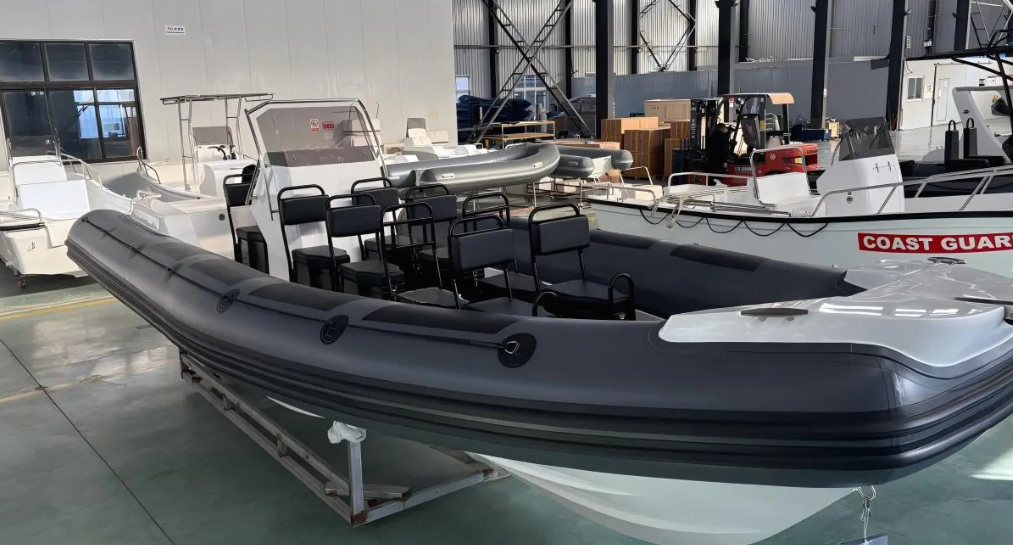
A powerful engine means little if patrol crews lack the right equipment. Coastal surveillance, vessel inspections, and emergency response each place different demands on a boat. A Professional Patrol RIB Boat needs reliable navigation, communication, and crew protection systems. Routine patrols require essential safety equipment, while offshore missions may demand specialized rescue and surveillance tools. Choosing the right setup means balancing operational needs, available deck space, and equipment reliability. Poorly selected accessories can add weight, restrict movement, and complicate maintenance. Here, we cover essential patrol equipment, its practical uses, and key selection considerations. You'll learn which systems deserve priority and which accessories suit specific missions.
Essential Navigation and Communication Equipment for Patrol RIBs
Navigation and communication equipment should be among the first systems selected. Patrol crews often operate around moving vessels, restricted waterways, and changing weather conditions. They need reliable information without constantly looking away from their surroundings.
GPS Chartplotters, Marine Radar, and AIS
A GPS chartplotter provides position information and displays electronic navigation charts. It helps operators follow planned routes, identify hazards, and monitor their progress. However, crews must still maintain a proper lookout and verify their surroundings. Marine radar becomes particularly valuable during nighttime patrols or reduced visibility. It can detect nearby vessels, land, and other radar-reflective objects. Radar performance varies according to installation, conditions, and target characteristics.
An Automatic Identification System (AIS) adds another layer of situational awareness. It displays information transmitted by vessels carrying compatible AIS equipment. However, smaller boats may lack AIS or transmit incomplete information. A harbor patrol operating near shore may prioritize chartplotters and depth monitoring. Offshore operations often benefit from additional radar capability and navigation redundancy.
For practical equipment selection, operators should consider these systems:
GPS chartplotter: Supports route planning, position tracking, and navigation.
Marine radar: Helps detect obstacles and vessels under difficult visibility conditions.
AIS receiver or transceiver: Provides information about participating vessels.
Depth sounder: Helps crews monitor water depth in unfamiliar areas.
VHF Radio and Emergency Communication Systems
Communication equipment connects patrol crews to shore stations, nearby vessels, and emergency services. A fixed marine VHF radio is generally a core communication tool. It should have an appropriately installed antenna and accessible controls. Digital Selective Calling (DSC) can support emergency alerting when correctly configured. Its capabilities depend on registration, positioning information, and local communication arrangements.
Waterproof handheld radios provide useful backup communication if the primary system fails. Some operations also require additional emergency communication equipment. For example, an Emergency Position-Indicating Radio Beacon (EPIRB) can help alert rescuers during serious emergencies. Crews should test communication equipment before departure because a working radio offers limited protection when its antenna or power supply fails.
A reliable communication arrangement should include:
A fixed VHF radio for routine communication and distress calls.
Waterproof handheld radios for backup and portable communication.
Suitable antennas positioned to maintain effective coverage.
Emergency alerting equipment appropriate for the operating area.
A dependable power supply for essential communication devices.
Safety and Emergency Equipment Every Patrol RIB Should Carry
Every Professional Patrol RIB Boat needs safety equipment suited to its operating conditions. The exact requirements depend on local regulations, vessel certification, crew numbers, and mission risks. Safety equipment must also remain accessible during emergencies. Gear stored beneath heavy cargo may become difficult to retrieve when needed.
Personal Protective and Lifesaving Equipment
Every person onboard needs an appropriate, properly fitted personal flotation device. Patrol crews may require specialized lifejackets that allow movement during demanding operations. Their selection should reflect working conditions and applicable safety requirements. Personal locator beacons can provide additional protection during overboard emergencies. Protective helmets, gloves, and weather-resistant clothing may also support demanding operations.
Additional survival equipment may be necessary for offshore operations. Liferafts and immersion protection should be assessed against operating risks and applicable rules. Equipment alone cannot guarantee survival during an emergency. Regular drills help crews understand how to use each item effectively.
Crews should consider the following equipment:
Lifejackets or PFDs: Provide individual flotation suitable for assigned duties.
Throwable rescue equipment: Helps assist people who fall overboard.
Personal locator beacons: Support locating individuals during emergencies.
Protective clothing: Reduces exposure to cold, wind, and spray.
Recovery aids: Help crews bring people safely aboard.
Fire Protection, Bilge Pumps, and Emergency Supplies
Fire protection is essential because patrol boats carry fuel and electrical equipment. Suitable marine fire extinguishers should remain accessible from designated operating positions. Bilge pumps help remove unwanted water from enclosed spaces. Where appropriate, automatic pumps should have a manual backup or alternative dewatering arrangement. High-water alarms can provide early warning before flooding becomes more serious.
Other essential supplies include first-aid kits, waterproof flashlights, emergency signaling equipment, and basic repair tools. Their storage locations should be clearly identified. Before each patrol, crews should inspect these items. Missing equipment, expired supplies, or damaged fittings should be corrected before departure.
Essential Patrol RIB Safety Equipment Checklist
Equipment | Primary Purpose | Selection Priority |
Lifejackets or PFDs | Individual flotation | Suitable for every person onboard |
Throwable rescue equipment | Overboard assistance | Quickly accessible |
Fire extinguishers | Initial fire response | Correct rating and installation |
Bilge pumps | Water removal | Suitable capacity and backup |
First-aid kit | Immediate medical assistance | Appropriate mission-specific supplies |
Emergency signaling devices | Alerting rescuers | Compliant with applicable requirements |
Crew Seating, Deck Layout, and Boarding Equipment
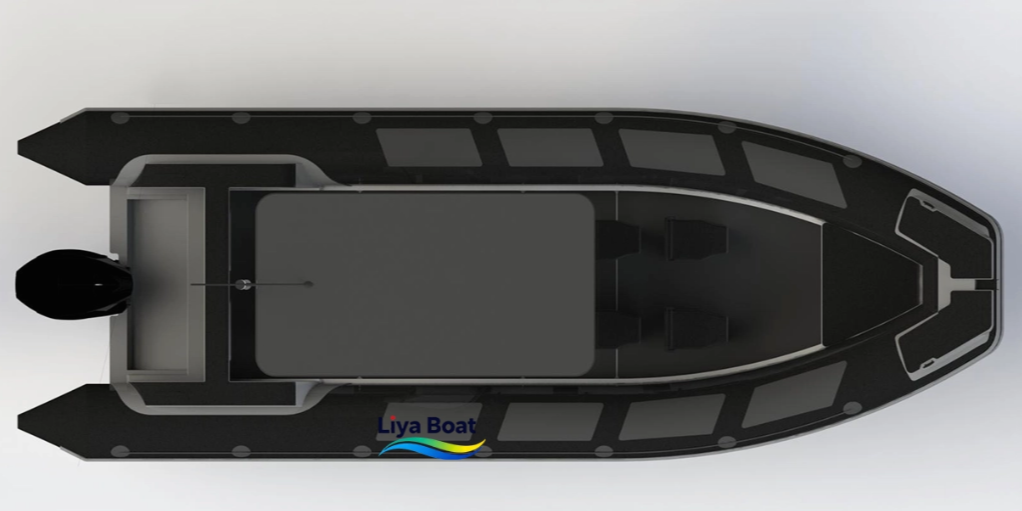
A patrol boat's layout directly affects how safely its crew can work. Seating, handholds, storage, and boarding equipment must support the intended mission. Every additional accessory uses valuable deck space. Good equipment planning therefore considers both installation and movement around the boat.
Shock-Absorbing Seats and Secure Crew Positions
Patrol crews may experience repeated impacts while operating in rough water. Suitable shock-absorbing seats can reduce some of these loads during transit. However, their performance depends on design, adjustment, and operating conditions. Seat selection should consider patrol duration, vessel capacity, and crew responsibilities. Operators also need suitable foot support and accessible handholds.
Different seating arrangements support different operational needs:
Jockey seats: Provide compact seating positions and secure handholds.
Suspension seats: Help reduce transmitted impacts during demanding journeys.
Bench seats: Offer additional seating where the mission allows.
Individual crew seats: Provide dedicated positions for specific operating roles.
At Liya, we offer flexible seating and console arrangements across our Work RHIB, Rescue & Patrol RIBs. These options help operators plan crew positions around different patrol duties.
Non-Slip Decks, Grab Rails, and Boarding Ladders
A non-slip deck helps crews maintain footing during wet conditions. Proper drainage also reduces standing water around working areas. Grab rails and secure handholds should support movement around the vessel. Their positions matter when crews inspect other boats or handle emergency equipment. Boarding ladders provide access between the water and the boat. Rescue-oriented vessels may need additional recovery equipment for injured or exhausted people.
A well-organized deck supports faster operations and safer crew movement. It also makes inspection and cleaning easier after each patrol. Operators should consider these practical details:
Keep main walkways free from loose equipment.
Position storage lockers away from important access routes.
Protect exposed fittings from accidental contact.
Secure portable equipment against movement during rough conditions.
Maintain access to emergency controls and safety supplies.
Patrol Lighting, Surveillance, and Mission-Specific Equipment
Not every patrol assignment requires the same specialized equipment. Daytime harbor inspections have different demands from nighttime surveillance or emergency rescue. Operators should first identify their routine duties. Additional accessories should then support a specific operational need.
Searchlights, Navigation Lights, and Warning Systems
Navigation lights help other vessels identify a boat's presence and movement. Their installation must follow applicable navigation rules and visibility requirements. Searchlights provide additional illumination during nighttime inspections and emergency operations. Adjustable mounting allows crews to direct light toward nearby objects or working areas. Deck lighting improves visibility when handling equipment after dark. However, poorly positioned lights can create glare and reduce night vision.
Lighting equipment should withstand regular exposure to moisture and vibration. Operators must also consider mounting strength, electrical demand, and local restrictions. Professional patrol boats may carry the following lighting and communication accessories:
LED searchlights: Illuminate vessels, obstacles, and working areas.
Navigation lights: Support safe operation under applicable maritime rules.
Deck lights: Improve visibility during onboard activities.
Warning beacons: Provide visible identification for authorized operations.
Loudhailers: Allow crews to communicate instructions over distance.
Surveillance and Search-and-Rescue Accessories
Thermal imaging cameras can help identify temperature differences during low-visibility operations. They may assist crews searching for people or observing nearby vessels. Low-light cameras can provide additional visual information when suitable illumination exists. However, neither technology replaces proper lookout procedures or trained observation.
For rescue operations, equipment priorities change considerably. Crews may need recovery systems, medical storage, and dedicated casualty-handling space. Towing equipment also requires particular care because attachment points must suit the intended loads. A boat used mainly for harbor inspections may not need every accessory. Rescue teams should prioritize recovery equipment and protected medical storage.
Common mission-specific accessories include:
Thermal cameras for selected surveillance and search operations.
Waterproof binoculars for routine observation.
Rescue stretchers or suitable casualty-support equipment.
Recovery slings and lifting aids for water rescue.
Towing fittings and appropriately rated towlines.
Secure compartments for medical and rescue supplies.
Engine Monitoring, Fuel Capacity, and Electrical Equipment
A Professional Patrol RIB Boat must operate reliably throughout its assigned patrol period. Engine instruments, fuel monitoring, and electrical systems help crews identify problems early. These systems also support the navigation and communication equipment already discussed. Poor electrical planning can leave otherwise capable equipment unavailable.
Engine Instruments, Fuel Monitoring, and Electrical Power
Engine displays provide information about operating speed, temperature, and potential faults. They help crews identify abnormal conditions before problems become more serious. Fuel monitoring is equally important during extended patrols. Operators should calculate expected consumption using the actual engine configuration and operating profile. Their plans must include sufficient reserve fuel for delays or changing conditions.
Some vessels benefit from separate starting and service batteries. This arrangement can help protect engine-starting capacity from accessory power consumption. The final design should match the electrical loads and equipment configuration.
A reliable electrical installation should account for:
Engine starting requirements and battery capacity.
Navigation displays, communication systems, and surveillance equipment.
Lighting loads during nighttime operations.
Circuit protection and marine-grade cable connections.
Suitable battery isolation and charging arrangements.
Backup Systems and Maintenance Accessibility
Professional patrol boats often operate where immediate technical assistance is unavailable. Accessible systems make fault identification and routine maintenance easier. Electrical panels should remain protected while allowing safe inspection. Wiring should be secured against movement, vibration, and water exposure. Crews should carry appropriate spare parts and basic maintenance supplies. Depending on the installation, these may include fuses, spare filters, and essential tools.
Backup equipment should focus on critical operating functions. A portable communication device may provide more immediate value than another convenience accessory. Maintenance procedures should include regular inspections of batteries, wiring, and connections. Crews should also verify emergency equipment during scheduled safety checks. A reliable installation is easier to maintain throughout the vessel's working life.
How to Choose the Right Equipment Package for a Professional Patrol RIB Boat
The best equipment package depends on how the vessel will actually operate. A harbor patrol boat may need a different layout from an offshore rescue vessel. Buyers should start by reviewing typical missions, crew numbers, and environmental conditions. This approach prevents unnecessary purchases and avoids overlooking essential systems.
Patrol RIB Equipment Selection Matrix
Equipment | Coastal Patrol | Night Patrol | Search and Rescue |
GPS Chartplotter | Essential | Essential | Essential |
VHF Radio | Essential | Essential | Essential |
Appropriate Safety Equipment | Essential | Essential | Essential |
Marine Radar | Conditions-dependent | Strongly Recommended | Conditions-dependent |
Searchlight | Conditions-dependent | Essential | Strongly Recommended |
Thermal Camera | Optional | Mission-dependent | Mission-dependent |
Casualty Recovery Equipment | Mission-dependent | Mission-dependent | Essential |
Dedicated Medical Storage | Mission-dependent | Mission-dependent | Strongly Recommended |
Before confirming a specification, buyers should review five important questions:
1. Where will the boat operate? Coastal waters, harbors, and offshore environments create different equipment demands.
2. How many people will it carry? Seating, protective equipment, and available deck space must support the crew.
3. Will it operate after dark? Night operations may require additional lighting, radar, and surveillance systems.
4. Does it perform rescue duties? Recovery equipment and medical storage may become essential.
5. Can the installed systems be maintained easily? Accessible components reduce servicing difficulties and support long-term reliability.
Equipment weight and placement also deserve attention. Heavy accessories can affect loading, stability, and available working space. Electrical demands must remain within the capacity of the installed system. Buyers should also request clear equipment specifications and installation details. Where necessary, inspections and operational tests should confirm the finished arrangement.
At Liya, we provide fiberglass and aluminum patrol RIB configurations with adaptable equipment arrangements. We recommend confirming operational requirements before selecting the final seating, console, and accessory configuration. A practical purchasing decision balances safety, functionality, maintenance, and total operating needs.
Conclusion
A well-equipped Professional Patrol RIB Boat needs reliable navigation, communication, safety, and crew protection systems. Essential equipment should come first, while advanced surveillance and rescue accessories should match specific missions. Adding more equipment does not always improve performance. Poor placement, excessive electrical loads, and restricted deck space can reduce operational efficiency. Buyers should assess safety requirements, payload capacity, and equipment compatibility before purchasing. Liya Boat offers fiberglass and aluminum patrol RIB boats with flexible seating, console layouts, and equipment configurations. These options help operators build practical, reliable vessels suited to their patrol duties and maintenance needs.
FAQ
Q: What Equipment Is Essential for a Professional Patrol RIB Boat?
A Professional Patrol RIB Boat needs GPS navigation, VHF communication, lifejackets, fire extinguishers, bilge pumps, and emergency signaling devices. Additional equipment depends on patrol conditions, crew size, and safety regulations.
Q: Does a Professional Patrol RIB Boat Need Radar and AIS?
A Professional Patrol RIB Boat benefits from radar during nighttime operations and poor visibility. AIS helps identify equipped vessels, but neither system replaces visual lookout or proper navigation procedures.
Q: How Should Safety Equipment Be Arranged on a Professional Patrol RIB Boat?
Safety equipment on a Professional Patrol RIB Boat should remain accessible and securely mounted. Lifejackets, first-aid kits, and emergency supplies must not obstruct walkways, boarding points, or crew movement.
Q: What Additional Equipment Is Needed for Night Patrol Operations?
Night patrol equipment typically includes marine radar, searchlights, navigation lights, and reliable communication systems. Thermal imaging cameras can improve surveillance capabilities, particularly during low-light searches and coastal security operations.
Q: How Much Does It Cost to Equip a Professional Patrol RIB Boat?
The equipment cost for a Professional Patrol RIB Boat varies by navigation systems, seating, surveillance technology, and installation requirements. Buyers should prioritize essential safety equipment before investing in optional accessories.

Welcome To Contact Us

-
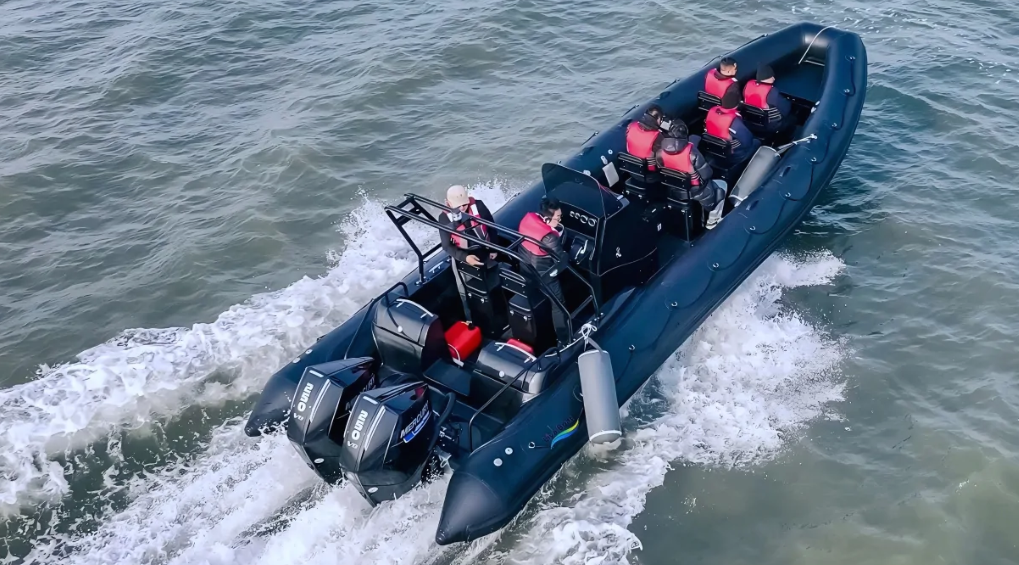 A distress call comes in from offshore. Strong waves and limited visibility make every minute critical. The rescue crew needs a boat that can respond quickly and operate safely. An 8.3m Patrol RIB combines responsive handling, a deep-V hull, and flexible crew arrangements. Yet speed alone cannot guarantee a successful mission. Stability, onboard equipment, and crew coordination matter just as much. For coastal patrols and emergency response teams, these details shape real operational performance. The following sections explore how hull design, maneuverability, seating, and propulsion support rapid response. They also explain what operators should consider before choosing a patrol vessel.
-
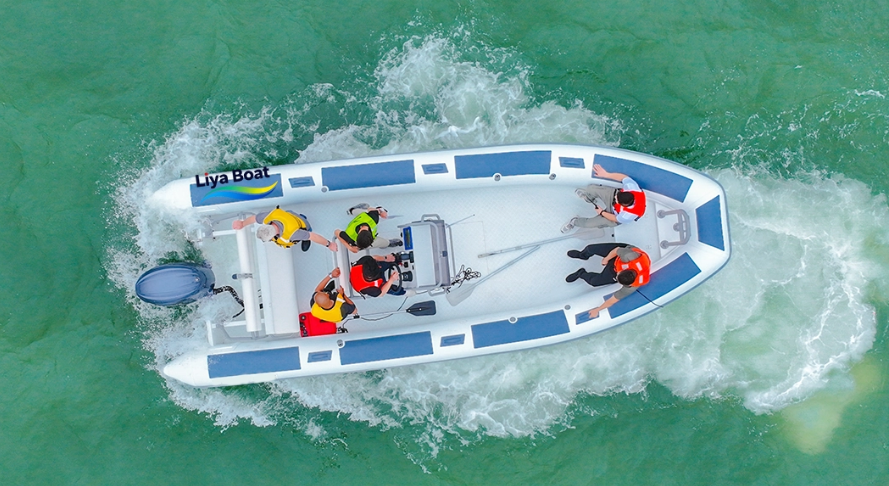 A boat carrying superyacht guests today might transport tools and crew tomorrow. Can one vessel handle both jobs? A 14-person Aluminum RIB combines a marine-grade aluminum hull, inflatable buoyancy tubes, and a practical deck layout. Yet passenger capacity alone cannot guarantee comfortable or efficient operations. Deck access, weight distribution, handling, and payload all influence how the boat performs. These factors become especially important when switching between leisure and commercial duties. So, can a 7-meter Aluminum RIB offer guest comfort without sacrificing workboat practicality? The answer depends on its design and configuration. We'll examine seating arrangements, hull performance, operating applications, engine requirements, and equipment choices.
-
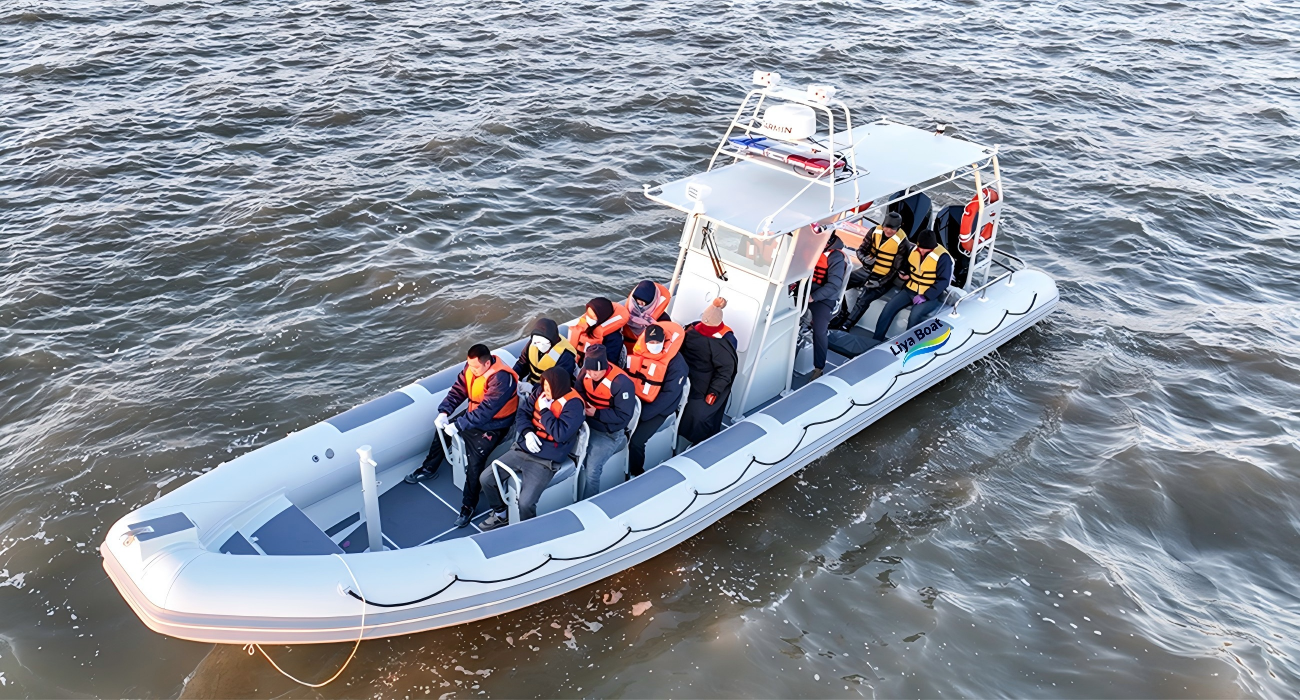 Coastal patrol missions rarely go exactly as planned. Sudden waves, tight response times, and unexpected rescues can challenge even experienced crews. 34ft Aluminum Patrol RIB Boats combine marine-grade aluminum hulls and buoyant collars for demanding operations. Their size, maneuverability, and deck layout help support both routine patrols and emergency responses. But can one vessel handle coastal surveillance and time-critical rescue missions effectively? The answer depends on its handling, equipment, and operational configuration. We’ll examine rough-water performance, rescue access, propulsion options, and crew safety. These factors will help you choose a patrol boat suited to your mission requirements.


