


- Home
- About Liya
- Liya Boats
- Luxury RIB Boats-Fiber Hull
- 8.3m/27Ft Cabin RIB Boat
- 8m/26Ft Sport Fiber RIB Boat
- New 7.5m/25Ft luxury Italy style RIB Boat
- Classic 7.5m/25Ft Rigid Inflatable Boat
- New 6.6m/22Ft Sport RIB Boat
- Classic 6.6m/22Ft Inflatable RIB Boat
- 6.2m/20Ft RIB Fishing Boat
- 5.8m/19Ft Fiberglass hull RIB
- 5.2m/17Ft RIB Boat
- 4.3m/14Ft Yacht Tender RIB Dinghy
- 4.3m/14Ft Center Console RIB Boat
- 3.8m/12.5Ft High Speed RIB Tender
- 3.3m/11Ft RIB Dinghy
- 8.3m/27Ft Cabin RIB Boat
- Open Deck RIBs-Fiber Hull
- Aluminum Hull RIB Boats
- 8-10M Aluminum Patrol RIB
- 7m/23Ft Aluminum RIB Yacht Tender
- 6.6m/22Ft Rigid Aluminum Hull RIB Boat
- 6.2m/20Ft Aluminum RIB Boat with Motor
- 5.8m/19Ft Aluminum Hull RIB Tender Boat
- 5.8-7.5M Transportation RIB
- 5.2m/17Ft Aluminum RIB Center Console Boat
- 4.3m/14Ft Aluminum RIB Dinghy For Sale
- 2.4-5.2m/8-17Ft Aluminum RIB Dinghy
- 8-10M Aluminum Patrol RIB
- Work RHIB-Rescue & Patrol RIBs
- 27Ft Aluminum Patrol Boat Polyurea-EVA Collar Deep-V Hull
- 9-10m/29-34Ft Aluminum Patrol RIB Boat
- Professional 8.3m Heavy-Duty Patrol RIB Boat|Fast-Response,12-Person,CE Certified
- 7.9m/26Ft RHIB for Patrol
- 6.6m/22Ft Black RIB Boat
- 5.8-7.5m/19-25ft Heavy Duty RIB Patrol & Work Boat
- 5.8-7.5m/19-25Ft Aluminum RIB Work Boat
- 27Ft Aluminum Patrol Boat Polyurea-EVA Collar Deep-V Hull
- Fiberglass Boats/Fishing Boats
- 7.6m/25Ft Fiberglass Panga Boat for Fishing
- Liya 45ft Fiberglass Cabin Fishing Boat Passenger Tour Vessel
- 9.18m/30Ft Fiberglass Cabin Fishing Boat
- 6.6m/22Ft Fiberglass Panga Skiff Boat
- 6m/20Ft Center Console Fishing Boat
- 5.8m/19Ft Center Console Panga Fishing Boat
- 5m/16.5Ft Economical Fiberglass Boat
- 7.6m/25Ft Fiberglass Panga Boat for Fishing
- Ferry & Transportation Boats
- Fully Inflatable Boats
- Luxury RIB Boats-Fiber Hull
- Application
- Hot Sale
- News
- Feature & Service
- Work RHIBs
- Contact Liya


Inquire
Choosing between rigid inflatable boats and fiberglass boats often comes down to how you enjoy spending time on the water. Both are popular for family cruising, fishing, watersports, and commercial boating, but they offer different advantages in performance, comfort, and maintenance. From luxury recreational RIBs to practical fiberglass fishing boats, understanding their differences can help you choose a vessel that suits your activities and budget.
What Are Rigid Inflatable Boats and Fiberglass Boats?
Rigid Inflatable Boats (RIBs)
A rigid inflatable boat (RIB) combines a solid hull with inflatable tubes around its sides. The hull provides structural strength and supports handling, while the tubes add buoyancy and cushioning during docking. RIBs can have fiberglass or aluminum hulls, with designs ranging from luxury recreational boats to professional workboats.
Luxury RIB Boats
Luxury RIB Boats are designed for comfortable cruising, family outings, and private charters. They often feature spacious seating, relaxation areas, and convenient onboard amenities. Liya offers fiberglass-hull luxury RIBs in various sizes, providing options for both personal recreation and commercial leisure operations.
Open Deck RIBs
Open Deck RIBs feature accessible deck layouts suited to fishing, watersports, and coastal exploration. Their open arrangements provide room to move around the boat and handle equipment. Liya's fiberglass-hull models offer different sizes and console layouts for recreational and practical marine activities.
Aluminum Hull RIB Boats
Aluminum Hull RIB Boats combine durable metal hull construction with inflatable side tubes. They are used for yacht tenders, passenger transfers, recreational outings, and professional marine work. Liya supplies aluminum-hull RIBs with different layouts to accommodate a range of operating requirements.
Work RHIBs – Rescue & Patrol RIBs
Work RHIBs are built for patrol, rescue, security, and other professional marine operations. They generally prioritize maneuverability, accessible deck space, and practical equipment arrangements. Liya offers workboat designs suited to different coastal and marine service requirements.

Fiberglass Boats
Fiberglass boats are known for their durable construction, versatile hull shapes, and wide range of applications. Their molded structures allow for different deck layouts, seating arrangements, and cabins, making them popular for fishing, leisure cruising, sightseeing, and passenger transportation.
Liya's Fiberglass Boats and Fishing Boats include Panga boats, center-console fishing boats, and cabin fishing boats. These designs provide choices for buyers seeking practical fishing space, comfortable cruising, or commercial marine use.
RIB vs Fiberglass Boat: Key Differences
The main differences between RIBs and fiberglass boats come from their hull structures, onboard layouts, and maintenance requirements.
Feature | Rigid Inflatable Boats | Fiberglass Boats |
|---|---|---|
Construction | Rigid hull with inflatable side tubes | Rigid fiberglass hull with fixed sides |
Buoyancy | Additional buoyancy from inflatable tubes | Depends on hull design and internal buoyancy |
Stability | Tubes can provide support when contacting the water | Influenced by hull width and weight distribution |
Speed & Handling | Often responsive in lightweight configurations | Depends on hull shape, weight, and propulsion |
Deck Space | Interior width influenced by inflatable tubes | Often more usable width at a similar overall beam |
Comfort | Available in luxury, sport, and practical layouts | Available in fishing, leisure, and cabin layouts |
Docking | Tubes cushion minor contact | Typically uses separate fenders |
Maintenance | Hull, tubes, valves, and fittings | Hull, gelcoat, and fittings |
Common Uses | Recreation, watersports, charters, yacht tenders, patrol | Fishing, cruising, sightseeing, transportation |
For example, a luxury RIB may provide more comfortable seating and relaxation space than a basic fiberglass fishing boat. Meanwhile, a larger fiberglass cruiser may offer more enclosed accommodation than an open-deck RIB.
Comparing boats of similar length and intended use gives a clearer picture of their practical differences.

How Do RIBs and Fiberglass Boats Compare in Performance and Stability?
Speed and Maneuverability
RIBs are often valued for their responsive handling and acceleration. Many use lightweight hull designs with outboard engines, making them enjoyable for coastal cruising, watersports, and activities involving frequent turns or changes in speed.
Fiberglass boats can perform equally well when equipped with suitable hull designs and propulsion systems. For example, a lightweight Panga boat can offer efficient cruising and practical handling for fishing or coastal travel.
Several factors influence how either boat performs:
Hull shape: Deep-V and other hull designs affect water resistance and handling.
Boat weight: Passengers, fuel, equipment, and engines influence acceleration.
Engine power: Suitable engine selection affects speed and fuel consumption.
Water conditions: Wind, waves, and currents can change handling characteristics.
A boat's maximum speed is useful to know, but cruising performance under normal passenger loads often matters more in everyday use.
Stability and Rough-Water Performance
The inflatable tubes on a RIB provide additional buoyancy and can help reduce rolling when they contact the water. This can be useful during boarding, fishing, or low-speed maneuvering.
Fiberglass boats rely on hull geometry, beam width, and weight distribution for stability. Wider hulls may feel steady at rest, while deep-V designs can provide a smoother ride through waves under suitable conditions.
In choppy water, the hull's shape and the operator's speed have a major influence on ride comfort. A well-designed deep-V RIB and a comparable fiberglass boat may both handle coastal conditions effectively.
For frequent offshore trips, buyers should examine the specific hull design, loading limits, and recommended operating conditions rather than assuming one construction is always better.
Which Boat Offers Better Comfort and Deck Space?
Both RIBs and fiberglass boats can provide comfortable seating, useful storage, and practical deck layouts. The differences become clearer when considering how passengers spend their time onboard.
Seating and Passenger Comfort
Luxury RIBs are designed with recreation in mind. Many offer cushioned seating, sunbathing areas, and social spaces for family outings, sightseeing, and private charters.
For example, Liya's 25ft Italy Style Luxury RIB Boat features a spacious sunbed and recreational seating arrangement, illustrating how a RIB can combine enjoyable handling with onboard comfort.
Fiberglass boats also provide varied seating and accommodation options. Open center-console boats may suit day trips, while cabin designs offer additional shelter from wind, rain, and direct sunlight.
For longer outings, seating comfort, shade, and access to storage often matter as much as the boat's overall size.
Usable Deck Space and Storage
Inflatable tubes take up part of a RIB's overall width, which may leave less interior space than a fiberglass boat of similar external dimensions.
However, the arrangement of seats, consoles, and storage compartments makes a substantial difference.
Open-deck RIBs offer convenient movement for watersports and active boating. Luxury RIBs often dedicate more space to relaxation, while fiberglass fishing boats may prioritize open working areas and equipment storage.
Before choosing, consider how many passengers will be onboard and whether the space will mainly be used for seating, fishing, or recreational activities.
Boarding and Water Access
RIBs are popular as yacht tenders partly because their inflatable tubes help cushion minor contact when approaching larger vessels or docks.
Fiberglass boats can also offer practical boarding arrangements through swim platforms, ladders, and designated access points.
For swimming, diving, and family recreation, secure handholds, suitable boarding steps, and easy movement between the deck and water can make a noticeable difference.
Which Boat Is Better for Different Boating Activities?
A boat used for weekend cruising has different requirements from one used for fishing trips or daily passenger transfers.
Family Cruising and Watersports
Luxury and sport RIBs are popular for coastal exploration, swimming, and recreational outings. Their responsive handling and open-air layouts appeal to boaters who enjoy active time on the water.
Fiberglass leisure boats offer alternative deck arrangements and, in some models, additional shelter or enclosed spaces.
For family outings, focus on passenger capacity, seating, shade, and convenient water access. Both designs can provide an enjoyable experience when properly matched to the trip.
Fishing and Coastal Exploration
Fishing requires room to move, convenient equipment storage, and a suitable deck arrangement.
Fiberglass Panga and center-console boats are frequently used for coastal fishing because their open layouts can accommodate anglers and fishing equipment. Some larger designs also include cabins for shelter during longer trips.
Fishing-oriented RIBs are another option, particularly for boaters who prefer responsive handling and flexible deck arrangements.
The best layout depends on the type of fishing, number of passengers, and equipment carried.
Yacht Tenders and Commercial Charters
RIBs are widely used as yacht tenders for their handling, buoyancy, and protective inflatable collars. Larger recreational RIBs are also used for sightseeing excursions and private charters.
Fiberglass boats are common in fishing charters, coastal tours, and passenger transportation, with different hull and seating arrangements to suit these services.
For charter boat operators and marine fleet buyers, passenger access, seating capacity, maintenance, and fuel consumption are important considerations. The right configuration can improve daily operations and passenger comfort.
Patrol and Professional Marine Work
RIBs are well suited to many patrol, rescue, and marine support activities because they offer practical deck layouts and responsive handling.
Fiberglass boats also serve professional applications, including commercial fishing, coastal transportation, and sightseeing.
For these operations, the hull, equipment, passenger capacity, and operating limits must match the intended work.
Which Boat Is Easier to Maintain and Own?
Both boat types require regular cleaning, inspections, and engine servicing. Their main maintenance differences come from the inflatable tubes and rigid hull construction.
RIB Maintenance
RIB owners need to inspect the hull and inflatable tubes regularly. Tube pressure, valves, seams, and signs of abrasion should be checked before use.
Tube material also affects maintenance. PVC and CSM-coated fabrics, commonly marketed under names such as Hypalon, have different characteristics and repair requirements.
Regular cleaning and protection from prolonged UV exposure can help maintain the condition of inflatable tubes.
Fiberglass Boat Maintenance
Fiberglass boats do not require tube maintenance, but their hulls and fittings still need attention.
Routine inspections should check for gelcoat damage, cracks, loose fittings, and possible water intrusion. Minor surface damage can often be repaired, while structural problems may require professional work.
Proper cleaning, storage, and timely repairs help preserve the appearance and condition of the hull.
Purchase Price and Operating Costs
Neither boat type has a fixed cost advantage. Prices depend on size, materials, hull construction, engines, and onboard equipment.
A lightweight RIB may offer fuel efficiency benefits under certain conditions, while an efficiently designed fiberglass boat can also keep operating costs manageable.
Before purchasing, consider:
Boat and engine purchase costs.
Fuel consumption at normal cruising speeds.
Maintenance and replacement components.
Trailer storage or marina berthing fees.
Insurance and annual operating hours.
Commercial operators should also consider parts availability and potential maintenance downtime when comparing long-term ownership costs.
How to Choose Between a RIB and a Fiberglass Boat
Start with your usual boating activities, the number of passengers you expect to carry, and where you plan to operate.
Consider Your Main Purpose
For weekend cruising and family recreation, both luxury RIBs and fiberglass leisure boats are worth considering. Compare seating, storage, shade, and passenger movement rather than judging the boat by appearance alone.
Fishing trips may require more open deck space and equipment storage. Yacht tender operations place greater importance on boarding arrangements, vessel dimensions, and compatibility with the main yacht.
For commercial use, passenger flow, operating frequency, and maintenance requirements also influence the choice.
Match the Boat to Your Operating Environment
Sheltered bays, coastal waters, and offshore areas place different demands on a boat.
Hull shape, passenger loading, fuel capacity, and engine configuration should suit the expected conditions. A boat used for short recreational trips may need a different setup from one operating throughout the day.
Check the manufacturer's operating limits and recommended engine specifications before making a final decision.
Compare Construction Quality and Customization
Once you have identified a suitable boat type, look closely at individual models.
Hull materials, structural construction, tube quality, deck finishing, fittings, and engine compatibility all deserve attention. For commercial projects, seating arrangements and equipment installation may also need to match specific operating requirements.
Boat dealers and charter operators often need different layouts or engine packages for their customers and fleets. Working directly with a RIB boat and fiberglass boat manufacturer can help them compare available options and discuss suitable configurations.
With both recreational and professional boats in its range, Liya provides choices across fiberglass-hull RIBs, aluminum-hull RIBs, and fiberglass boats. Buyers can explore different designs and customization options according to their intended use.
Conclusion
RIBs offer additional buoyancy, protective side tubes, and versatile designs for recreational cruising, watersports, yacht tenders, and professional operations. Fiberglass boats provide a wide range of hull shapes and layouts suited to fishing, leisure cruising, and passenger transportation.
Your choice should reflect where you boat, how many people travel with you, and which activities matter most. Comparing actual hull designs and deck arrangements is more useful than relying on broad assumptions about either boat type.
Liya manufactures RIBs and fiberglass boats for different recreational and commercial applications. If you're comparing designs or planning a customized order, contact Liya Boat to discuss your requirements.
Frequently Asked Questions
Are RIBs Better Than Fiberglass Boats for Family Trips?
Both are suitable for family recreation. Luxury RIBs can provide spacious seating and relaxation areas, while fiberglass boats offer different deck and cabin layouts. Passenger comfort, shade, and the type of activities you enjoy should guide your choice.
Are Rigid Inflatable Boats Safer Than Fiberglass Boats?
RIBs provide additional buoyancy through their inflatable tubes, but safety also depends on hull design, weather conditions, passenger loading, and proper operation. Both types can be safe when used within their design limits.
Which Boat Is Better for Fishing?
Fiberglass Panga and center-console boats often provide convenient fishing space and storage. Fishing-oriented RIBs can also offer practical deck arrangements and responsive handling. The right choice depends on your fishing style, equipment, and operating conditions.
Do RIBs Require More Maintenance Than Fiberglass Boats?
RIBs require regular tube, valve, and seam inspections in addition to hull maintenance. Fiberglass boats mainly require attention to their hulls, gelcoat, and fittings. Maintenance costs vary with materials, usage, and storage conditions.
Can RIBs and Fiberglass Boats Be Customized?
Yes. Depending on the model and manufacturer, customization may include seating arrangements, deck layouts, engine packages, and accessories. Boat dealers and commercial operators can discuss suitable configurations with the manufacturer before ordering.

Welcome To Contact Us

-
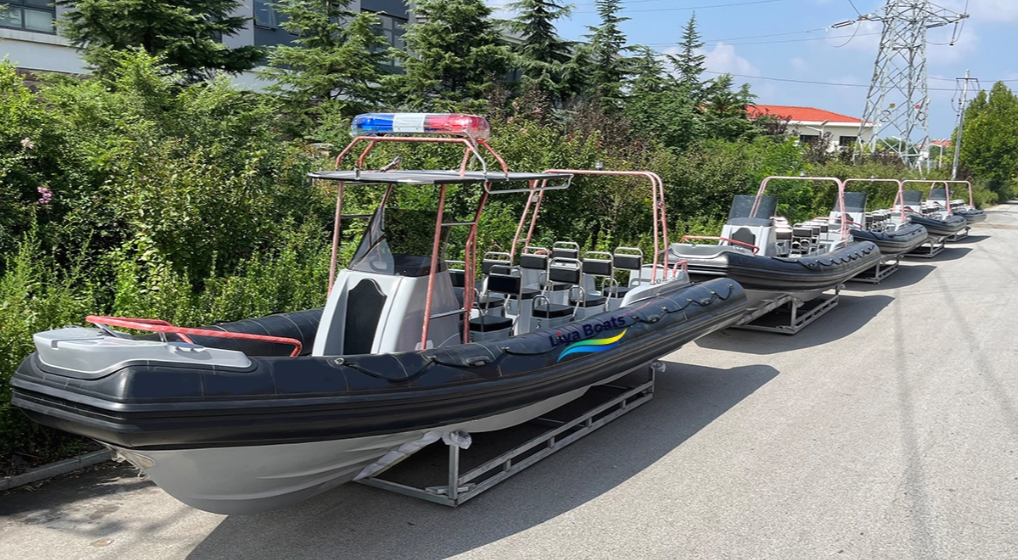 Choosing between rigid inflatable boats and fiberglass boats often comes down to how you enjoy spending time on the water. Both are popular for family cruising, fishing, watersports, and commercial boating, but they offer different advantages in performance, comfort, and maintenance. From luxury rec
-
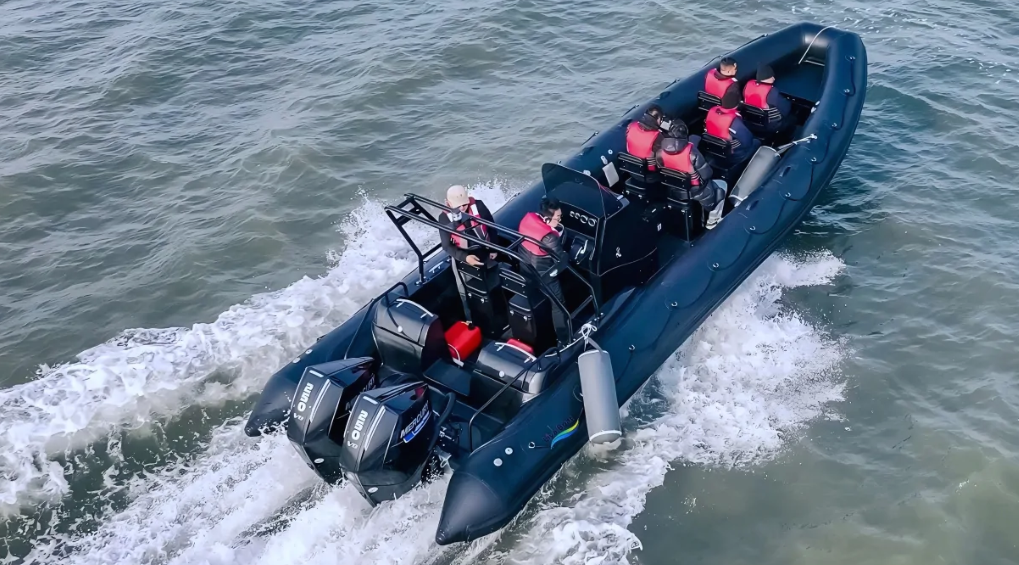 A distress call comes in from offshore. Strong waves and limited visibility make every minute critical. The rescue crew needs a boat that can respond quickly and operate safely. An 8.3m Patrol RIB combines responsive handling, a deep-V hull, and flexible crew arrangements. Yet speed alone cannot guarantee a successful mission. Stability, onboard equipment, and crew coordination matter just as much. For coastal patrols and emergency response teams, these details shape real operational performance. The following sections explore how hull design, maneuverability, seating, and propulsion support rapid response. They also explain what operators should consider before choosing a patrol vessel.
-
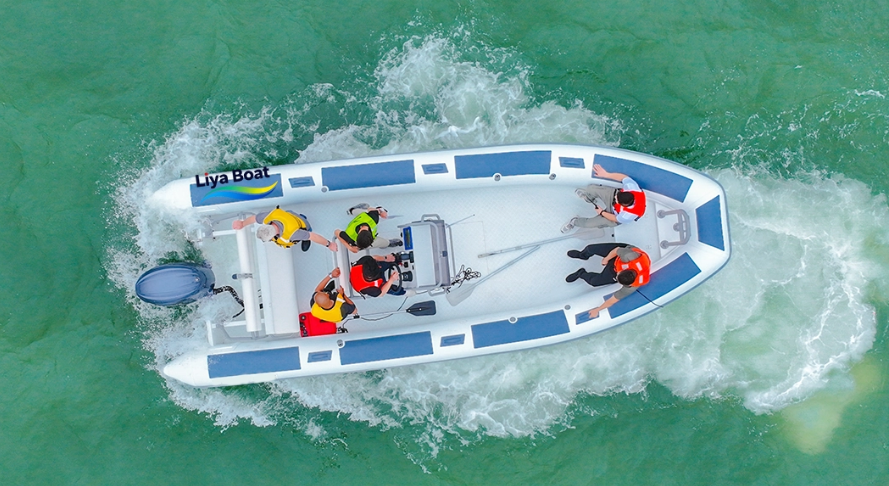 A boat carrying superyacht guests today might transport tools and crew tomorrow. Can one vessel handle both jobs? A 14-person Aluminum RIB combines a marine-grade aluminum hull, inflatable buoyancy tubes, and a practical deck layout. Yet passenger capacity alone cannot guarantee comfortable or efficient operations. Deck access, weight distribution, handling, and payload all influence how the boat performs. These factors become especially important when switching between leisure and commercial duties. So, can a 7-meter Aluminum RIB offer guest comfort without sacrificing workboat practicality? The answer depends on its design and configuration. We'll examine seating arrangements, hull performance, operating applications, engine requirements, and equipment choices.


