


- Home
- About Liya
- Liya Boats
- Luxury RIB Boats-Fiber Hull
- 8.3m/27Ft Cabin RIB Boat
- 8m/26Ft Sport Fiber RIB Boat
- New 7.5m/25Ft luxury Italy style RIB Boat
- Classic 7.5m/25Ft Rigid Inflatable Boat
- New 6.6m/22Ft Sport RIB Boat
- Classic 6.6m/22Ft Inflatable RIB Boat
- 6.2m/20Ft RIB Fishing Boat
- 5.8m/19Ft Fiberglass hull RIB
- 5.2m/17Ft RIB Boat
- 4.3m/14Ft Yacht Tender RIB Dinghy
- 4.3m/14Ft Center Console RIB Boat
- 3.8m/12.5Ft High Speed RIB Tender
- 3.3m/11Ft RIB Dinghy
- 8.3m/27Ft Cabin RIB Boat
- Open Deck RIBs-Fiber Hull
- Aluminum Hull RIB Boats
- 8-10M Aluminum Patrol RIB
- 7m/23Ft Aluminum RIB Yacht Tender
- 6.6m/22Ft Rigid Aluminum Hull RIB Boat
- 6.2m/20Ft Aluminum RIB Boat with Motor
- 5.8m/19Ft Aluminum Hull RIB Tender Boat
- 5.8-7.5M Transportation RIB
- 5.2m/17Ft Aluminum RIB Center Console Boat
- 4.3m/14Ft Aluminum RIB Dinghy For Sale
- 2.4-5.2m/8-17Ft Aluminum RIB Dinghy
- 8-10M Aluminum Patrol RIB
- Work RHIB-Rescue & Patrol RIBs
- 27Ft Aluminum Patrol Boat Polyurea-EVA Collar Deep-V Hull
- 9-10m/29-34Ft Aluminum Patrol RIB Boat
- Professional 8.3m Heavy-Duty Patrol RIB Boat|Fast-Response,12-Person,CE Certified
- 7.9m/26Ft RHIB for Patrol
- 6.6m/22Ft Black RIB Boat
- 5.8-7.5m/19-25ft Heavy Duty RIB Patrol & Work Boat
- 5.8-7.5m/19-25Ft Aluminum RIB Work Boat
- 27Ft Aluminum Patrol Boat Polyurea-EVA Collar Deep-V Hull
- Fiberglass Boats/Fishing Boats
- 7.6m/25Ft Fiberglass Panga Boat for Fishing
- Liya 45ft Fiberglass Cabin Fishing Boat Passenger Tour Vessel
- 9.18m/30Ft Fiberglass Cabin Fishing Boat
- 6.6m/22Ft Fiberglass Panga Skiff Boat
- 6m/20Ft Center Console Fishing Boat
- 5.8m/19Ft Center Console Panga Fishing Boat
- 5m/16.5Ft Economical Fiberglass Boat
- 7.6m/25Ft Fiberglass Panga Boat for Fishing
- Ferry & Transportation Boats
- Fully Inflatable Boats
- Luxury RIB Boats-Fiber Hull
- Application
- Hot Sale
- News
- Feature & Service
- Work RHIBs
- Contact Liya


Inquire
A Panga Boat is often chosen for a practical reason: the owner needs one open vessel to do several jobs without carrying the weight, complexity, or enclosed accommodation of a larger cruiser. The recognizable high bow, lean profile, open work area, and outboard-powered layout grew from working-water needs. Modern examples can add a center console, storage, seating, a T-top, or fishing equipment, but the underlying idea remains straightforward. This guide explains where Panga Boat design earns its reputation, what the hull actually contributes, and where buyers should set realistic limits.
Key Takeaways
A Panga Boat prioritizes a usable open deck, a high bow, and efficient day-use operation.
Hull shape, loading, weather, propulsion, and operator skill matter more than the boat name alone.
Fishing, coastal transport, diving support, and simple family day use can suit the same platform when the layout matches the mission.
A buyer should compare certified capacity, engine range, storage, deck workflow, and local operating conditions before choosing a model.
What Defines a Panga Boat?
The Panga Boat is a broad hull-and-layout family rather than one fixed specification. Traditional versions were lean, open workboats intended to be economical, easy to operate, and useful around coastal communities. They are commonly associated with a high, buoyant bow; a long, comparatively narrow hull; and generous unobstructed space for nets, fish boxes, passengers, or general cargo. Many current boats use fiberglass construction and an outboard engine, while the deck may be configured around a tiller, side controls, or a center console.
That distinction matters because not every panga has the same draft, deadrise, beam, freeboard, weight, capacity, or power rating. A small inshore model and a larger offshore-oriented version can share a design lineage while serving very different operating profiles. Buyers should treat the term as a starting point for investigation, not a guarantee of offshore performance.
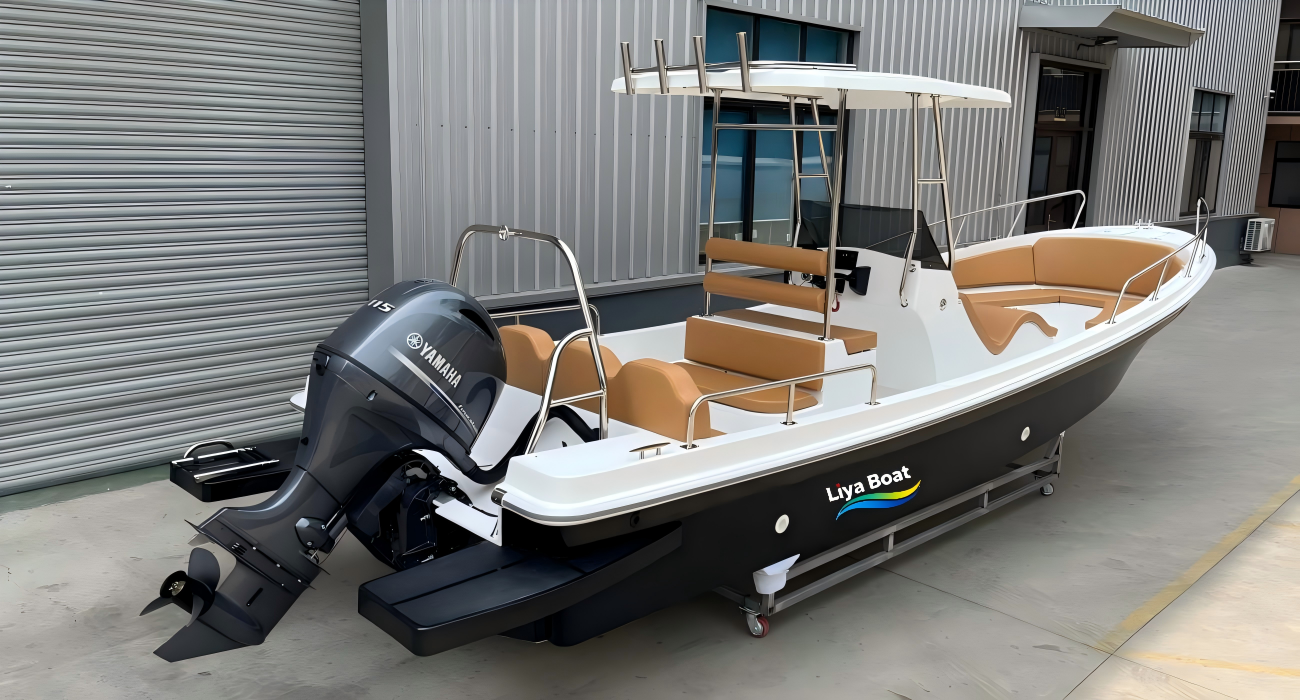
The Liya 22ft Panga Skiff shows how a contemporary version can retain the workboat concept while adding a deep-V-oriented hull, a configurable deck, and fishing or leisure options. Liya Boat also offers Panga-based models in different sizes, so the useful question is not simply “Is it a panga?” but “Which configuration supports my regular trips?”
Why the Hull Shape Helps on Working Days
Bow height and forward buoyancy
A high bow is functional. It helps the forward end meet short chop with more reserve buoyancy and can reduce the amount of spray that reaches the deck in some conditions. It also creates a useful forward volume for a bow locker, anchor gear, or a raised working area. The benefit is not an excuse to ignore sea state: correct trim, sensible speed, load distribution, and a conservative go/no-go decision remain essential.
A long, lean running surface
The classic panga hull design uses length efficiently. A relatively lean hull can reduce the wetted area needed to move a moderate load at practical speeds, especially compared with a heavily appointed platform of similar length. That gives the owner a simple operating proposition: carry people and equipment, cover distance, then use the same deck as a workspace. Efficiency will still change with engine selection, sea conditions, propeller setup, fouling, payload, and throttle position.
Deep-V versus flatter Panga variants
Not every panga is a deep-V panga boat. A deeper forward V can soften the encounter with chop and suits operators who expect coastal conditions, while a shallower form may favor lower-speed inshore use or a different balance of draft and stability. The right choice is based on the water used most often. If the route includes exposed runs, evaluate freeboard, drainage, structural details, and the builder’s stated operating guidance. If shallow bays dominate, draft and launch access may take priority.
The Open Deck Is the Real Utility Advantage
A utility boat succeeds when people can load, move, secure, and unload equipment without the layout fighting them. The open deck of a Panga Boat is therefore more than a stylistic feature. Anglers need clear paths for a fish around the boat, operators may need to place coolers or gear quickly, and dive or transport crews need a deck that can be reset between trips.
For fishing, the platform can be arranged with rod holders, a livewell, insulated storage, a leaning post, and tackle space. For light transport, removable seating and protected storage may matter more than a casting deck. For family cruising, shade, handholds, nonslip surfaces, boarding arrangements, and dry storage deserve attention before cosmetic upgrades. A center console panga boat often supports 360-degree movement, but its console size should be proportionate: too large a console can consume the simplicity that makes the deck useful.
Fishing Applications: Practical Rather Than Specialized
A panga fishing boat is particularly appealing to owners whose target species, crew size, and routes vary from week to week. One trip may be a nearshore casting run, the next a reef excursion, and the next a family cruise. An open layout can accommodate those changes with fewer permanent barriers than a cabin-focused boat.
The trade-off is that the owner must define a priority. A deck optimized for multiple anglers may have less lounge seating. A heavy T-top, a full livewell, a large cooler, and many passengers all change weight distribution. Extra equipment can be sensible, but it should be planned around the boat’s rated capacity and the way it will be used. The 19ft center console Panga Boat is a relevant example for buyers who want a compact open platform, while the details of a particular model must always govern the final equipment list.
Utility, Transport, and Service Roles
Pangas are also used as utility boats because they make it easy to assign a task to the deck. A coastal lodge may use one for guest transfers and light supplies. A diving team may use it to carry tanks, fins, and a ladder arrangement. A waterfront business may need a general-purpose platform for inspection, support, or short passenger movements. The best setup is mission-led: secure points and clear walkways for cargo; shade and seating for passengers; durable deck finishes and drainage for frequent washdown.
This flexibility does not make every panga appropriate for commercial passenger service. Local rules, equipment requirements, licensing, load limits, and construction standards apply. Keep passenger and cargo weights within the maker’s stated limits, distribute them carefully, and confirm the regulations at the actual place of operation. Liya Boat can be a useful manufacturing contact when a buyer needs to discuss a configuration, but local approval decisions belong to the relevant authorities and operator.
Choosing a Configuration That Will Still Work Next Year
Use the following comparison as a planning tool, not as a substitute for a model’s official specification sheet.
Primary mission | Layout priorities | Questions to ask before ordering |
|---|---|---|
Inshore fishing | clear casting paths, rod storage, livewell | What is the normal crew and gear load? |
Coastal fishing | weather protection, secure stowage, navigation space | What conditions and run distance are routine? |
Family day trips | seating, shade, boarding support, handholds | Can passengers move safely with the boat underway? |
Utility transport | open load area, tie-down points, durable surfaces | How will cargo weight be secured and distributed? |
Dive or tourism support | entry/exit arrangement, gear stowage, non-slip deck | What local safety and passenger rules apply? |
Start with the heaviest realistic day, not an empty-boat brochure image. List people, fuel, water, batteries, coolers, fishing gear, safety equipment, and optional accessories. Then decide whether the engine range, rated capacity, storage, and deck space still fit. A simple planning calculation is total trip load = people + personal gear + operational gear + consumables. It does not replace the capacity plate or the builder’s advice; it prevents the common mistake of treating every open space as unused payload allowance.
Construction and Ownership Considerations
A fiberglass panga boat can be an attractive choice because a molded hull permits repeatable shapes and can combine structural components with a clean deck finish. But “fiberglass” alone does not describe build quality. Ask about the laminate schedule, core materials where applicable, stringer system, deck support, drainage, hardware backing, fuel system, and the manufacturer’s documentation. Inspect the finish, hatches, fittings, cable routing, and access for routine service.
Ownership remains simpler when the boat is easy to clean, but simplicity is not zero maintenance. Flush and inspect the outboard according to its manufacturer’s schedule, wash salt from fittings, monitor bilge and drainage areas, inspect steering and fuel lines, protect the finish from prolonged UV exposure, and correct small damage before water reaches underlying materials. Trailer bearings, lights, tires, and winch gear need their own maintenance routine. A small, regular checklist is less expensive than a large end-of-season repair.
Panga Boat Design Works Best With a Defined Mission
The Panga Boat remains compelling because its design puts work space and adaptable operation ahead of unnecessary complexity. A high bow, practical hull, and open deck can serve fishing, utility, coastal exploration, and uncomplicated leisure use well when the owner specifies the boat around actual water and load conditions. It is not a universal answer for every group, every sea state, or every overnight ambition.
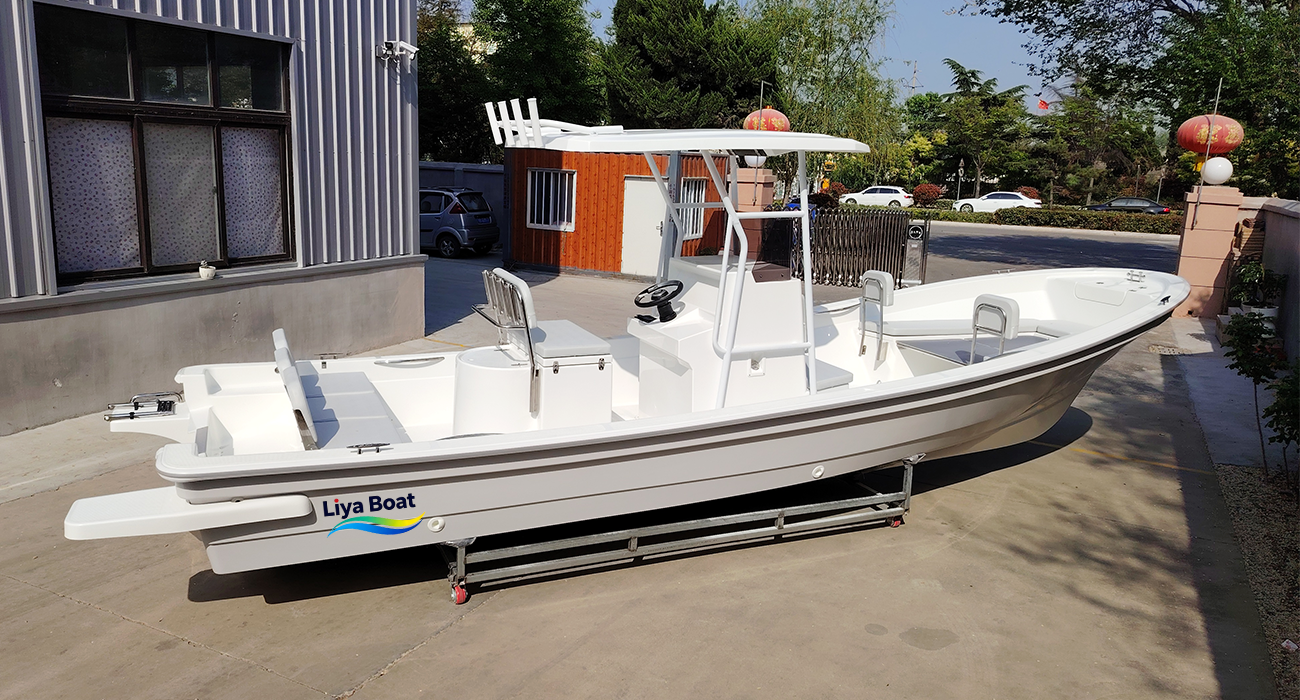
For buyers comparing configurations, Liya Boat’s 25ft fiberglass Panga Boat illustrates the larger end of an open, multipurpose layout. Compare its stated specifications with the intended crew, equipment, local rules, and launch arrangements. That practical match—not the label alone—is why a panga design can become a dependable fishing and utility platform.
Conclusion
A Panga Boat is most valuable when its uncomplicated layout is matched to a clear operating plan. The high bow, efficient hull, and open deck can support fishing, coastal transport, diving support, and family day use, but the final configuration should reflect the water you run, the load you carry, and the weather conditions you are prepared to handle.
Before ordering, compare the model’s stated capacity, engine range, hull construction, storage, drainage, and safety features against a realistic day on the water—not an empty-boat image. For buyers who need more deck space and a larger multipurpose platform, Liya Boat’s 25ft fiberglass Panga Boat is one configuration worth evaluating.
FAQs
What is a Panga Boat best used for?
A Panga Boat is commonly suited to fishing, coastal day trips, light utility work, and transport where an open, adaptable deck is useful. The exact fit depends on hull form, size, capacity, equipment, and operating conditions.
Is a Panga Boat good for offshore fishing?
Some deep-V-oriented panga models are configured for coastal and offshore fishing, but no generic answer applies to all boats. Review the specific boat’s capacity, freeboard, propulsion, safety equipment, and the forecast and regulations for every trip.
Why do Panga Boats have high bows?
The high bow contributes forward buoyancy and can help manage spray in suitable conditions. It also creates useful volume and working space, but it does not eliminate the need for prudent speed and weather decisions.
Can a Panga Boat be used for family cruising?
Yes, many owners configure one for day cruising. Prioritize safe seating, shade, boarding support, storage, handholds, and a passenger count that remains within the boat’s official rating.
What should I inspect on a fiberglass Panga Boat?
Review hull and deck condition, drainage, fittings, access hatches, steering, fuel components, electrical routing, outboard service history, trailer condition, and all official capacity and compliance documents.
Is a center console Panga Boat better than a tiller layout?
Neither is automatically better. A center console can improve visibility and deck circulation; a tiller or simpler control arrangement may preserve more open space on a small working boat. Choose based on crew, route, and task.

Welcome To Contact Us

-
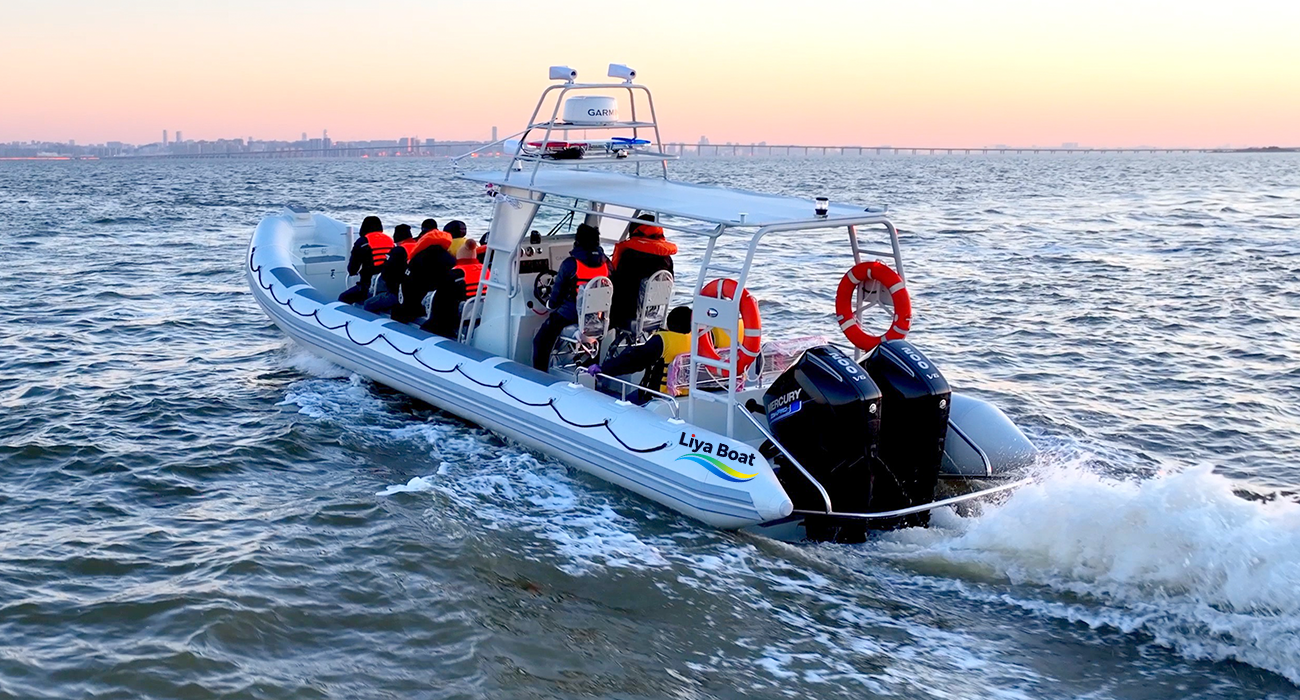 Choosing the hull material is one of the main decisions when buying a rigid-hull inflatable boat. Aluminum and fiberglass are both widely used for RHIBs, and both can support patrol, rescue, workboat, tender and recreational applications.The main differences lie in how the hull is made, how it respo
 -
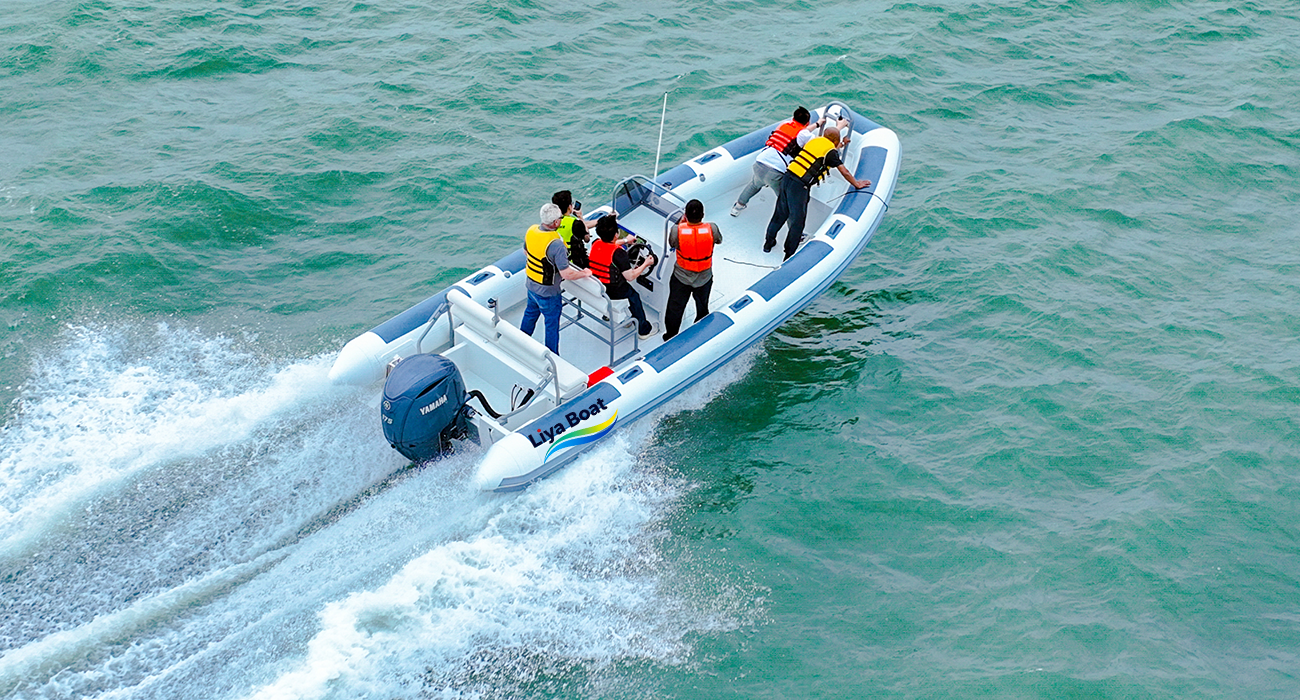 Shallow-water operation exposes a boat to risks that are less common on deeper, predictable routes: changing bottom conditions, sandbars, debris, beach landings, floating docks and low-speed contact with shore structures.
 -
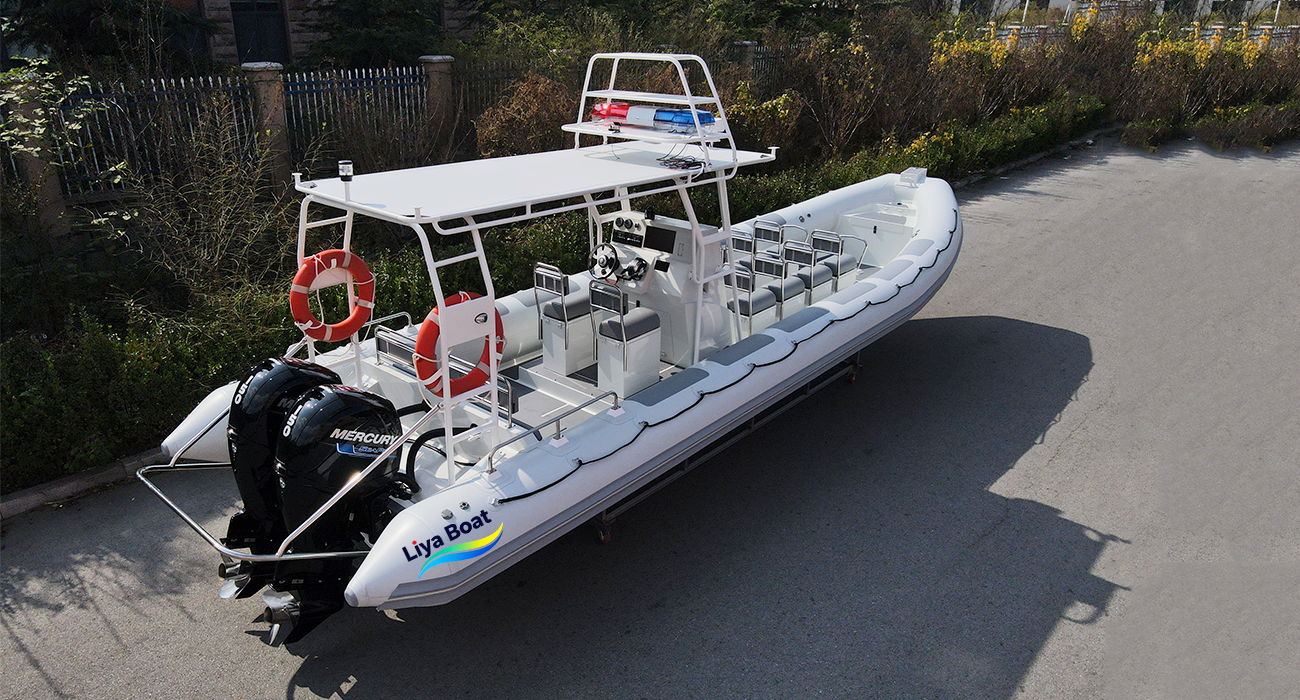 The choice between a 7m and a 10m RHIB is mainly a choice between operating roles. Both are capable Aluminum Hull RIB Boats, but they serve different needs in terms of passenger movement, deck space, route length, equipment integration and crew workflow.


