


- Home
- About Liya
- Liya Boats
- Luxury RIB Boats-Fiber Hull
- 8.3m/27Ft Cabin RIB Boat
- 8m/26Ft Sport Fiber RIB Boat
- New 7.5m/25Ft luxury Italy style RIB Boat
- Classic 7.5m/25Ft Rigid Inflatable Boat
- New 6.6m/22Ft Sport RIB Boat
- Classic 6.6m/22Ft Inflatable RIB Boat
- 6.2m/20Ft RIB Fishing Boat
- 5.8m/19Ft Fiberglass hull RIB
- 5.2m/17Ft RIB Boat
- 4.3m/14Ft Yacht Tender RIB Dinghy
- 4.3m/14Ft Center Console RIB Boat
- 3.8m/12.5Ft High Speed RIB Tender
- 3.3m/11Ft RIB Dinghy
- 8.3m/27Ft Cabin RIB Boat
- Open Deck RIBs-Fiber Hull
- Aluminum Hull RIB Boats
- 8-10M Aluminum Patrol RIB
- 7m/23Ft Aluminum RIB Yacht Tender
- 6.6m/22Ft Rigid Aluminum Hull RIB Boat
- 6.2m/20Ft Aluminum RIB Boat with Motor
- 5.8m/19Ft Aluminum Hull RIB Tender Boat
- 5.8-7.5M Transportation RIB
- 5.2m/17Ft Aluminum RIB Center Console Boat
- 4.3m/14Ft Aluminum RIB Dinghy For Sale
- 2.4-5.2m/8-17Ft Aluminum RIB Dinghy
- 8-10M Aluminum Patrol RIB
- Work RHIB-Rescue & Patrol RIBs
- 27Ft Aluminum Patrol Boat Polyurea-EVA Collar Deep-V Hull
- 9-10m/29-34Ft Aluminum Patrol RIB Boat
- Professional 8.3m Heavy-Duty Patrol RIB Boat|Fast-Response,12-Person,CE Certified
- 7.9m/26Ft RHIB for Patrol
- 6.6m/22Ft Black RIB Boat
- 5.8-7.5m/19-25ft Heavy Duty RIB Patrol & Work Boat
- 5.8-7.5m/19-25Ft Aluminum RIB Work Boat
- 27Ft Aluminum Patrol Boat Polyurea-EVA Collar Deep-V Hull
- Fiberglass Boats/Fishing Boats
- 7.6m/25Ft Fiberglass Panga Boat for Fishing
- Liya 45ft Fiberglass Cabin Fishing Boat Passenger Tour Vessel
- 9.18m/30Ft Fiberglass Cabin Fishing Boat
- 6.6m/22Ft Fiberglass Panga Skiff Boat
- 6m/20Ft Center Console Fishing Boat
- 5.8m/19Ft Center Console Panga Fishing Boat
- 5m/16.5Ft Economical Fiberglass Boat
- 7.6m/25Ft Fiberglass Panga Boat for Fishing
- Ferry & Transportation Boats
- Fully Inflatable Boats
- Luxury RIB Boats-Fiber Hull
- Application
- Hot Sale
- News
- Feature & Service
- Work RHIBs
- Contact Liya


Inquire
Choosing the hull material is one of the main decisions when buying a rigid-hull inflatable boat. Aluminum and fiberglass are both widely used for RHIBs, and both can support patrol, rescue, workboat, tender and recreational applications.
The main differences lie in how the hull is made, how it responds to impact, what maintenance it needs and how easily local technicians can repair or modify it. Hull shape, engine setup, load and deck design are also important, so material should be considered as one part of the complete boat.
This guide compares aluminum and fiberglass RHIB hulls in practical terms to help buyers choose according to their operating conditions.
What Is an Aluminum Hull RHIB?
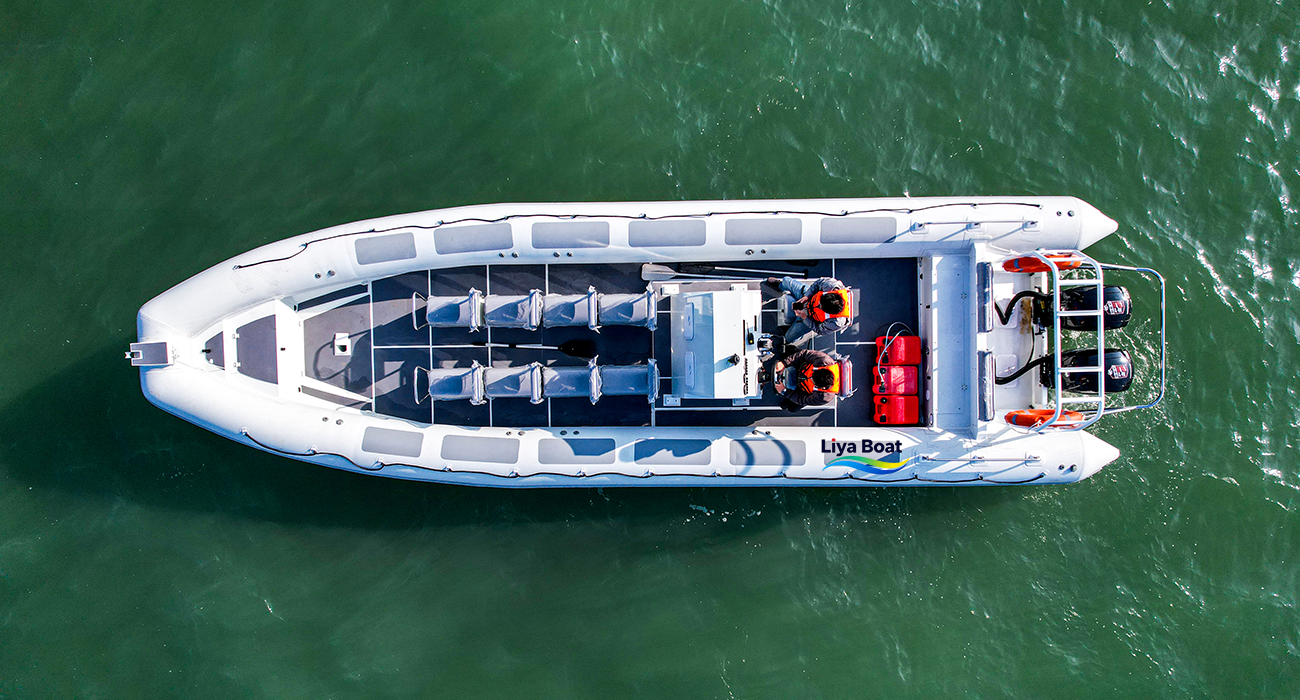
An aluminum RHIB has a rigid hull made from marine-grade aluminum plates. The plates are cut, formed and welded around an internal structure to create the bottom, sides and deck support.
Marine alloys such as 5052 and 5083 are commonly used in boat construction, although the exact alloy, plate thickness and reinforcement depend on the size and design of the vessel. The finished hull may be painted, powder coated or protected with another suitable marine finish.
Aluminum construction works well with open deck layouts and fabricated equipment mounts. Consoles, seating bases, towing points and workboat fittings can be planned into the structure during production.
Many aluminum hull RIB boats are used for patrol, rescue, transport and utility work, but the material is also found in yacht tenders, fishing boats and recreational RHIBs.
What Is a Fiberglass Hull RHIB?
A fiberglass hull is made by combining glass reinforcement with resin inside a mold. The process can use hand lay-up, vacuum-assisted production or other composite methods, depending on the boat and manufacturer.
Molded construction makes it possible to create chines, curves, steps and integrated deck shapes with a consistent surface finish. This is useful for both performance hulls and boats that require molded storage, seating bases or other built-in features.
The strength of a fiberglass hull depends on its laminate schedule, reinforcement, resin control, core material and production quality. A well-designed fiberglass RHIB can be built for high-speed patrol, search and rescue, security, personnel transport or leisure use.
Aluminum vs Fiberglass RHIBs: Main Differences
Comparison point | Aluminum hull | Fiberglass hull |
|---|---|---|
Manufacturing method | Formed and welded metal plates | Glass reinforcement and resin formed in a mold |
Hull shape | Can be built as flat, moderate-V or deep-V designs | Well suited to molded V-shaped, deep-V and stepped hulls |
Impact response | May scratch or deform locally under impact | May show damage in the gelcoat, laminate or core |
Saltwater care | Requires anode, coating and dissimilar-metal checks | Requires gelcoat, laminate, core and fitting checks |
Repair skills | Marine aluminum welding | Composite laminate and gelcoat repair |
Customization | Fabricated mounts and structures can be included during welding | Integrated forms and reinforced equipment foundations can be molded into the design |
Common applications | Patrol, rescue, utility, transport, tender and leisure | Patrol, rescue, security, charter, tender and leisure |
Neither column represents a universal advantage. The importance of each difference depends on where and how the RHIB will operate.
Strength, Impact and Abrasion
Aluminum and fiberglass respond to contact in different ways.
Aluminum can be practical for boats that regularly work close to rocky shorelines, ramps, docks or debris. The metal may scratch or dent after contact, while the surrounding welds and supports should be inspected after a strong impact. For operations that involve frequent beaching or rough handling, a purpose-built aluminum workboat can provide a useful balance of durability and service access.
Fiberglass spreads loads through its laminate structure. Minor contact may affect only the gelcoat, while a heavier impact can require inspection of the reinforcement and core. The result depends on the force, location and way the hull was built.
Fiberglass patrol and rescue RHIBs are designed with reinforced hull structures for demanding marine use. They should not be evaluated in the same way as a lightly built leisure boat. In both materials, the construction specification matters as much as the basic hull material.
Hull Shape and On-Water Performance
Material does not decide whether an RHIB has a flat bottom, deep-V hull or stepped design. Builders can produce different hull forms in both aluminum and fiberglass.
A deeper V can help the boat cut through chop and reduce pounding at speed. It may also require more power and careful load distribution. Flatter working hulls can provide useful deck stability at lower speeds and may suit cargo movement, port work or shallow-water duties.
Stepped hulls reduce the wetted surface at planing speed and are often used where fast acceleration and response are priorities. Their handling characteristics should be understood by trained operators.
When comparing RHIBs, buyers should review deadrise, hull length, chines, steps, weight distribution and engine range. These factors often reveal more about the expected ride than the word “aluminum” or “fiberglass” alone.
Weight, Payload and Fuel Use
Aluminum is often associated with light construction, but two boats cannot be compared by material alone. Plate thickness, internal frames, deck structure and installed equipment all affect the finished weight.
The same applies to fiberglass. A carefully controlled laminate can provide an efficient strength-to-weight ratio, while extra reinforcement, a heavy deck or extensive equipment will increase the final figure.
Ready-to-operate weight should include:
Hull and deck structure
Tubes or solid collars
Console and seating
Engine or engines
Fuel and water tanks
Batteries and electrical systems
Rescue, patrol or work equipment
Crew, passengers and cargo
Total displacement affects acceleration, fuel use, top speed, trailer selection and lifting arrangements. Buyers should compare complete quotations with similar equipment rather than bare-hull figures.
Ride Comfort, Noise and Vibration
Fiberglass hulls often feel quieter because composite material transmits sound and vibration differently from metal. A molded deck can also help create an enclosed, finished feel.
Aluminum may transmit more sound from wave impact, engines or loose equipment. Deck coverings, insulation and secure equipment mounting can reduce this effect.
Ride comfort is also strongly influenced by hull geometry, tube diameter, seating and driving speed. A deep-V aluminum RHIB may provide a smoother ride in chop than a flatter fiberglass boat, while a stepped fiberglass patrol RHIB may be better suited to fast response than a basic aluminum utility hull.
For professional use, shock-absorbing seats and correct weight distribution may matter more to crew comfort than the hull material itself.
Saltwater Maintenance
Both materials are suitable for saltwater service when the boat is properly built and maintained.
Aluminum hull care includes checking sacrificial anodes, coatings, electrical wiring and the isolation between aluminum and other metals. Stainless steel fittings and electrical components need correct installation to reduce galvanic corrosion risks. Drainage paths should remain clear, and damaged coatings should be repaired according to the builder's guidance.
Fiberglass laminate does not corrode in the same way as metal, but it still needs regular inspection. Owners should check the gelcoat, laminate, deck core, seals and through-hull fittings. Areas that have experienced impact or long-term water exposure may need closer attention.
Engines, wiring, fasteners and other metal components require saltwater care on both types of RHIB.
Repair Requirements
Repair access can be an important factor for boats working far from their original manufacturer.
Aluminum repairs normally require a technician experienced in marine-grade alloys. Welding sequence, heat control, filler material and corrosion protection all affect the quality of the repair. A general metal workshop may not have the right marine experience.
Fiberglass repair involves removing damaged material and rebuilding the laminate or core with suitable reinforcement and resin. Minor gelcoat repairs may be widely available, while structural composite work needs a qualified technician.
Before choosing a hull, buyers should check which repair services are available near the operating base. The most practical option may be the one that local technicians can inspect and repair correctly.
Customization and Deck Layout
Both aluminum and fiberglass RHIBs can be customized, but the process is different.
With aluminum construction, fabricated consoles, brackets, storage structures and equipment mounts can be included during welding. This can be helpful for open work decks, patrol equipment and cargo-handling needs.
Fiberglass construction supports molded consoles, lockers, seating bases and integrated deck forms. Where heavy equipment will be installed, the structure can be reinforced during production.
In either case, changes in seating, fuel capacity, engines or mission equipment affect balance and total weight. These requirements should be confirmed before the hull is built. Liya's custom RIB manufacturing guide explains how hull, tube and layout choices can be planned together.
Can Both Hulls Be Used for Patrol and Rescue?
Yes. Patrol and rescue suitability depends on the complete boat rather than material alone.
Liya's work RHIB, rescue and patrol boat range includes aluminum and fiberglass models. Both types can be configured with clear working decks, patrol consoles, jockey or shock-absorbing seats, rescue equipment and single- or twin-engine arrangements.
For example, the 9–10m aluminum patrol RHIB uses a deep-V hull for patrol, SAR and law-enforcement work. The 8.3m fiberglass patrol RIB uses a stepped deep-V hull for fast response, rescue and coastal security.
These two examples serve similar professional markets through different structures and hull designs. Buyers should compare operating area, speed, crew, deck space, equipment and maintenance needs before selecting one.
What About Tenders and Recreational RHIBs?
Both materials are also used beyond professional patrol work.
Aluminum tenders can offer practical load handling, open layouts and resistance to repeated shore transfers. The 7m aluminum RIB yacht tender, for example, is designed for passenger, crew and supply movement as well as commercial support.
Fiberglass is common in luxury and recreational RIBs because molded construction supports smooth finishes, integrated seating and shaped storage. The same construction approach can also be used for charter, passenger transport and sport boats.
The choice still comes back to the required layout, operating area and maintenance plan rather than a fixed division between work and leisure.
How to Choose the Right Hull
An aluminum RHIB may be worth considering when the boat will face frequent beaching, abrasive shorelines, debris, hard dock contact or a work layout that benefits from fabricated metal structures.
A fiberglass RHIB may be suitable when the project requires a molded deep-V or stepped hull, integrated deck features, a smoother finished surface or an existing fiberglass platform designed for the intended mission.
Before ordering, compare:
Primary use and operating area
Expected sea conditions
Beaching and docking frequency
Crew, passenger and cargo load
Required speed and range
Hull form and deadrise
Engine arrangement
Inflatable tube or solid collar option
Deck layout and seating
Mission equipment
Storage and transport method
Local repair services
Certification requirements
An experienced RIB boat manufacturer can use this information to match an existing model or prepare a suitable configuration.
Conclusion
Aluminum and fiberglass are both proven RHIB hull materials. Aluminum uses a fabricated and welded structure that can be practical for abrasive environments, repeated beaching and open workboat layouts. Fiberglass uses molded composite construction that supports complex hull forms, integrated deck features and smooth finished surfaces.
Both materials can be used for patrol, rescue, commercial work, passenger transfer, yacht support and recreation. The best choice depends on the complete boat, including hull geometry, structure, weight, payload, engines, collar, deck arrangement and available maintenance support.
Buyers can contact Liya with their operating conditions, required capacity and equipment list to compare suitable aluminum and fiberglass RHIB options.
Frequently Asked Questions
Is an aluminum RHIB stronger than a fiberglass RHIB?
They respond to loads and impact differently. Strength depends on plate or laminate specification, reinforcement, hull design and production quality.
Are fiberglass RHIBs suitable for search and rescue?
Yes. Fiberglass deep-V and stepped-hull RHIBs are used for patrol, rescue, law enforcement and fast-response work.
Are aluminum RHIBs always lighter?
No. Finished weight depends on the entire structure, collar, fuel system, engines, seating and equipment.
Which hull is better for frequent beaching?
A purpose-built aluminum hull can be practical for frequent beach landings and abrasive contact. The exact bottom design and collar protection should also be checked.
Which material is easier to repair?
That depends on local skills. Aluminum needs qualified marine welding, while fiberglass needs suitable composite and gelcoat repair capability.
Which RHIB hull gives a smoother ride?
Hull shape, deadrise, length, weight distribution, seating and sea conditions usually have more influence on ride comfort than material alone.

Welcome To Contact Us

-
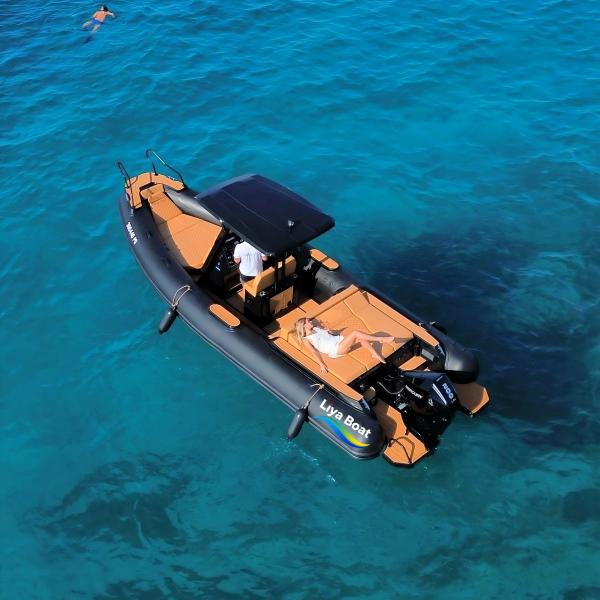 A luxury RIB boat should offer more than attractive upholstery and a powerful engine. For owners who enjoy spending full days on the water, the arrangement of the sunbed, storage compartments, seating, and onboard facilities can make a greater difference than decorative details. A spacious deck shou
 -
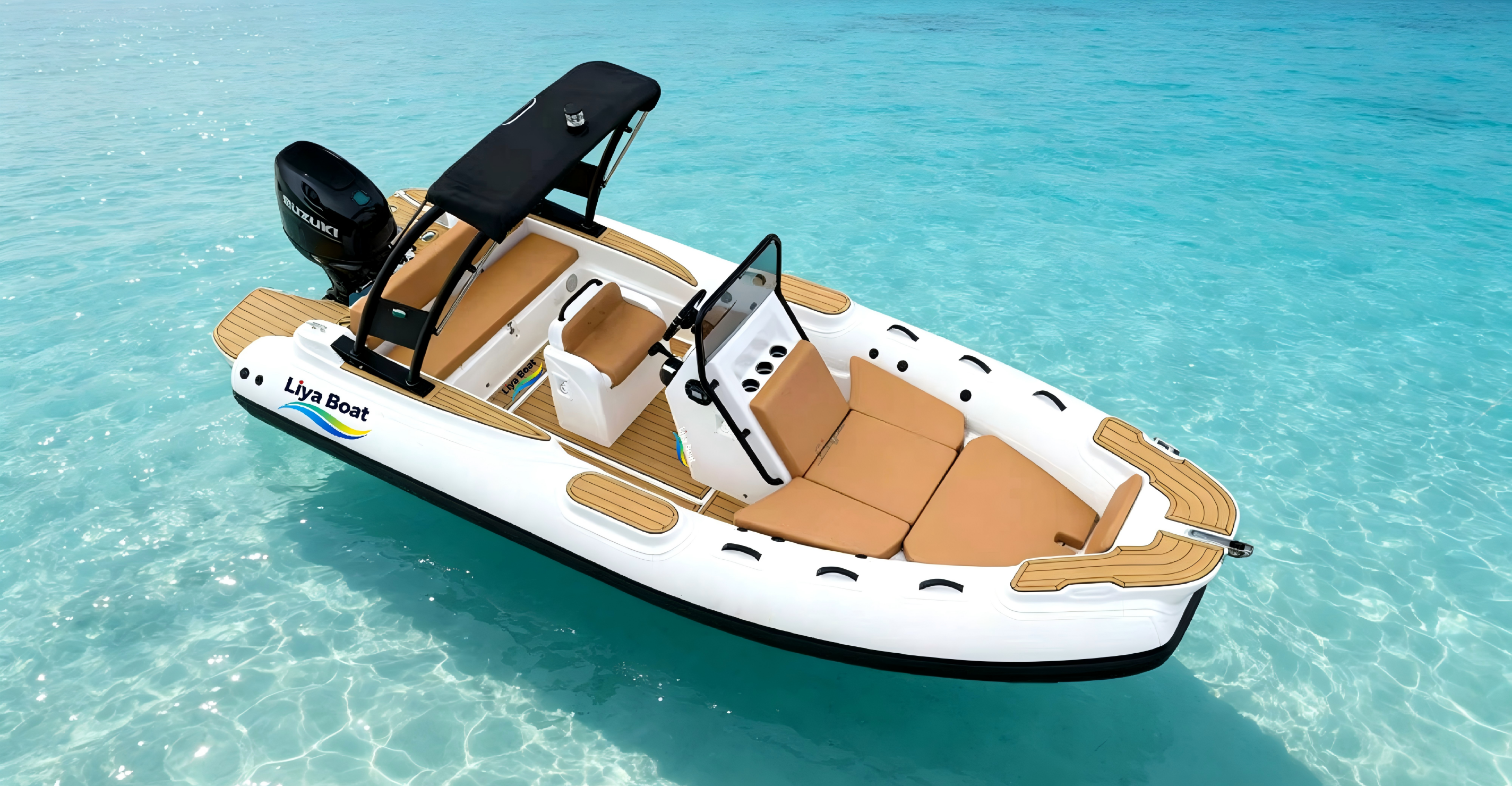 A 10-person RIB boat may sound spacious, but passenger capacity alone does not tell you how comfortable or practical the boat will be during a day on the water. Families need places to sit and store their belongings, fishing enthusiasts need room to handle equipment, and recreational operators want
 -
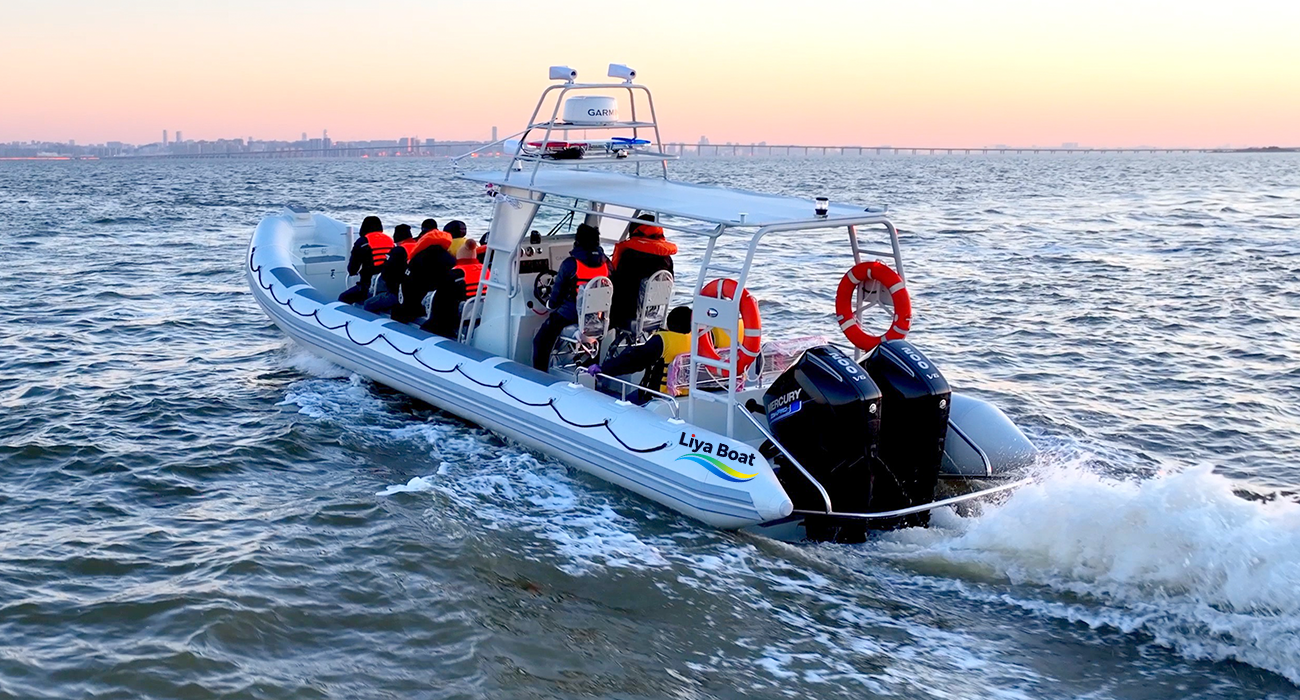 Choosing the hull material is one of the main decisions when buying a rigid-hull inflatable boat. Aluminum and fiberglass are both widely used for RHIBs, and both can support patrol, rescue, workboat, tender and recreational applications.The main differences lie in how the hull is made, how it respo


