


- Home
- About Liya
- Liya Boats
- Luxury RIB Boats-Fiber Hull
- 8.3m/27Ft Cabin RIB Boat
- 8m/26Ft Sport Fiber RIB Boat
- New 7.5m/25Ft luxury Italy style RIB Boat
- Classic 7.5m/25Ft Rigid Inflatable Boat
- New 6.6m/22Ft Sport RIB Boat
- Classic 6.6m/22Ft Inflatable RIB Boat
- 6.2m/20Ft RIB Fishing Boat
- 5.8m/19Ft Fiberglass hull RIB
- 5.2m/17Ft RIB Boat
- 4.3m/14Ft Yacht Tender RIB Dinghy
- 4.3m/14Ft Center Console RIB Boat
- 3.8m/12.5Ft High Speed RIB Tender
- 3.3m/11Ft RIB Dinghy
- 8.3m/27Ft Cabin RIB Boat
- Open Deck RIBs-Fiber Hull
- Aluminum Hull RIB Boats
- 8-10M Aluminum Patrol RIB
- 7m/23Ft Aluminum RIB Yacht Tender
- 6.6m/22Ft Rigid Aluminum Hull RIB Boat
- 6.2m/20Ft Aluminum RIB Boat with Motor
- 5.8m/19Ft Aluminum Hull RIB Tender Boat
- 5.8-7.5M Transportation RIB
- 5.2m/17Ft Aluminum RIB Center Console Boat
- 4.3m/14Ft Aluminum RIB Dinghy For Sale
- 2.4-5.2m/8-17Ft Aluminum RIB Dinghy
- 8-10M Aluminum Patrol RIB
- Work RHIB-Rescue & Patrol RIBs
- 27Ft Aluminum Patrol Boat Polyurea-EVA Collar Deep-V Hull
- 9-10m/29-34Ft Aluminum Patrol RIB Boat
- Professional 8.3m Heavy-Duty Patrol RIB Boat|Fast-Response,12-Person,CE Certified
- 7.9m/26Ft RHIB for Patrol
- 6.6m/22Ft Black RIB Boat
- 5.8-7.5m/19-25ft Heavy Duty RIB Patrol & Work Boat
- 5.8-7.5m/19-25Ft Aluminum RIB Work Boat
- 27Ft Aluminum Patrol Boat Polyurea-EVA Collar Deep-V Hull
- Fiberglass Boats/Fishing Boats
- 7.6m/25Ft Fiberglass Panga Boat for Fishing
- Liya 45ft Fiberglass Cabin Fishing Boat Passenger Tour Vessel
- 9.18m/30Ft Fiberglass Cabin Fishing Boat
- 6.6m/22Ft Fiberglass Panga Skiff Boat
- 6m/20Ft Center Console Fishing Boat
- 5.8m/19Ft Center Console Panga Fishing Boat
- 5m/16.5Ft Economical Fiberglass Boat
- 7.6m/25Ft Fiberglass Panga Boat for Fishing
- Ferry & Transportation Boats
- Fully Inflatable Boats
- Luxury RIB Boats-Fiber Hull
- Application
- Hot Sale
- News
- Feature & Service
- Work RHIBs
- Contact Liya


Inquire
Buying an aluminum RIB is a specification decision, not simply a choice between lengths or engine ratings. The best Aluminum Hull RIB Boats are those matched to the operator’s route, passenger load, working environment and onboard equipment. A small tender may need easy launch and practical seating, while a patrol or transport boat needs a stronger deck plan, suitable fuel capacity, safe movement around the console and room for mission equipment. Before comparing quotations, define how the boat will actually be used. This prevents buyers from paying for unnecessary features—or discovering too late that a basic configuration cannot support daily work.
Key Takeaways
Check the hull alloy, welding quality and structural layout before comparing cosmetic options.
Size must be selected around people, equipment, route length and boarding method.
Tube material and chamber design affect durability, buoyancy and maintenance.
Engine selection must match the loaded boat, not only the empty hull.
Ask for a configuration review when the RIB will be used for work, patrol, diving or passenger transfers.
1. Check the Hull Construction, Not Just the Aluminum Claim
“Aluminum” alone does not tell a buyer whether a RIB is suitable for the intended duty. Ask which marine-grade alloy is used, how the hull is reinforced, where the fuel tank sits, whether the deck drains effectively, and how fittings are integrated. For professional users, the condition of welds, internal framing, transom arrangement and load-bearing deck zones matters more than a polished exterior.
The Aluminum Hull RIB Boats category includes models built for different roles, from compact tenders to larger work and patrol platforms. These should not be compared only by overall length. A narrow leisure layout and a wide working deck may be very different boats even at a similar length.
For routes involving beach landings, floating docks, rocky shorelines or frequent loading, inspect the keel, chines, bow structure and deck coating. Aluminum is valued because it can withstand demanding use, but the hull must still be designed for the actual contact points and payload.
2. Choose Size by Operational Capacity
Boat size determines more than passenger count. It affects ride behavior, storage space, usable deck area, fuel capacity, trailer requirements and the power range needed for the intended operation.
A 7m RIB can be a strong middle ground for yacht transfers, resorts, commercial shuttles and multi-purpose operations. The 7m Aluminum RIB Yacht Tender is configured with a dual-console layout and capacity for up to 14 people, making it relevant where guest or crew transfer must coexist with cargo and working space.
A 9–10m platform is more appropriate when the operation needs larger equipment loads, patrol seating, extended-route fuel capacity or multiple crew positions. The 10m Aluminum Patrol RIB Boat is designed for 12–14 personnel and can be configured for demanding professional applications.
Do not select a boat according to nominal passenger capacity alone. Consider these practical questions:
How many people will be onboard on a normal working day?
How much equipment, luggage, diving gear or supplies must be carried?
Is the RIB launched by trailer, davit, crane or ramp?
Does crew need to move safely around the console during operation?
Will the boat make short harbor trips or long coastal runs?

3. Examine the Tube Material and Deck Layout Together
The inflatable tubes are a core safety and handling component. Buyers should understand whether the RIB uses PVC, Hypalon or an alternative collar system, and whether the material matches the climate, UV exposure and intensity of use.
PVC can be a practical solution for many recreational and moderate-use applications. Hypalon is often selected for long-term outdoor exposure and frequent professional use because of its durability characteristics. The correct choice depends on the operating environment and maintenance commitment.
The deck should be assessed at the same time. For a tender, clear boarding routes and handholds can matter more than extra decorative seating. For a dive or rescue RIB, a non-slip surface, equipment retention points, open aft access and practical storage are more useful. Liya’s custom RIB configuration options show why hull material, tube selection, console, seating and application equipment should be specified as one system.
4. Confirm Engine Power for the Loaded Boat
Engine power should be selected after the final boat weight is known. That includes the hull, tube system, console, seating, batteries, fuel, electronics, anchor system, canopy or T-top, crew, cargo and any mission equipment.
An underpowered boat may struggle to plane efficiently when fully loaded. An excessively powerful boat can increase fuel demand and place greater demands on crew training and safe operation. Ask the manufacturer for the recommended power range, maximum rating and expected configuration weight.
For example, the 7m Liya yacht tender is listed with 150HP recommended power and 200HP maximum power. The 10m patrol RIB has a substantially different operational envelope, with higher power options suited to its larger scale and professional role. These figures should guide a discussion, not replace it. Final engine selection depends on duty cycle, sea conditions and payload.
5. Assess the Supplier’s Ability to Build for Your Application
A quote should clarify more than price and delivery. A capable aluminum RIB manufacturer should be able to discuss the practical details of your use case: seat type, console height, boarding requirement, navigation equipment, fuel capacity, equipment mounts and corrosion-control measures.
For patrol, rescue and utility requirements, review the Work RHIB and Patrol RIB range. These applications normally require a more deliberate deck arrangement than a leisure tender. For a broader review of support and configuration topics, buyers can also consult Liya’s Features and Service page.
Conclusion
The five most important checks before buying an aluminum RIB are hull construction, real working size, tube and deck configuration, loaded-engine suitability and supplier capability. Start with the mission profile, then build a specification around it. This approach produces a more useful boat and avoids compromises that become costly after delivery.
FAQs
Is a larger aluminum RIB always better?
No. A larger RIB provides more deck space and capacity, but it also affects cost, storage, trailering, engine requirement and daily handling. Select the smallest size that safely supports the real operation.
Is Hypalon better than PVC for every aluminum RIB?
Not necessarily. Hypalon is often appropriate for intensive outdoor and professional use, while PVC can suit many recreational applications. Climate, UV exposure, budget and expected service life should guide the decision.
Can an aluminum RIB be customized for diving or patrol use?
Yes. The deck, console, seating, racks, boarding arrangements and electronics provisions can be specified around the application. Confirm these requirements before production begins.
What should I ask about aluminum hull maintenance?
Ask about freshwater rinsing, sacrificial anodes, coating care, hardware isolation, cleaning products and inspection points around welds, fittings and the waterline.
Should I choose engine power before choosing the boat layout?
No. The final layout and equipment affect weight distribution and total operating weight. Confirm the intended configuration first, then select power within the manufacturer’s approved range.

Welcome To Contact Us

-
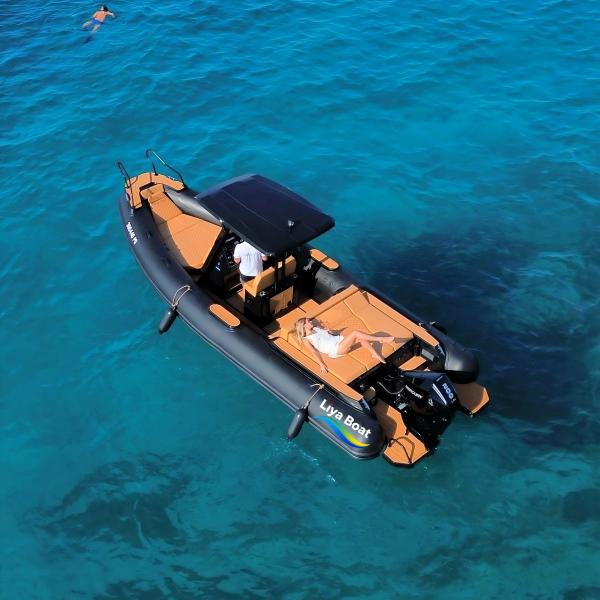 A luxury RIB boat should offer more than attractive upholstery and a powerful engine. For owners who enjoy spending full days on the water, the arrangement of the sunbed, storage compartments, seating, and onboard facilities can make a greater difference than decorative details. A spacious deck shou
 -
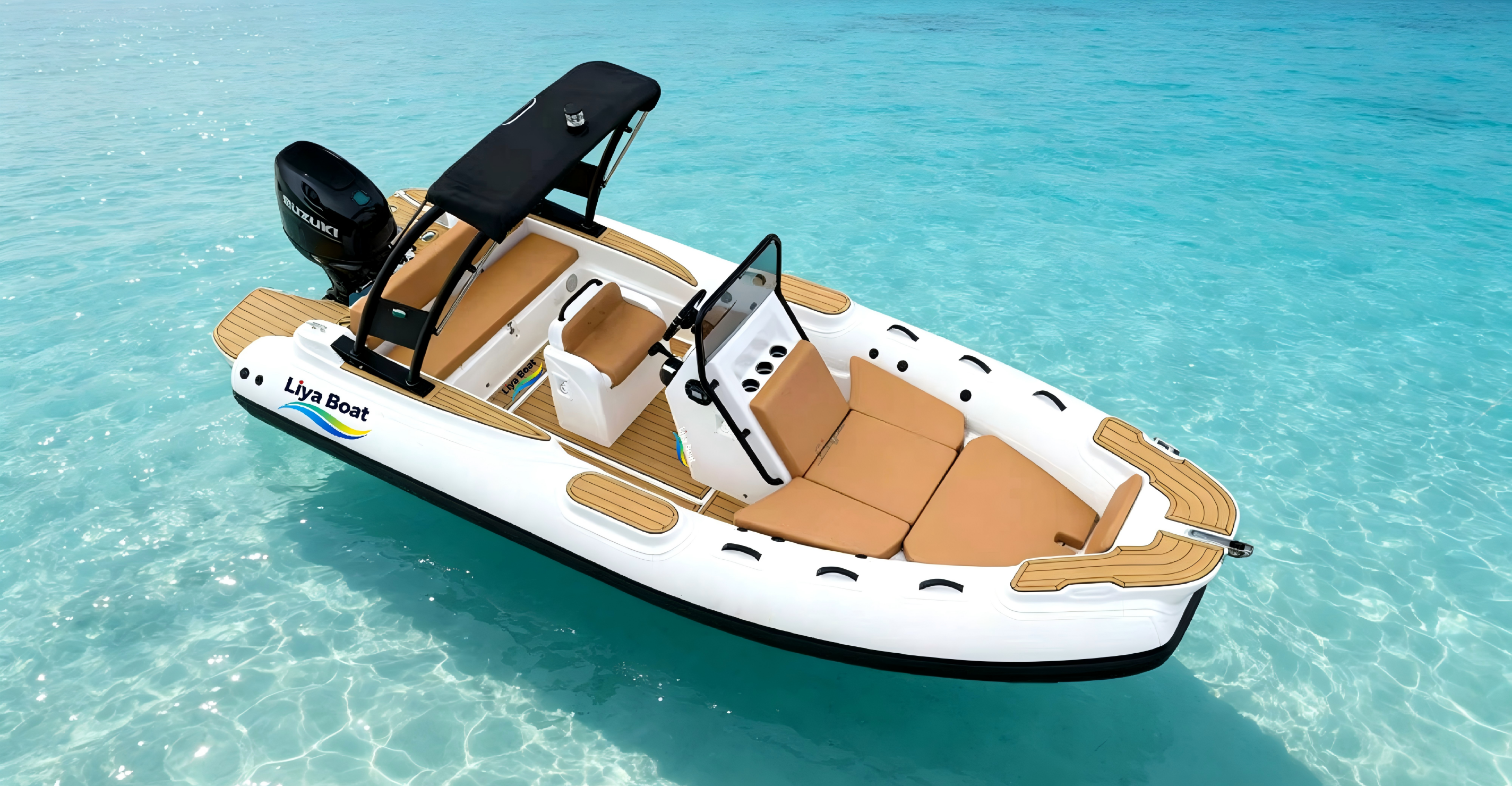 A 10-person RIB boat may sound spacious, but passenger capacity alone does not tell you how comfortable or practical the boat will be during a day on the water. Families need places to sit and store their belongings, fishing enthusiasts need room to handle equipment, and recreational operators want
 -
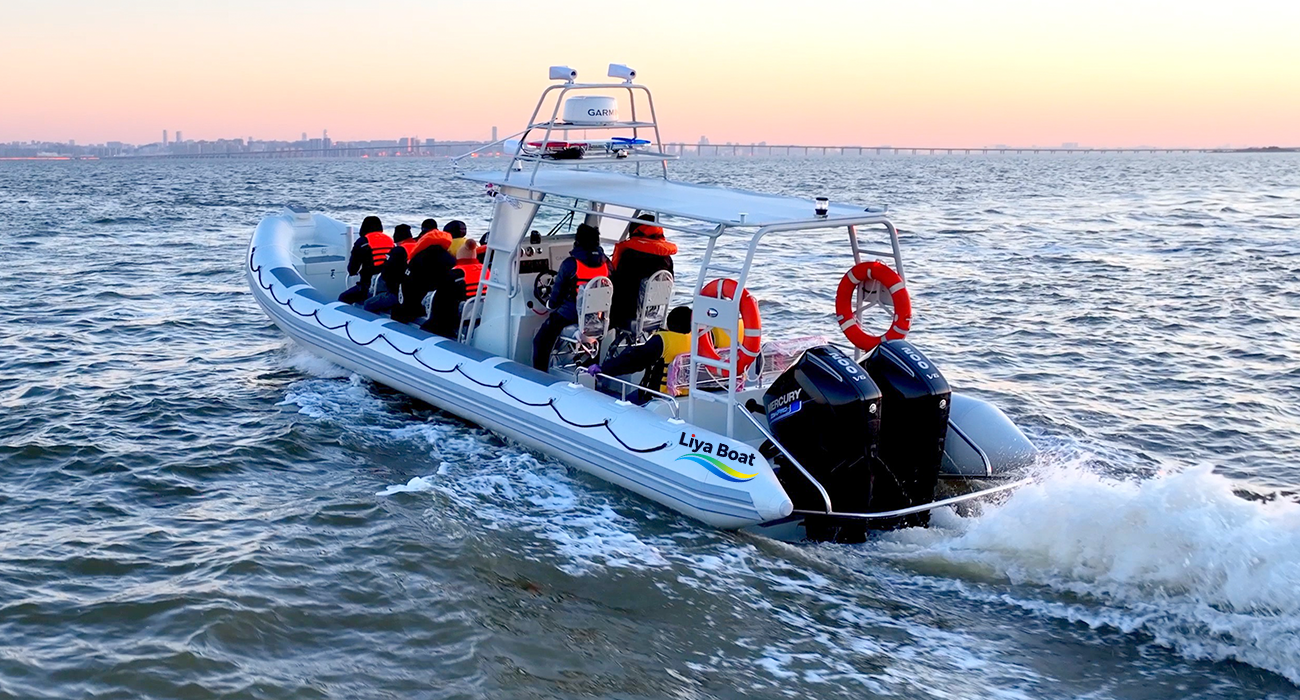 Choosing the hull material is one of the main decisions when buying a rigid-hull inflatable boat. Aluminum and fiberglass are both widely used for RHIBs, and both can support patrol, rescue, workboat, tender and recreational applications.The main differences lie in how the hull is made, how it respo


