


- Home
- About Liya
- Liya Boats
- Luxury RIB Boats-Fiber Hull
- 8.3m/27Ft Cabin RIB Boat
- 8m/26Ft Sport Fiber RIB Boat
- New 7.5m/25Ft luxury Italy style RIB Boat
- Classic 7.5m/25Ft Rigid Inflatable Boat
- New 6.6m/22Ft Sport RIB Boat
- Classic 6.6m/22Ft Inflatable RIB Boat
- 6.2m/20Ft RIB Fishing Boat
- 5.8m/19Ft Fiberglass hull RIB
- 5.2m/17Ft RIB Boat
- 4.3m/14Ft Yacht Tender RIB Dinghy
- 4.3m/14Ft Center Console RIB Boat
- 3.8m/12.5Ft High Speed RIB Tender
- 3.3m/11Ft RIB Dinghy
- 8.3m/27Ft Cabin RIB Boat
- Open Deck RIBs-Fiber Hull
- Aluminum Hull RIB Boats
- 8-10M Aluminum Patrol RIB
- 7m/23Ft Aluminum RIB Yacht Tender
- 6.6m/22Ft Rigid Aluminum Hull RIB Boat
- 6.2m/20Ft Aluminum RIB Boat with Motor
- 5.8m/19Ft Aluminum Hull RIB Tender Boat
- 5.8-7.5M Transportation RIB
- 5.2m/17Ft Aluminum RIB Center Console Boat
- 4.3m/14Ft Aluminum RIB Dinghy For Sale
- 2.4-5.2m/8-17Ft Aluminum RIB Dinghy
- 8-10M Aluminum Patrol RIB
- Work RHIB-Rescue & Patrol RIBs
- 27Ft Aluminum Patrol Boat Polyurea-EVA Collar Deep-V Hull
- 9-10m/29-34Ft Aluminum Patrol RIB Boat
- Professional 8.3m Heavy-Duty Patrol RIB Boat|Fast-Response,12-Person,CE Certified
- 7.9m/26Ft RHIB for Patrol
- 6.6m/22Ft Black RIB Boat
- 5.8-7.5m/19-25ft Heavy Duty RIB Patrol & Work Boat
- 5.8-7.5m/19-25Ft Aluminum RIB Work Boat
- 27Ft Aluminum Patrol Boat Polyurea-EVA Collar Deep-V Hull
- Fiberglass Boats/Fishing Boats
- 7.6m/25Ft Fiberglass Panga Boat for Fishing
- Liya 45ft Fiberglass Cabin Fishing Boat Passenger Tour Vessel
- 9.18m/30Ft Fiberglass Cabin Fishing Boat
- 6.6m/22Ft Fiberglass Panga Skiff Boat
- 6m/20Ft Center Console Fishing Boat
- 5.8m/19Ft Center Console Panga Fishing Boat
- 5m/16.5Ft Economical Fiberglass Boat
- 7.6m/25Ft Fiberglass Panga Boat for Fishing
- Ferry & Transportation Boats
- Fully Inflatable Boats
- Luxury RIB Boats-Fiber Hull
- Application
- Hot Sale
- News
- Feature & Service
- Work RHIBs
- Contact Liya


Inquire
A Panga Boat is a practical answer for owners who need one hull to cover fishing, family trips, nearshore work, and coastal transport. Its appeal is not a fashionable cabin or a single-purpose deck plan; it is the combination of a high bow, efficient hull, open working space, and straightforward ownership. The right choice, however, depends on where you run, how many people and how much gear you carry, and the conditions you will accept. This guide turns those questions into a clear buying process.
Key Takeaways
Start with operating water and mission, then choose length, hull form, deck layout, power, and options.
A Panga Boat should be judged as a complete system: hull, load, engine, fuel, safety gear, trailer, and local service.
Ask for documented specifications and make any optional fishing, shade, seating, or commercial equipment part of the quotation.
What defines a Panga Boat?
The original panga concept developed as a simple, economical working boat for coastal use. Modern interpretations vary, but the useful characteristics remain recognizable: a relatively narrow and efficient hull, a raised bow, an open deck, outboard power, and a layout that can be adapted for fishing, transport, diving, recreation, or light utility work. A Panga Boat is therefore a type of platform rather than one fixed model.
For buyers, that flexibility is valuable only when it matches the intended route. A hull that is comfortable around protected bays may need more bow height, freeboard, or a deeper entry before it is suitable for exposed coastal runs. Conversely, an owner who mostly launches on calm inland water may value shallow draft, low weight, and easy trailering more than offshore-oriented features. Describe your normal use honestly before comparing brochures.
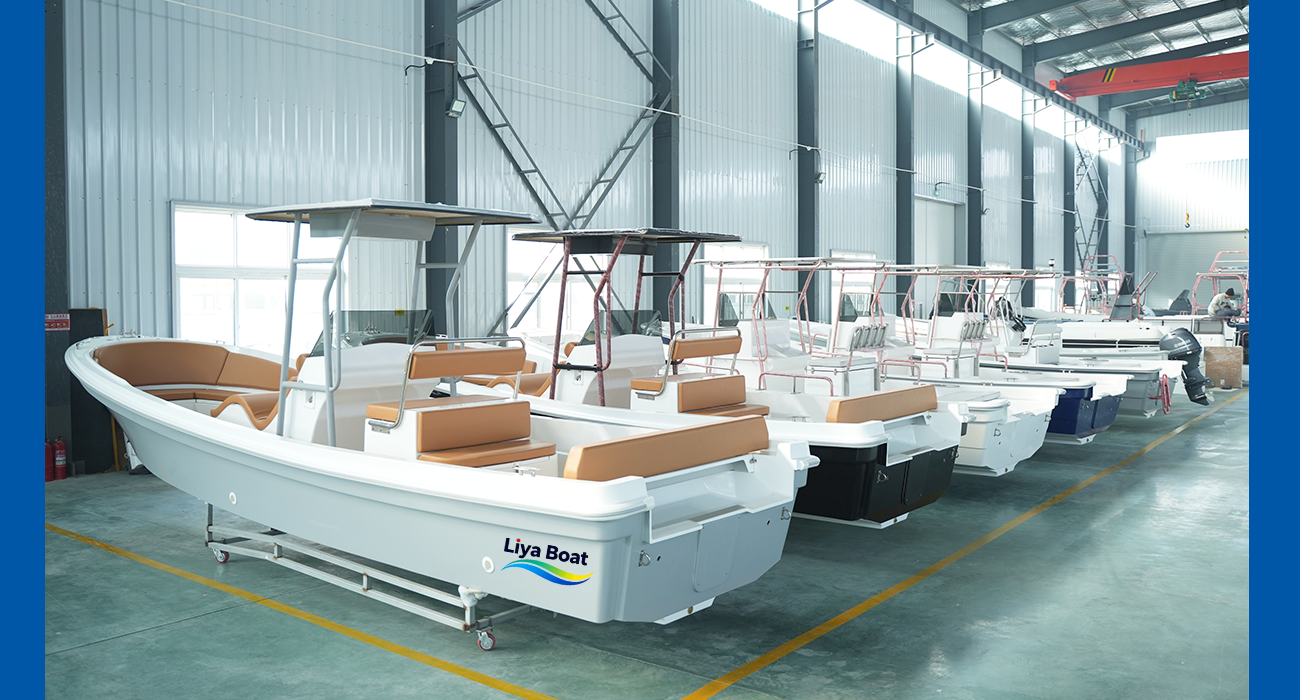
Liya Boat offers panga models within its fiberglass fishing boat range, including boats configured around fishing, passenger use, and leisure. The published 25-foot center-console Panga combines an FRP hull and PVC-core deck with an open, self-draining deck, illustrating how the layout can support several coastal tasks without pretending to be a cabin cruiser.
Define your water, route, and workload first
The first decision is not brand or color. It is the water you will cross. Write down the farthest normal distance from shelter, the typical wind and chop, launch method, crew experience, and whether the boat will return after dark. These answers establish the minimum sensible hull, capacity, fuel plan, and safety equipment.
An inshore fishing owner may prioritize casting room, a livewell, rod holders, and a compact engine. A charter, transfer, or tourism operator may instead need durable seating, handrails, shade, boarding aids, and a layout that lets passengers move safely. Offshore anglers usually place a greater premium on a protective bow, freeboard, drainage, predictable handling in chop, secure storage, and adequate range. A single Panga Boat can serve more than one mission, but only if its configuration is chosen around the most demanding routine use.
Also distinguish a fair-weather aspiration from an operating requirement. “Offshore capable” is not a substitute for local weather limits, seamanship, safety equipment, or a conservative go/no-go decision. The boat, engine, operator, and plan have to work together.
Choose hull style and construction with intent
Hull geometry shapes ride, stability, draft, and efficiency. A deeper-V entry generally helps a boat meet chop more softly than a flatter form, while a moderate or flatter aft section can contribute to low-speed stability and efficiency. The correct balance depends on your usual sea state, speed, payload, and tolerance for spray. Do not choose solely from a single deadrise number: hull length, bow shape, chine design, weight distribution, and operating speed matter too.
Fiberglass is common for a Panga Boat because it can create a smooth, durable hull shape and accommodate molded storage or seating. Quality questions should go beyond gelcoat appearance. Ask about laminate method, core materials, transom reinforcement, stringers, drainage, fittings, and how the builder prevents water from being trapped where it should not be. A well-designed fiberglass panga boat should also be easy to inspect, clean, and maintain in the way you actually use it.
For example, the published 25-foot Deep-V Panga Boat is described as using vacuum-infused fiberglass, a PVC-core deck, and foam-filled stringers. Those are useful construction details to verify in a model-specific specification, alongside the load rating and any applicable certification. They are not a reason to skip a practical inspection or to assume every option is included.

Select the right size and deck layout
Length is a shortcut, not a complete specification. A 19-foot boat and a 25-foot boat differ in more than deck length: the larger hull may carry more people, fuel, fishing equipment, and offshore reserve, but it can also require a larger tow vehicle, berth, engine, and budget. Beam, freeboard, internal deck space, and rated capacity often matter as much as the headline length.
Walk through a typical day before you buy. Where does the anchor live? Can two anglers pass the console with rods in hand? Is there a dry place for electronics and personal items? Can a passenger brace safely when the boat turns? Will a full livewell, cooler, batteries, and fuel change the usable floor area? A center console panga boat offers walkaround access and clear helm sightlines, but its console must be sized to leave practical side passages.
The comparison below is a selection framework, not a substitute for a model’s approved rating or local requirements.
Buyer profile | Useful starting configuration | Questions to confirm |
|---|---|---|
Inshore angler | Compact open deck, rod storage, livewell provision | Draft, casting access, trailer width, washdown |
Coastal family | Protective seating, shade, boarding ladder | Passenger rating, handholds, storage, sun cover |
Offshore-minded angler | Deep-V panga boat, higher bow, fuel reserve | Weather limits, drainage, engine rating, safety plan |
Transport or tourism operator | Durable seating and easy boarding | Local regulations, passenger layout, cleaning, spares |
Liya Boat’s 25-foot fiberglass Panga is published with a 10-person capacity, 115 HP recommended power, and options such as a T-top, leaning post, and livewell. That is a useful example of why a buyer should specify the mission at quotation stage; the same base hull can be equipped very differently for a fishing crew and for family day use.
Match engine, fuel, and payload
Outboard choice should start with the builder’s approved power range, then be tested against real payload. A lightly loaded demonstration boat can conceal a poor match for a boat carrying people, ice, dive equipment, bait, batteries, and fuel. An engine that is too small may struggle to plane a full load; an engine at the maximum approved rating may be unnecessary for a light, calm-water mission and can increase acquisition and fuel cost.
Ask the supplier for the boat’s dry weight, rated load, recommended and maximum power, shaft length, fuel tank capacity, and expected equipment weight. Build a simple load sheet using people, fuel, water, batteries, safety gear, trailerable equipment, and fishing kit. Fuel weight changes with tank volume, so use the fuel type and capacity shown for the specific boat rather than guessing. Keep margin instead of treating the capacity plaque as a target.
Range planning follows the same discipline. Do not purchase based on a claimed cruising range without knowing the speed, sea condition, engine, propeller, payload, and reserve behind it. Start with your route and return margin, then choose tank capacity and engine setup accordingly. Published model details are a starting point for the final configuration discussion, not a universal operating promise.
Plan safety, ergonomics, and weather protection
A Panga Boat earns its keep through routine use, so comfort and safety are not decorative extras. Consider non-slip deck treatment, self-draining design, grab rails, navigation lights, bilge arrangements, battery isolation, fire protection where applicable, proper ventilation, and secure stowage. Select life jackets and emergency equipment for local rules and the people on board. Confirm that any optional T-top, canopy, rail, or seat does not compromise access, visibility, or trailer height.
At the helm, test sightlines standing and seated. Make sure switches, engine controls, screens, and VHF equipment can be reached without abandoning control. Passages around the console should be wide enough for normal movement but not so open that passengers have no secure handhold. If the boat will carry children, older guests, or paying passengers, boarding and seating deserve more attention than a showroom photo suggests.
Compare quotations on total ownership value
Panga boat price is meaningful only when the quotation describes the same delivered boat. Compare hull construction, standard equipment, engine and rigging, electronics, trailer, freight, import costs, commissioning, optional equipment, warranty, documentation, and expected service support. A lower base price may omit items that the first season requires.
Request a written option list with quantities and model references. Clarify whether the price includes steering, controls, propeller, fuel system, batteries, bilge pumps, navigation lights, upholstery, safety rails, and export packing. For an imported boat, identify who handles documents, shipping insurance, local registration, handover, and warranty coordination. If the use is commercial, check the relevant authority’s requirements before the order is finalized.
The supplier relationship matters after delivery. The product collection provides a useful starting point for comparing related fiberglass, panga, and RIB platforms, but buyers should still ask for the exact drawing, equipment schedule, and final technical data for the selected model.
A practical pre-order process
Begin with a written mission brief and send it to every supplier. Include location, people carried, likely load, operating season, maximum typical distance, tow and storage limits, engine preference, and required options. Review responses against the same checklist, not against sales language. If possible, inspect a comparable completed hull, ask how service questions are handled, and arrange a sea trial or obtain detailed operating information for the specific configuration.
Before paying a deposit, make the signed specification control the order. It should identify the model, hull color, construction, engine interface, included equipment, options, delivery basis, testing, documentation, payment milestones, and warranty terms. Photographs are helpful, but a written equipment schedule is what keeps expectations aligned. A capable Panga Boat is usually simple by design; the purchase agreement should be simple to verify as well.
Inspect the finished boat before handover
Delivery is the time to compare the actual boat with the order, not merely to admire it. Use the signed specification as a checklist. Confirm the hull identification and model, the quoted engine interface, installed options, navigation lights, rails, seats, storage lids, drainage points, canvas, and any fishing equipment. Open hatches and lockers, inspect fittings, and look for a clear finish and secure fastening. If a trailer is part of the sale, examine its winch, bunks, lights, tires, brakes where fitted, and tie-down points as carefully as the boat.
Ask for manuals, warranty documentation, capacity information, and any certification or export documents relevant to the order. Have the supplier explain battery isolation, bilge pump operation, fuel shutoff, drainage, and routine maintenance. Record the answers and keep the documents with the boat. For an engine purchase, identify who performs commissioning and the first scheduled service in the place where you will operate.
If you can conduct a sea trial, use a representative load and stay within appropriate local conditions. Check steering response, helm visibility, throttle and shift operation, trim behavior, drainage, vibration, and the way equipment stays secured. A short test cannot duplicate every condition, but it can reveal an ergonomic or rigging issue before the boat begins regular service. Resolve material discrepancies in writing before final acceptance.
Conclusion
Buying a Panga Boat is a matter of matching a versatile hull to a defined operating reality. Begin with the water, workload, and people you carry. Then evaluate hull form, construction, deck plan, payload, engine, safety equipment, and total ownership cost as one decision. A compact inshore boat and a larger deep-V panga can both be excellent choices when their mission is clear. When specifications and options are documented before ordering, Liya Boat buyers can focus on building a practical boat for the routes they genuinely plan to run.
FAQs
What is a Panga Boat best used for?
A Panga Boat can suit fishing, coastal leisure, island trips, passenger work, and light utility roles. The best use depends on the hull configuration, load rating, engine, and local operating conditions.
Are panga boats suitable for offshore fishing?
Some deep-V panga configurations are intended for coastal and offshore-oriented fishing, but suitability depends on the exact hull, weather, crew, safety equipment, and route. Follow the builder’s rating and local guidance.
Should I choose a center console panga boat?
Choose a center console when walkaround fishing access, open visibility, and flexible deck movement are priorities. Confirm that the console leaves enough space and has the storage and weather protection you need.
What should be included in a Panga Boat quotation?
The quotation should state the hull model, standard equipment, options, engine-related components, trailer or shipping arrangement, documentation, warranty, and what is excluded.
How much engine power does a Panga Boat need?
Use the model-specific recommended power range, then consider your real payload and desired operating speed. Do not exceed the approved maximum or size an engine from an empty-boat demonstration alone.
Is fiberglass a good material for a panga fishing boat?
Fiberglass can provide a durable, smooth, and adaptable hull. Assess the specific builder’s laminate, core, reinforcement, drainage, repair support, and maintenance guidance rather than relying on material alone.

Welcome To Contact Us

-
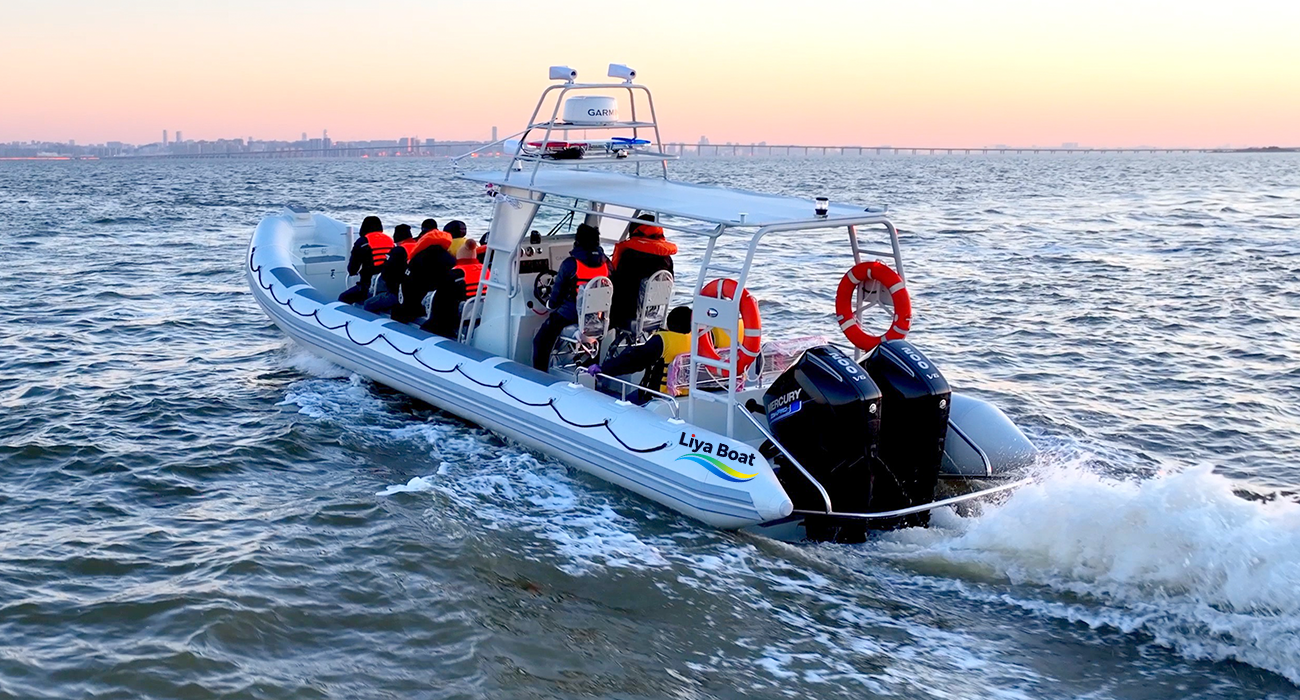 Choosing the hull material is one of the main decisions when buying a rigid-hull inflatable boat. Aluminum and fiberglass are both widely used for RHIBs, and both can support patrol, rescue, workboat, tender and recreational applications.The main differences lie in how the hull is made, how it respo
 -
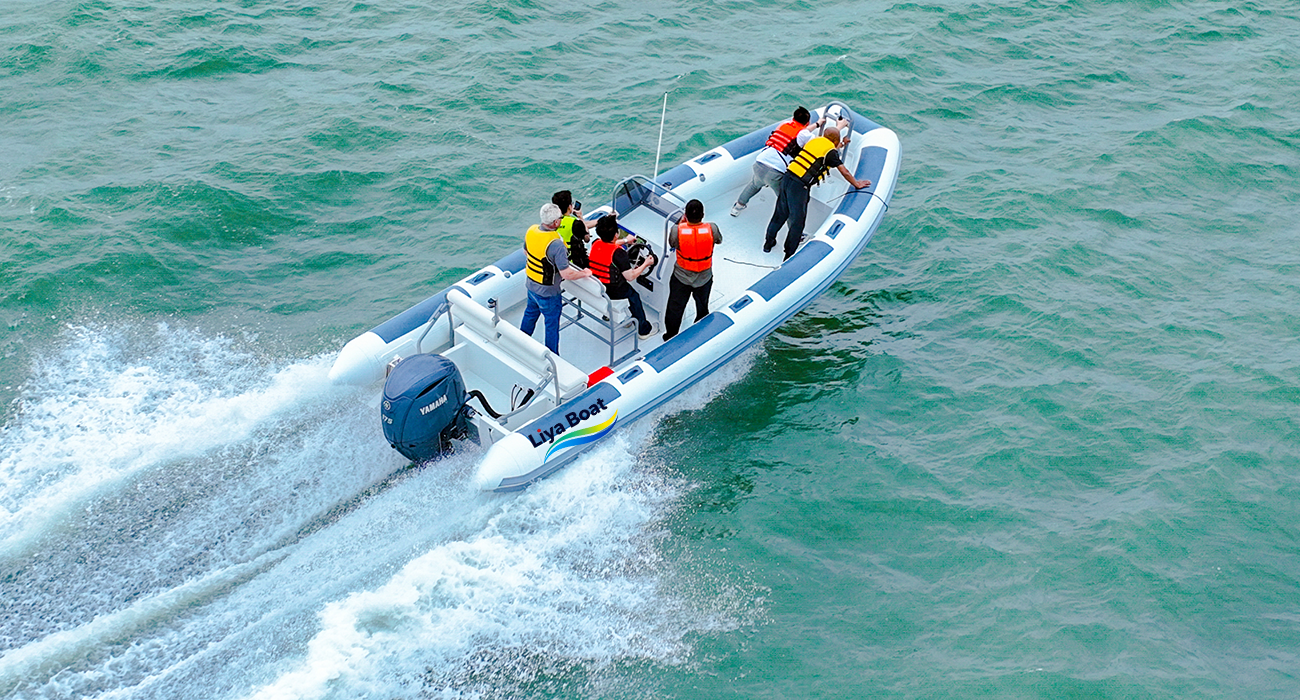 Shallow-water operation exposes a boat to risks that are less common on deeper, predictable routes: changing bottom conditions, sandbars, debris, beach landings, floating docks and low-speed contact with shore structures.
 -
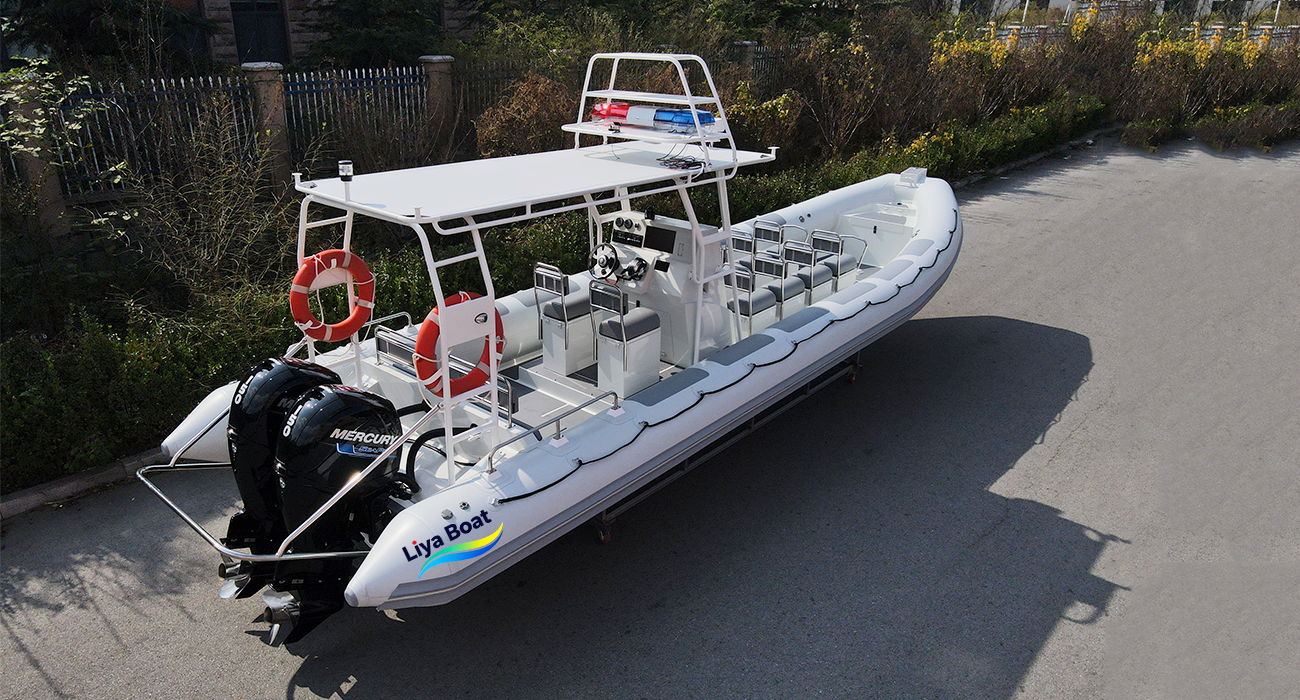 The choice between a 7m and a 10m RHIB is mainly a choice between operating roles. Both are capable Aluminum Hull RIB Boats, but they serve different needs in terms of passenger movement, deck space, route length, equipment integration and crew workflow.


