


- Home
- About Liya
- Liya Boats
- Luxury RIB Boats-Fiber Hull
- 8.3m/27Ft Cabin RIB Boat
- 8m/26Ft Sport Fiber RIB Boat
- New 7.5m/25Ft luxury Italy style RIB Boat
- Classic 7.5m/25Ft Rigid Inflatable Boat
- New 6.6m/22Ft Sport RIB Boat
- Classic 6.6m/22Ft Inflatable RIB Boat
- 6.2m/20Ft RIB Fishing Boat
- 5.8m/19Ft Fiberglass hull RIB
- 5.2m/17Ft RIB Boat
- 4.3m/14Ft Yacht Tender RIB Dinghy
- 4.3m/14Ft Center Console RIB Boat
- 3.8m/12.5Ft High Speed RIB Tender
- 3.3m/11Ft RIB Dinghy
- 8.3m/27Ft Cabin RIB Boat
- Open Deck RIBs-Fiber Hull
- Aluminum Hull RIB Boats
- 8-10M Aluminum Patrol RIB
- 7m/23Ft Aluminum RIB Yacht Tender
- 6.6m/22Ft Rigid Aluminum Hull RIB Boat
- 6.2m/20Ft Aluminum RIB Boat with Motor
- 5.8m/19Ft Aluminum Hull RIB Tender Boat
- 5.8-7.5M Transportation RIB
- 5.2m/17Ft Aluminum RIB Center Console Boat
- 4.3m/14Ft Aluminum RIB Dinghy For Sale
- 2.4-5.2m/8-17Ft Aluminum RIB Dinghy
- 8-10M Aluminum Patrol RIB
- Work RHIB-Rescue & Patrol RIBs
- 27Ft Aluminum Patrol Boat Polyurea-EVA Collar Deep-V Hull
- 9-10m/29-34Ft Aluminum Patrol RIB Boat
- Professional 8.3m Heavy-Duty Patrol RIB Boat|Fast-Response,12-Person,CE Certified
- 7.9m/26Ft RHIB for Patrol
- 6.6m/22Ft Black RIB Boat
- 5.8-7.5m/19-25ft Heavy Duty RIB Patrol & Work Boat
- 5.8-7.5m/19-25Ft Aluminum RIB Work Boat
- 27Ft Aluminum Patrol Boat Polyurea-EVA Collar Deep-V Hull
- Fiberglass Boats/Fishing Boats
- 7.6m/25Ft Fiberglass Panga Boat for Fishing
- Liya 45ft Fiberglass Cabin Fishing Boat Passenger Tour Vessel
- 9.18m/30Ft Fiberglass Cabin Fishing Boat
- 6.6m/22Ft Fiberglass Panga Skiff Boat
- 6m/20Ft Center Console Fishing Boat
- 5.8m/19Ft Center Console Panga Fishing Boat
- 5m/16.5Ft Economical Fiberglass Boat
- 7.6m/25Ft Fiberglass Panga Boat for Fishing
- Ferry & Transportation Boats
- Fully Inflatable Boats
- Luxury RIB Boats-Fiber Hull
- Application
- Hot Sale
- News
- Feature & Service
- Work RHIBs
- Contact Liya


Inquire
Commercial RIB boats rarely get easy days. They carry people, gear, fuel, and pressure. Salt, sun, and hard docking add more stress. For fiberglass hull RIB boats, long life comes from smart use, steady care, and correct setup. In this article, you will learn how to protect the hull, tubes, deck, engine, and fittings.

Key Takeaways
● Commercial RIB boat lifespan depends on both product build and daily operation. Even strong fiberglass hull RIB boats can age early if they are overloaded, poorly stored, or cleaned without care.
● A deep-V fiberglass hull helps reduce impact stress in choppy water, but operators still need correct trim, balanced loading, and controlled speed.
● Tube material matters. Hypalon is usually better for heavy UV, saltwater, and intensive commercial use. PVC can work well for lighter-duty use when maintained properly.
● Daily rinsing, tube pressure checks, drain cleaning, and hull inspection prevent small problems from becoming expensive repairs.
Start With the Right Commercial Specification
Match the Hull to Real Working Conditions
A longer boat life starts before the first trip. The boat must match its daily job. Passenger transfer, rescue support, patrol routes, diving, fishing, and marina service all create different stress patterns.
Fiberglass hull RIB boats are often chosen because the rigid hull gives structure, while inflatable tubes add buoyancy and side protection. For commercial use, a deep-V fiberglass hull can help the boat cut through chop more smoothly. This reduces pounding, improves control, and protects passengers during repeated trips.
Still, hull design is not a cure for poor operation. If the boat runs too fast in rough water every day, stress will build. The hull, transom, console, deck fittings, and tubes all take that force. Operators should choose a hull shape, length, and power range based on the water they actually face, not only on speed goals.
Choose Tube Material Based on Exposure
Tube material has a direct effect on service life. In strong sun, saltwater, and daily commercial duty, Hypalon is often the safer long-term choice. It has strong resistance to UV, abrasion, and marine exposure. It is useful for patrol, rescue, charter, and workboat tasks where the boat may stay outside for long periods.
PVC can also be practical. It may fit lower-intensity use, seasonal work, or tighter budgets. The key is honest planning. If the boat will work many hours each week in hot coastal conditions, the tube material should support that workload.
Use Layout as a Lifespan Tool
A poor layout creates damage. Passengers step in the wrong places. Gear slides across the deck. Divers drag tanks near the tubes. Crew may lean on handles, ropes, or fittings too often.
A commercial layout should reduce these risks. Seating, console position, storage, boarding zones, and open deck space should match the work. For example, a passenger boat needs safe movement and easy boarding. A dive boat needs tank storage and clear deck flow. A patrol boat needs quick access to gear.
Avoid Wrong Power and Load Choices
Wrong engine matching can shorten boat life. Too little power forces the engine to work hard. Too much power can stress the transom and control systems. Repeated overloading also hurts the boat. It adds drag, increases flexing, and makes the hull hit waves harder.
Operators should follow the maker’s power, passenger, and payload guidance. These limits are not only about safety. They also protect the boat from long-term fatigue.
Build a Daily Maintenance Routine
Rinse After Every Saltwater Trip
Saltwater is one of the main reasons commercial boats age early. It sits around deck fittings, seams, hinges, drains, consoles, engine mounts, and metal parts. Sand and mud make the damage worse because they act like fine abrasive material.
After each saltwater use, rinse the boat with fresh water. Focus on tubes, deck channels, drain areas, stainless fittings, tow points, ladders, and under-seat spaces. A quick rinse is better than no rinse, but a careful wash at the end of the day is best.
Use mild soap when needed. Avoid harsh cleaners, solvents, and aggressive brushes. They may damage tube fabric, coatings, cushions, or sealants.
Check Tube Pressure Before Use
Tube pressure changes with temperature. A tube may feel firm in the morning and over-pressurized under afternoon sun. It may also lose pressure overnight in colder weather.
Underinflated tubes flex more. This can increase drag and stress seams. Overinflated tubes can also strain seams, valves, and fabric. Teams should check pressure before trips and adjust it based on the operating climate.
Inspect Tubes for Early Damage
Commercial tubes suffer from docking, boarding, rubbing, sun, and gear contact. Operators should inspect high-wear zones often. These include rubbing strakes, handles, D-rings, lifelines, boarding points, and seams.
Small scratches may not stop a trip, but they should not be ignored. A small leak or seam issue can grow fast under repeated use. Early repair is cheaper than tube replacement.
Inspect the Fiberglass Hull
Fiberglass hull RIB boats need regular hull checks. Look at the keel, chines, transom, lifting points, trailer support areas, and any place that hits docks or beaches. Gelcoat cracks, impact marks, blisters, or soft spots should be recorded.
Minor surface damage can often be repaired before water enters deeper layers. If damage appears near the transom or structural areas, stop guessing. Get a professional inspection.
Keep Drains and Bilge Areas Clear
Self-draining decks are valuable in commercial use because water can leave the deck faster. They help reduce standing water, slippery surfaces, odor, mildew, and deck wear. But drains only work if they stay clear.
Leaves, sand, fish waste, rope fibers, plastic pieces, and small hardware can block drainage. Bilge areas also need checks. A working bilge pump, clean float switch, and dry wiring area help prevent bigger problems.
Control Loading and Operating Habits
Respect Passenger and Payload Limits
Overloading is one of the fastest ways to shorten a RIB boat’s life. It may not cause instant failure, but it adds stress each day. The hull rides lower. The tubes work harder. The engine burns more fuel. The transom takes more load.
Commercial teams should treat load limits as maintenance rules. Passenger numbers, fuel, rescue gear, coolers, diving tanks, anchors, and spare equipment all count. If the boat often works near its limit, it may need a larger platform.
Balance Weight Across the Boat
Weight balance affects trim. Poor trim makes the bow slam, the stern drag, or the boat lean. This adds stress and makes handling worse.
Crew should place heavy gear low and secure. Fuel load should be considered before departure. Passengers should not all crowd one side. On long routes, operators should adjust speed and trim when sea conditions change.
Train Operators to Dock and Beach Carefully
Many commercial RIB boats are damaged by small repeated impacts, not one major accident. Hard docking, careless beaching, dragging, and rubbing against rough surfaces can damage tubes and fittings.
Use fenders. Approach docks slowly. Avoid sharp edges. Do not drag the boat across rough ground. If beach landing is part of the job, use a planned method and inspect the keel area often.
Secure All Equipment
Loose gear is a hidden threat. Anchors, tanks, tools, batteries, coolers, and spare parts can slide or bounce. They can scratch fiberglass, dent fittings, tear cushions, and damage tube fabric.
Use straps, lockers, non-slip mats, and storage bins. The deck should be clear before the boat leaves. This protects both the boat and the crew.
Protect Tubes, Fittings, and Deck Surfaces
Reduce UV Exposure
Sunlight ages tube fabric, cushions, ropes, and coatings. If a boat stays outside every day, UV protection becomes part of the maintenance plan.
Use breathable covers when the boat is not in service. Store it in shade when possible. Apply tube-safe UV protectants based on material guidance. Avoid products that leave slippery residue on boarding areas.
Maintain Rubbing Strakes and Handles
Rubbing strakes, handles, lifelines, and boarding points take heavy abuse in commercial work. They protect the boat, but they also wear down.
Check them during weekly inspections. Loose handles and damaged strakes should be fixed before they fail. Replacing a worn protective part is far cheaper than repairing tube fabric beneath it.
Avoid Fuel and Chemical Damage
Fuel spills, oil, strong detergents, and solvents can damage tube materials and deck finishes. They may also leave stains or weaken adhesives.
Create a simple fueling process. Keep absorbent pads nearby. Clean spills fast. Use cleaners made for marine surfaces and inflatable boat materials.
Tip: Keep one approved cleaning kit on board, so crew members do not use harsh shop chemicals.
Maintain Engine, Fuel, Steering, and Electrical Systems
Service by Engine Hours
Commercial boats need hour-based service. Calendar-based habits are not enough when a boat works many days each week.
The service plan should include engine oil, gear oil, filters, spark plugs, cooling system checks, impeller checks, and propeller inspection. Saltwater engines also need flushing after use. A clean cooling system helps prevent overheating and costly downtime.
Inspect Fuel Systems
Fuel problems can stop a boat and create safety risks. Check tanks, hoses, vents, caps, filters, and connections. Look for cracks, smell, leaks, loose clamps, or water contamination.
Commercial boats may carry more fuel or run longer routes. That makes fuel planning important. Old fuel, dirty tanks, and blocked vents can cause hard starts, power loss, or engine damage.
Check Steering and Electrical Parts
Steering, throttle, controls, lights, bilge pumps, radios, and batteries all face moisture and vibration. Salt speeds corrosion. Vibration loosens fittings and terminals.
Use regular checks. Clean terminals. Protect connections when suitable. Test navigation lights and bilge pumps before trips. Replace weak batteries before they fail in service.
Store the Boat Correctly Between Work Periods
Support the Hull Properly
Storage can damage a boat if support is poor. Fiberglass hull RIB boats need correct trailer or cradle support. Bad support points can create hull pressure, transom stress, or shape distortion.
Rollers, bunks, and cradles should match the hull. The boat should sit evenly. During long storage, inspect support points and avoid leaving heavy gear aboard.
Reduce Tube Stress
For long storage, tube pressure should be managed. Full overpressure is not ideal, especially where temperatures change. Full deflation may also create creases or poor support.
Keep enough pressure to hold shape, then adjust as needed. Store away from sharp objects, rodents, chemicals, and direct heat. A dry and ventilated area is better than a sealed damp space.
Prepare Fuel and Battery Systems
If the boat will sit unused, prepare fuel and batteries. Depending on the engine and storage length, this may mean fuel stabilizer, draining, or tank management. Batteries should be charged, disconnected, or removed based on the storage plan.
Moisture control also matters. Open lockers to dry. Remove wet ropes and life jackets. Clean the deck before covering the boat.
Use Records to Extend Service Life
Create Pre-Trip and Post-Trip Checklists
A checklist makes maintenance consistent. It should cover tube pressure, visible tube damage, hull condition, drain plugs, bilge pump, engine start, fuel level, steering, safety gear, and passenger load.
Post-trip checks should cover rinsing, drain cleaning, new damage, fuel notes, and gear storage. This process prevents small issues from being forgotten.
Keep a Maintenance Log
A maintenance log helps teams make better decisions. Track engine hours, repairs, tube patches, hull repairs, battery changes, fuel issues, and fitting replacements.
The log also supports resale value. A buyer trusts a boat more when records show steady care. For fleets, records reveal patterns. If one boat gets repeated tube damage, the cause may be docking, layout, or operator habits.
Schedule Professional Inspections
High-use boats need expert review. A technician can inspect hull structure, transom strength, tube seams, electrical systems, fuel systems, steering, and engine condition.
This is especially useful before busy seasons, after impact events, or before renewing a commercial contract. It reduces surprise downtime and protects the vessel’s working value.
Conclusion
Improving commercial RIB boat lifespan starts with the right build, then continues through careful use and steady maintenance. Liya offers fiberglass hull RIB boats designed for durability, stable handling, flexible layouts, and demanding marine work. Its deep-V hulls, tube options, self-draining decks, and customization support help operators gain safer use, lower downtime, and longer service value.
FAQS
Q: What shortens fiberglass hull RIB boats’ lifespan most?
A: Overloading, poor rinsing, UV exposure, hard docking, and missed inspections damage fiberglass hull RIB boats fastest.
Q: How often should commercial RIB tubes be checked?
A: Check pressure before each trip and inspect seams, valves, and rubbing areas weekly.
Q: Why choose fiberglass hull RIB boats for commercial use?
A: Fiberglass hull RIB boats offer stable handling, strong hull support, buoyancy, and good comfort in choppy water.
Q: Are Hypalon tubes worth the higher cost?
A: Yes, for heavy sun, saltwater, and daily use, Hypalon often gives better long-term value.
Q: How can I reduce repair costs?
A: Use checklists, rinse daily, log service hours, secure gear, and repair small damage early.

Welcome To Contact Us

-
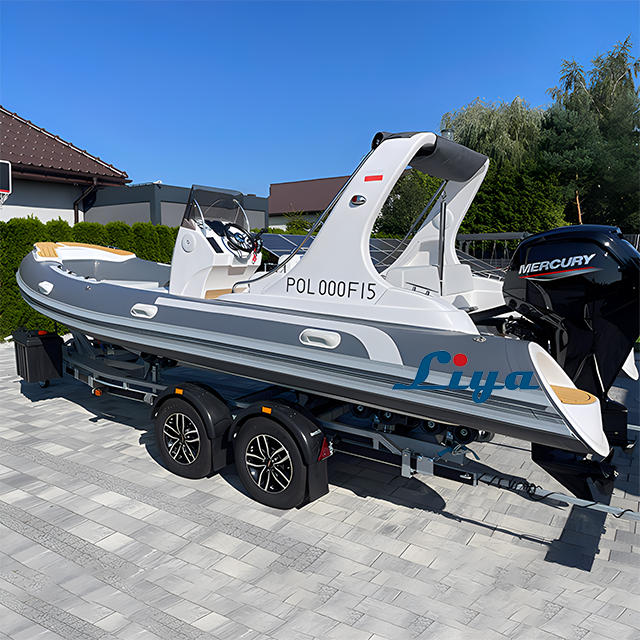 Luxury on the water is not only about looks. It is about comfort, safety, and smart use of space. For families and charter teams, fiberglass hull RIB boats offer a strong mix of performance, style, and daily practicality.In this post, we will discuss how luxury RIB boats support family recreation an
 -
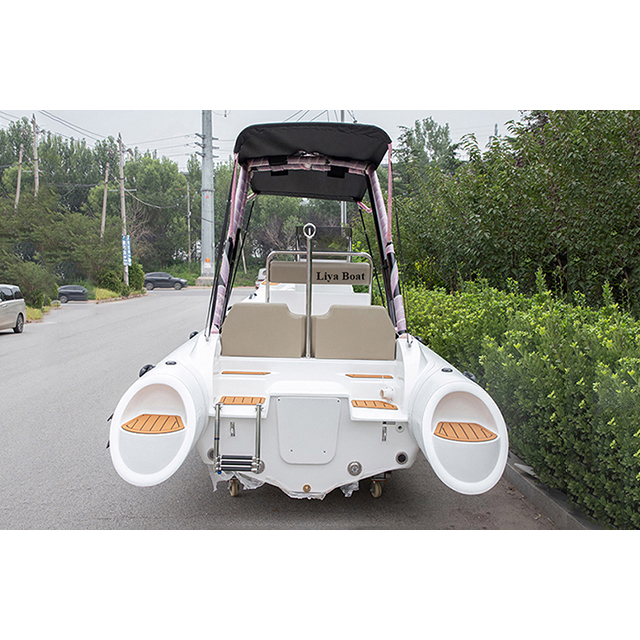 A RIB boat can look spacious at the dock, yet feel crowded on the water. Why? Passenger capacity changes more than seat count. It affects weight, balance, speed, comfort, and safety. In this article, you will learn how capacity shapes fiberglass hull RIB boats from hull design to seating, power, dec
 -
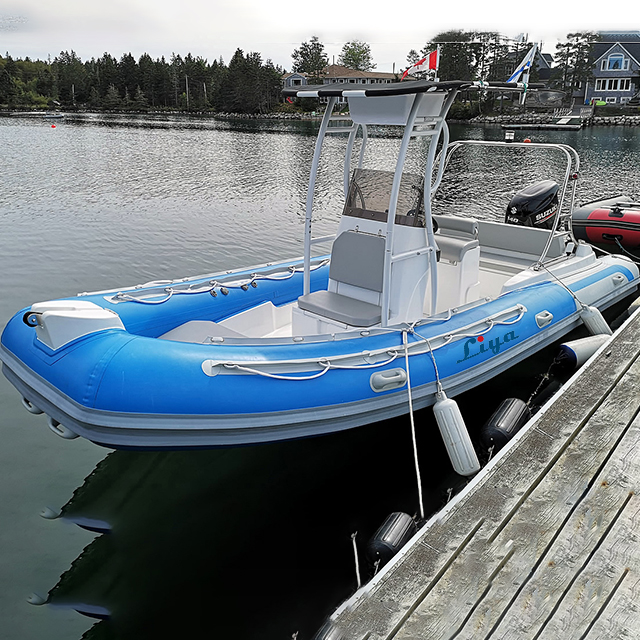 A luxury RIB should feel calm, not cramped. It should move fast, yet keep guests relaxed. For buyers comparing fiberglass hull RIB boats, comfort is often the feature that decides real value.Comfort is not only soft cushions. It starts with hull design, deck layout, safety, and smart onboard details


