


- Home
- About Liya
- Liya Boats
- Luxury RIB Boats-Fiber Hull
- 8.3m/27Ft Cabin RIB Boat
- 8m/26Ft Sport Fiber RIB Boat
- New 7.5m/25Ft luxury Italy style RIB Boat
- Classic 7.5m/25Ft Rigid Inflatable Boat
- New 6.6m/22Ft Sport RIB Boat
- Classic 6.6m/22Ft Inflatable RIB Boat
- 6.2m/20Ft RIB Fishing Boat
- 5.8m/19Ft Fiberglass hull RIB
- 5.2m/17Ft RIB Boat
- 4.3m/14Ft Yacht Tender RIB Dinghy
- 4.3m/14Ft Center Console RIB Boat
- 3.8m/12.5Ft High Speed RIB Tender
- 3.3m/11Ft RIB Dinghy
- 8.3m/27Ft Cabin RIB Boat
- Open Deck RIBs-Fiber Hull
- Aluminum Hull RIB Boats
- 8-10M Aluminum Patrol RIB
- 7m/23Ft Aluminum RIB Yacht Tender
- 6.6m/22Ft Rigid Aluminum Hull RIB Boat
- 6.2m/20Ft Aluminum RIB Boat with Motor
- 5.8m/19Ft Aluminum Hull RIB Tender Boat
- 5.8-7.5M Transportation RIB
- 5.2m/17Ft Aluminum RIB Center Console Boat
- 4.3m/14Ft Aluminum RIB Dinghy For Sale
- 2.4-5.2m/8-17Ft Aluminum RIB Dinghy
- 8-10M Aluminum Patrol RIB
- Work RHIB-Rescue & Patrol RIBs
- 27Ft Aluminum Patrol Boat Polyurea-EVA Collar Deep-V Hull
- 9-10m/29-34Ft Aluminum Patrol RIB Boat
- Professional 8.3m Heavy-Duty Patrol RIB Boat|Fast-Response,12-Person,CE Certified
- 7.9m/26Ft RHIB for Patrol
- 6.6m/22Ft Black RIB Boat
- 5.8-7.5m/19-25ft Heavy Duty RIB Patrol & Work Boat
- 5.8-7.5m/19-25Ft Aluminum RIB Work Boat
- 27Ft Aluminum Patrol Boat Polyurea-EVA Collar Deep-V Hull
- Fiberglass Boats/Fishing Boats
- 7.6m/25Ft Fiberglass Panga Boat for Fishing
- Liya 45ft Fiberglass Cabin Fishing Boat Passenger Tour Vessel
- 9.18m/30Ft Fiberglass Cabin Fishing Boat
- 6.6m/22Ft Fiberglass Panga Skiff Boat
- 6m/20Ft Center Console Fishing Boat
- 5.8m/19Ft Center Console Panga Fishing Boat
- 5m/16.5Ft Economical Fiberglass Boat
- 7.6m/25Ft Fiberglass Panga Boat for Fishing
- Ferry & Transportation Boats
- Fully Inflatable Boats
- Luxury RIB Boats-Fiber Hull
- Application
- Hot Sale
- News
- Feature & Service
- Work RHIBs
- Contact Liya


Inquire
A RIB boat can look spacious at the dock, yet feel crowded on the water. Why? Passenger capacity changes more than seat count. It affects weight, balance, speed, comfort, and safety. In this article, you will learn how capacity shapes fiberglass hull RIB boats from hull design to seating, power, deck layout, and daily use.
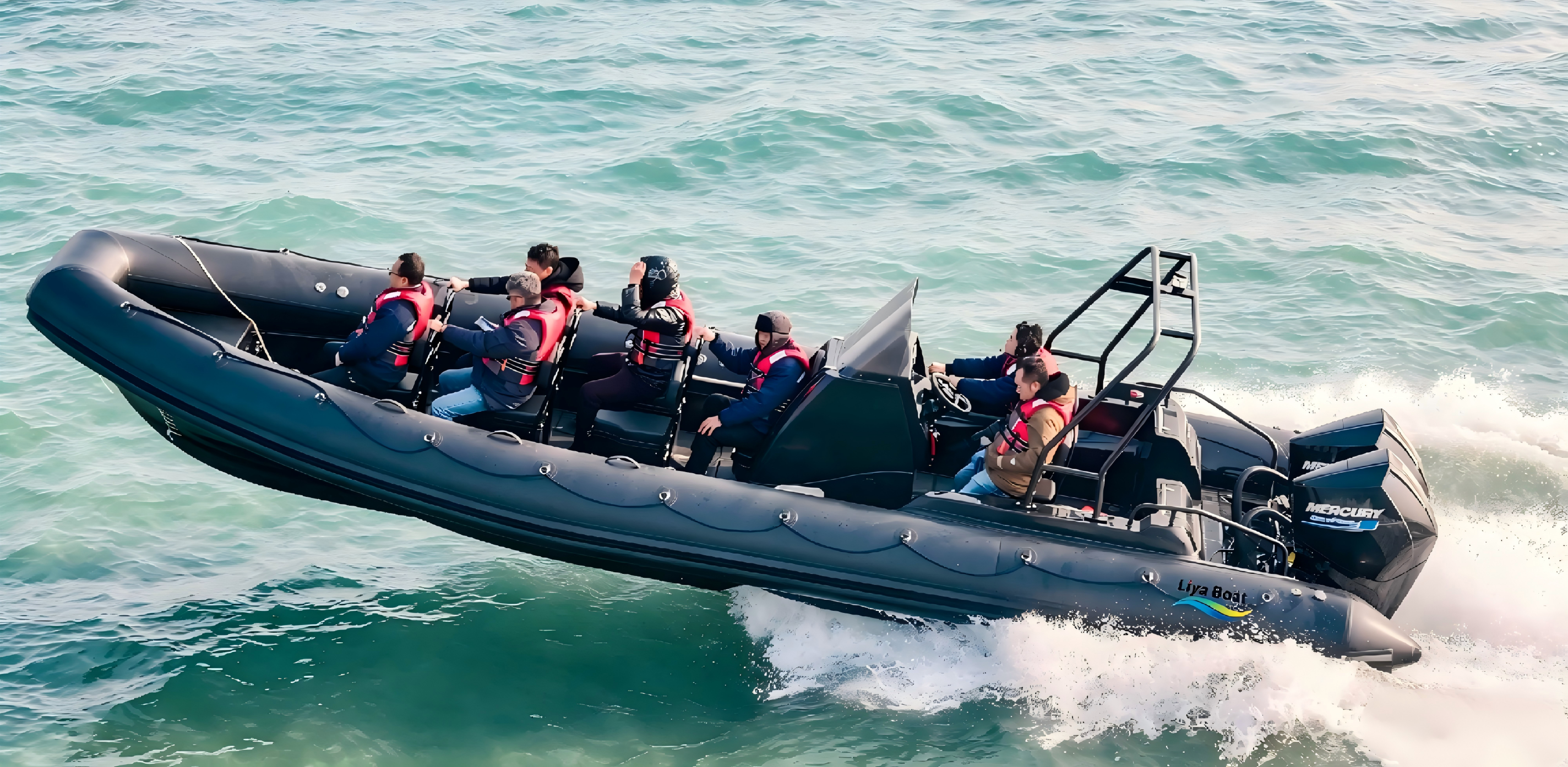
Why Passenger Capacity Is a Core Design Requirement in RIB Boats
Passenger capacity is not a simple number printed on a specification sheet. It decides how the boat should be built, how it should move, and how safe it feels under load. A RIB designed for six people has very different needs from one built for twelve or sixteen passengers.
The first impact is size. More people need more usable deck area. They also need safe boarding points, enough handholds, and space to sit or stand without blocking the operator. If the hull is too small for the intended load, the boat may still float, but it may not perform well.
Capacity also means payload. Each passenger adds weight, but so does fuel, luggage, coolers, fishing gear, rescue tools, diving equipment, and safety equipment. A boat used for tourism or transport rarely carries only people. It must handle real working weight.
Weight distribution is another key point. Too much weight at the stern can make planing harder. Too much weight at the bow can create a wet, uncomfortable ride. Uneven side weight can affect turning and stability. Good RIB design spreads people and equipment in a balanced way.
Passenger capacity also changes the boat’s mission. A family leisure boat may need sun pads and storage. A sightseeing boat may need open deck space and easy boarding. A patrol boat may need secure seats and fast access to gear. A rescue boat may need working room instead of comfort seating.
Tip:Plan capacity around the normal daily load, not the highest number you may carry once or twice a year.
How Passenger Capacity Shapes Fiberglass Hull Design
The hull carries the main structure of the boat. In fiberglass hull RIB boats, the hull must support passengers, deck fittings, engine load, fuel, and equipment. It also controls how the boat rides in calm water, chop, and rougher coastal conditions.
As passenger count increases, hull length and beam become more important. A longer hull creates more deck space. A wider beam improves stability and allows better seating layouts. This is especially useful when passengers need to move around, board from the side, or carry personal items.
The hull form also matters. Deep-V fiberglass hulls are often used when comfort and seakeeping are important. They help the boat cut through waves instead of slapping hard across the surface. This can reduce impact for passengers and improve confidence during longer trips.
However, design is always a balance. A sharper deep-V may improve ride comfort in chop, but it may need more power to lift a heavy passenger load. A flatter hull may feel stable at rest, but it may ride harder in waves. The right hull depends on capacity, speed expectations, and water conditions.
A fiberglass hull also gives designers more freedom. It can support fixed consoles, storage boxes, fuel tanks, swim platforms, seating bases, and deck structures. This makes it useful for boats where passenger layout needs to stay clean and organized.
For higher-capacity RIBs, hull stiffness becomes even more important. The deck should not feel weak under passenger movement. Seats should stay secure. Storage should not reduce structural strength. A strong fiberglass hull helps the boat keep its shape under load.
Note:A rated passenger number should always be read together with payload, fuel load, engine weight, and operating waters.
Deck Layout: Turning Passenger Numbers into Usable Space
Deck layout turns capacity into real comfort. A boat may be rated for many people, but if the deck is poorly arranged, passengers will feel crowded. They may block the helm, step over gear, or struggle to move safely.
Open deck layouts work well when flexibility matters. They allow passengers, crew, or equipment to be placed according to the trip. This is helpful for transport, sightseeing, coaching, rescue, and general work use. Open space also makes cleaning and boarding easier.
Console placement is one of the biggest layout choices. A center console gives the operator clear visibility and allows movement around both sides. A side console can open more usable deck space. A rear console may suit some transport or work layouts. The right choice depends on how passengers board, where they sit, and how the boat is used.
Storage becomes more important as capacity increases. Life jackets, ropes, anchors, bags, fishing tools, and emergency items need proper places. Loose gear creates trip risks. It can also shift during turns or sudden stops.
Self-draining decks are also valuable for busy RIBs. When many passengers board after swimming, sightseeing, fishing, or rescue work, water can build up quickly. A self-draining deck helps remove water and keeps the floor safer.
The goal is not just to fit people. The goal is to let them move, sit, board, and exit safely. A smart deck layout protects performance and improves the passenger experience.
Seating Design: Comfort, Safety, and Space Efficiency
Seating is where passenger capacity becomes visible. More seats can increase capacity, but they can also reduce movement space. Fewer seats may improve comfort, but they may limit commercial use. The best layout depends on trip type and water conditions.
Bench seats are common when designers want to maximize people on board. They are practical for short transfers, leisure rides, sightseeing, and calm-water use. They can also include storage underneath, which helps keep the deck cleaner.
Jockey seats are different. They offer more body support at speed and in rougher water. They are useful for patrol, training, rescue, and offshore work. The trade-off is space. Jockey seats usually take more room per person than bench seating.
Leisure RIBs may use sun pads, lounge seating, tables, and swim platforms. These features improve comfort but reduce pure passenger density. They are ideal when the boat is used for family trips, cruising, or relaxed coastal recreation.
Removable seating can solve many problems. It allows one boat to serve several roles. A buyer may use the boat for fishing during one season and family cruising during another. Adjustable seating also helps operators adapt to different passenger groups.
Seat placement must also support balance. Heavy seating too far aft can make the stern sit low. Too many passengers forward may cause spray and rougher handling. A good layout keeps the operator in control and passengers secure.
Tip:Before choosing a seating plan, map where passengers will sit, where gear will go, and how people will board.
Engine Power and Fuel Capacity for Different Passenger Loads
Passenger capacity directly affects engine choice. A lightly loaded RIB may plane quickly with moderate power. The same boat, full of passengers and gear, may need more time to lift, turn, and cruise efficiently.
This is why power should be judged under full-load use. Empty-boat speed can be misleading. A boat that feels fast during testing may feel slow when it carries passengers, fuel, and equipment. Practical power reserve matters more than the top speed shown in ideal conditions.
More passengers also increase fuel demand. The engine works harder to push a heavier boat. If the boat is underpowered, it may run at higher throttle for longer periods. This can increase fuel use and engine stress.
Fuel tank size should match the boat’s mission. Short family trips may not need a large tank. Sightseeing, offshore fishing, patrol, and island transport may need more range. A larger tank adds weight, so it must be included in the design calculation.
Single and twin engine options also relate to capacity. A single engine is simpler and easier to maintain. Twin engines may offer better redundancy and control for larger boats or more demanding missions. The right setup depends on route length, passenger load, safety needs, and service access.
Overpowering can also cause problems. Too much engine weight at the stern can affect trim and handling. It may also increase cost and fuel burn. A balanced design matches hull, load, and power.
Passenger Capacity and Tube Design in Fiberglass Hull RIB Boats
The inflatable tubes are a major reason RIBs feel stable and secure. They add buoyancy along the sides and help the boat resist rolling. This is especially useful when passengers board, move, or sit near the tubes.
For fiberglass hull RIB boats, tubes work together with the rigid hull. The hull provides speed, shape, and strength. The tubes add side support, impact cushioning, and extra confidence for passengers. This combination is why RIBs are widely used for leisure, patrol, rescue, and transport.
Tube diameter affects both safety and interior space. Larger tubes can improve buoyancy and make passengers feel more protected. They may also reduce usable deck width. Smaller tubes may leave more room inside, but they may offer less side support.
Tube material should match use intensity. Recreational boats may focus on comfort and value. Commercial, patrol, or rescue boats may need stronger materials and better resistance to sun, salt, abrasion, and repeated docking.
Tube layout also affects boarding. Passengers may sit on tubes, lean against them, or use them for hand support. For higher-capacity boats, grab lines, handles, and safe step points become more important.
Note:Tube size should support the passenger load without making the working deck too narrow.
Choosing the Right Passenger Capacity for Your RIB Boat
Choosing capacity should start with real use. Ask how many people will be on board most of the time. Then add fuel, gear, tools, luggage, and accessories. This gives a more useful answer than simply choosing the largest rated boat.
A family RIB may only need space for several passengers, bags, and swimming gear. A fishing RIB may need fewer passengers but more open deck space. A sightseeing boat may need easy entry, comfortable seating, and clear movement lanes. A patrol boat may need secure seating and space for equipment.
Operating waters also matter. Calm lakes and protected bays allow different choices from offshore or coastal routes. In rougher water, it is often better to choose a more conservative passenger load. More free space can improve safety and comfort.
Future use should also be considered. A boat that feels perfect today may become limited when the owner adds a T-top, larger fuel tank, fishing gear, or extra seating. It is often smarter to choose a design with some growth space.
Customization is useful when one boat must serve several jobs. Console position, seating type, storage, ladder, platform, sun pad, fuel tank, and tube material can all be adjusted. This helps the same hull support private, commercial, rescue, or work use.
The key is simple: do not buy capacity as a number. Buy a design that supports the way people will actually use the boat.
Conclusion
Passenger capacity shapes hull size, deck layout, seating, tubes, engine power, and fuel range. The best boat fits real people, gear, waters, and purpose. Liya provides fiberglass hull RIB boats for leisure, fishing, patrol, rescue, and transport. Its custom layouts help buyers improve space, safety, comfort, and long-term value.
FAQS
Q: What affects passenger capacity in fiberglass hull RIB boats?
A: Hull size, beam, tubes, payload, seating, fuel, and safety gear all affect capacity.
Q: How does capacity change RIB boat design?
A: It changes deck space, balance, engine power, storage, and seating layout.
Q: Why choose fiberglass hull RIB boats for passengers?
A: Fiberglass hull RIB boats offer stable handling, strong structure, and flexible layouts.
Q: Are larger fiberglass hull RIB boats always better?
A: No. The best size depends on load, waters, speed, and use.
Q: Does more capacity increase cost?
A: Usually yes. Larger hulls need more materials, power, fuel, and fittings.
Q: What if my RIB feels slow when full?
A: Check payload, trim, propeller match, engine power, and weight distribution.

Welcome To Contact Us

-
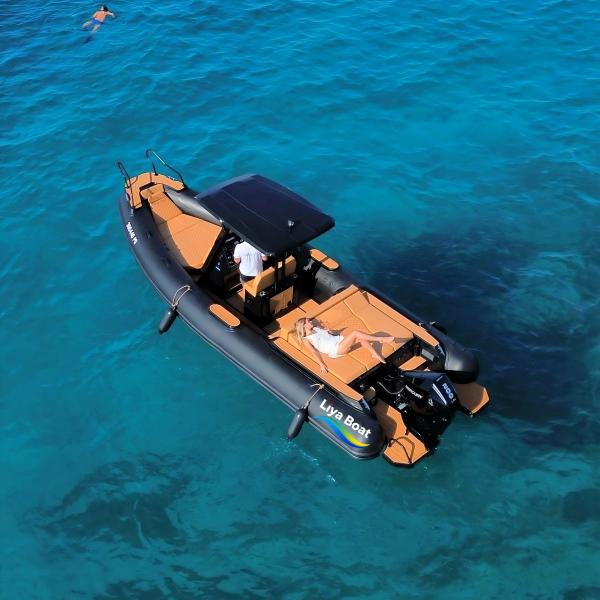 A luxury RIB boat should offer more than attractive upholstery and a powerful engine. For owners who enjoy spending full days on the water, the arrangement of the sunbed, storage compartments, seating, and onboard facilities can make a greater difference than decorative details. A spacious deck shou
 -
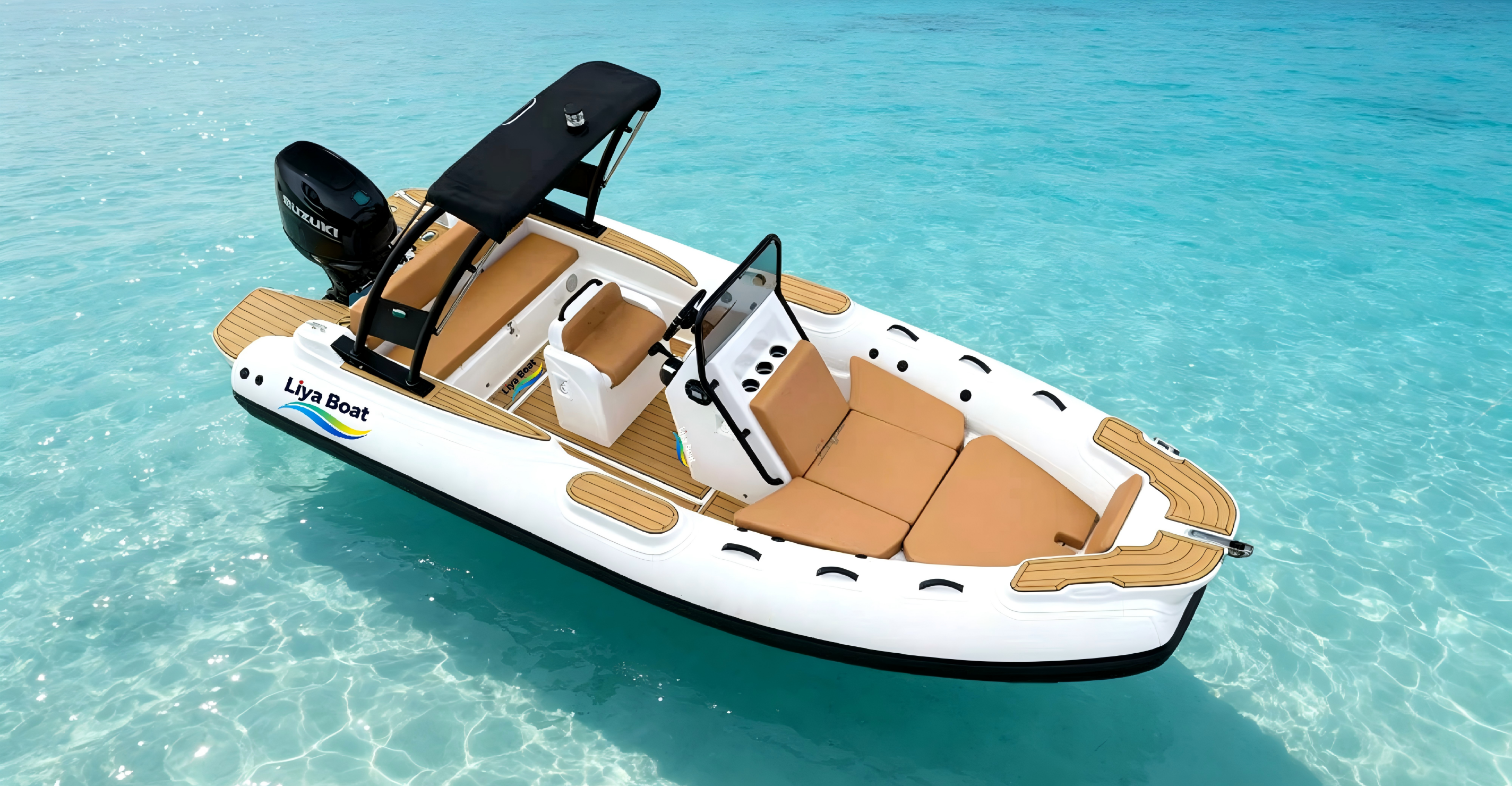 A 10-person RIB boat may sound spacious, but passenger capacity alone does not tell you how comfortable or practical the boat will be during a day on the water. Families need places to sit and store their belongings, fishing enthusiasts need room to handle equipment, and recreational operators want
 -
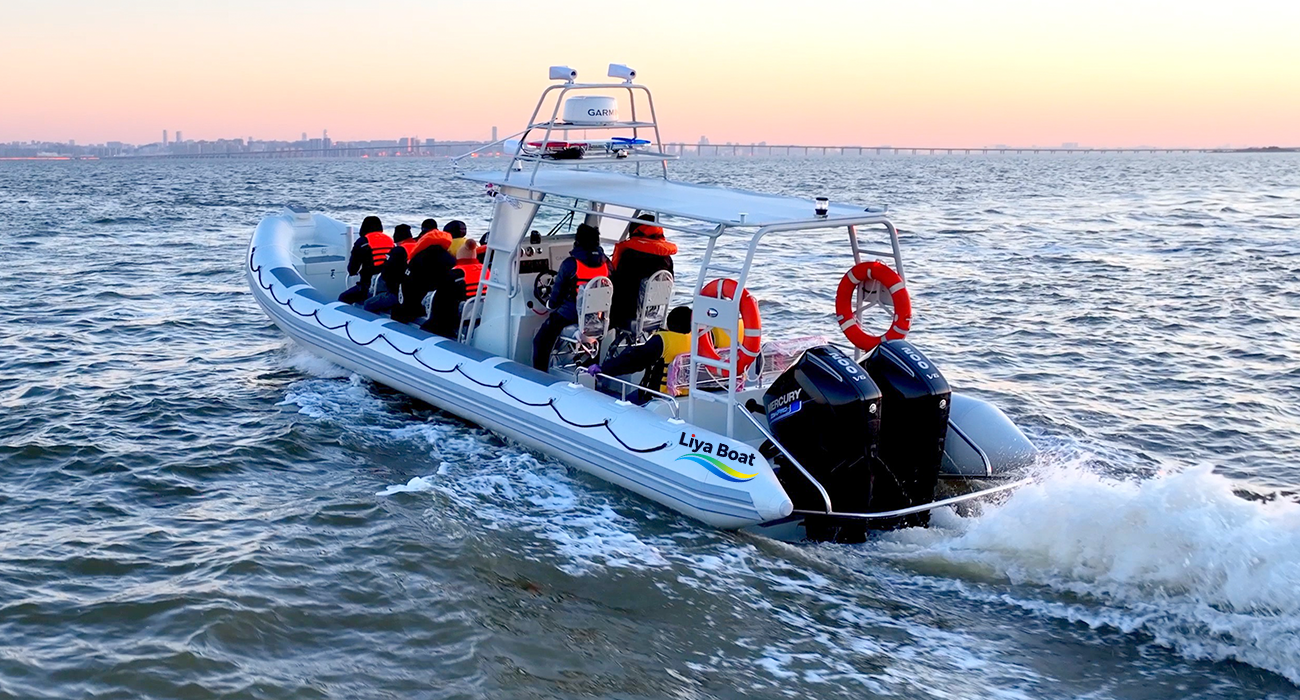 Choosing the hull material is one of the main decisions when buying a rigid-hull inflatable boat. Aluminum and fiberglass are both widely used for RHIBs, and both can support patrol, rescue, workboat, tender and recreational applications.The main differences lie in how the hull is made, how it respo


