- Home
- About Liya
- Liya Boats
- Luxury RIB Boats-Fiber Hull
- 8.3m/27Ft Cabin RIB Boat
- 8m/26Ft Sport Fiber RIB Boat
- New 7.5m/25Ft luxury Italy style RIB Boat
- Classic 7.5m/25Ft Rigid Inflatable Boat
- New 6.6m/22Ft Sport RIB Boat
- Classic 6.6m/22Ft Inflatable RIB Boat
- 6.2m/20Ft RIB Fishing Boat
- 5.8m/19Ft Fiberglass hull RIB
- 5.2m/17Ft RIB Boat
- 4.3m/14Ft Yacht Tender RIB Dinghy
- 4.3m/14Ft Center Console RIB Boat
- 3.8m/12.5Ft High Speed RIB Tender
- 3.3m/11Ft RIB Dinghy
- 8.3m/27Ft Cabin RIB Boat
- Open Deck RIBs-Fiber Hull
- Aluminum Hull RIB Boats
- 8-10M Aluminum Patrol RIB
- 7m/23Ft Aluminum RIB Yacht Tender
- 6.6m/22Ft Rigid Aluminum Hull RIB Boat
- 6.2m/20Ft Aluminum RIB Boat with Motor
- 5.8m/19Ft Aluminum Hull RIB Tender Boat
- 5.8-7.5M Transportation RIB
- 5.2m/17Ft Aluminum RIB Center Console Boat
- 4.3m/14Ft Aluminum RIB Dinghy For Sale
- 2.4-5.2m/8-17Ft Aluminum RIB Dinghy
- 8-10M Aluminum Patrol RIB
- Work RHIB-Rescue & Patrol RIBs
- 27Ft Aluminum Patrol Boat Polyurea-EVA Collar Deep-V Hull
- 9-10m/29-34Ft Aluminum Patrol RIB Boat
- Professional 8.3m Heavy-Duty Patrol RIB Boat|Fast-Response,12-Person,CE Certified
- 7.9m/26Ft RHIB for Patrol
- 6.6m/22Ft Black RIB Boat
- 5.8-7.5m/19-25ft Heavy Duty RIB Patrol & Work Boat
- 5.8-7.5m/19-25Ft Aluminum RIB Work Boat
- 27Ft Aluminum Patrol Boat Polyurea-EVA Collar Deep-V Hull
- Fiberglass Boats/Fishing Boats
- 7.6m/25Ft Fiberglass Panga Boat for Fishing
- Liya 45ft Fiberglass Cabin Fishing Boat Passenger Tour Vessel
- 9.18m/30Ft Fiberglass Cabin Fishing Boat
- 6.6m/22Ft Fiberglass Panga Skiff Boat
- 6m/20Ft Center Console Fishing Boat
- 5.8m/19Ft Center Console Panga Fishing Boat
- 5m/16.5Ft Economical Fiberglass Boat
- 7.6m/25Ft Fiberglass Panga Boat for Fishing
- Ferry & Transportation Boats
- Fully Inflatable Boats
- Luxury RIB Boats-Fiber Hull
- Application
- Hot Sale
- News
- Feature & Service
- Work RHIBs
- Contact Liya

Inquire
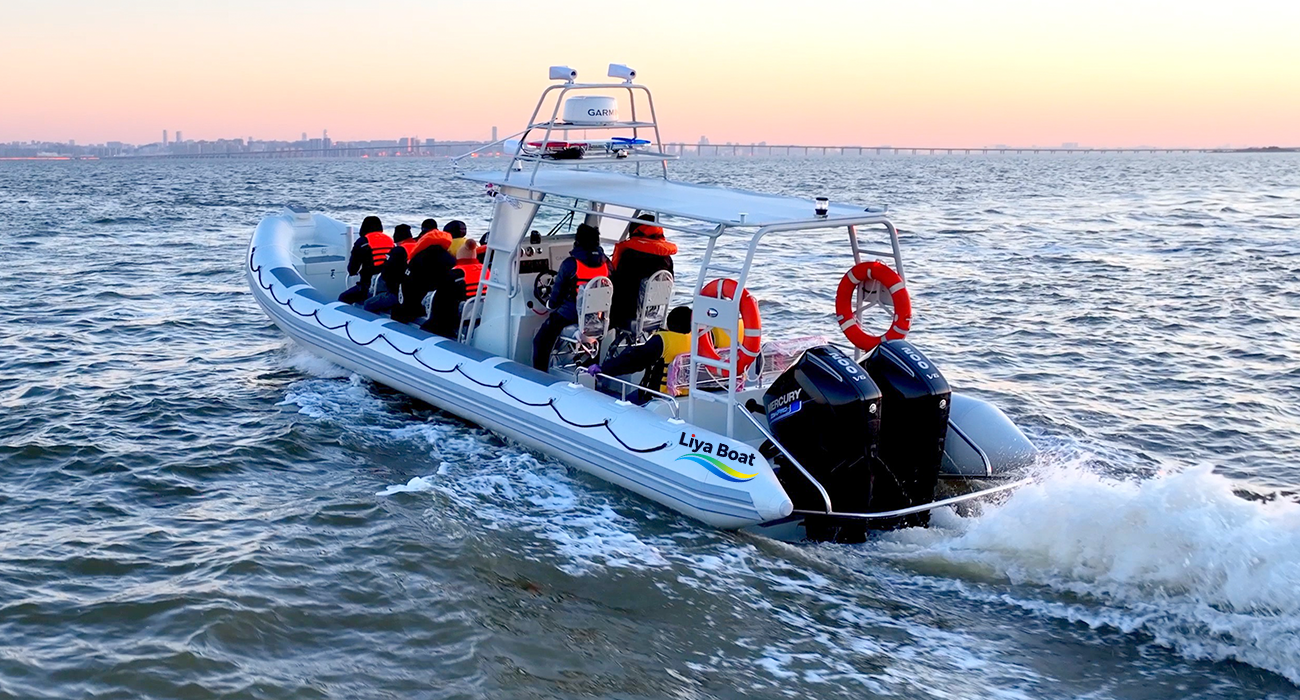
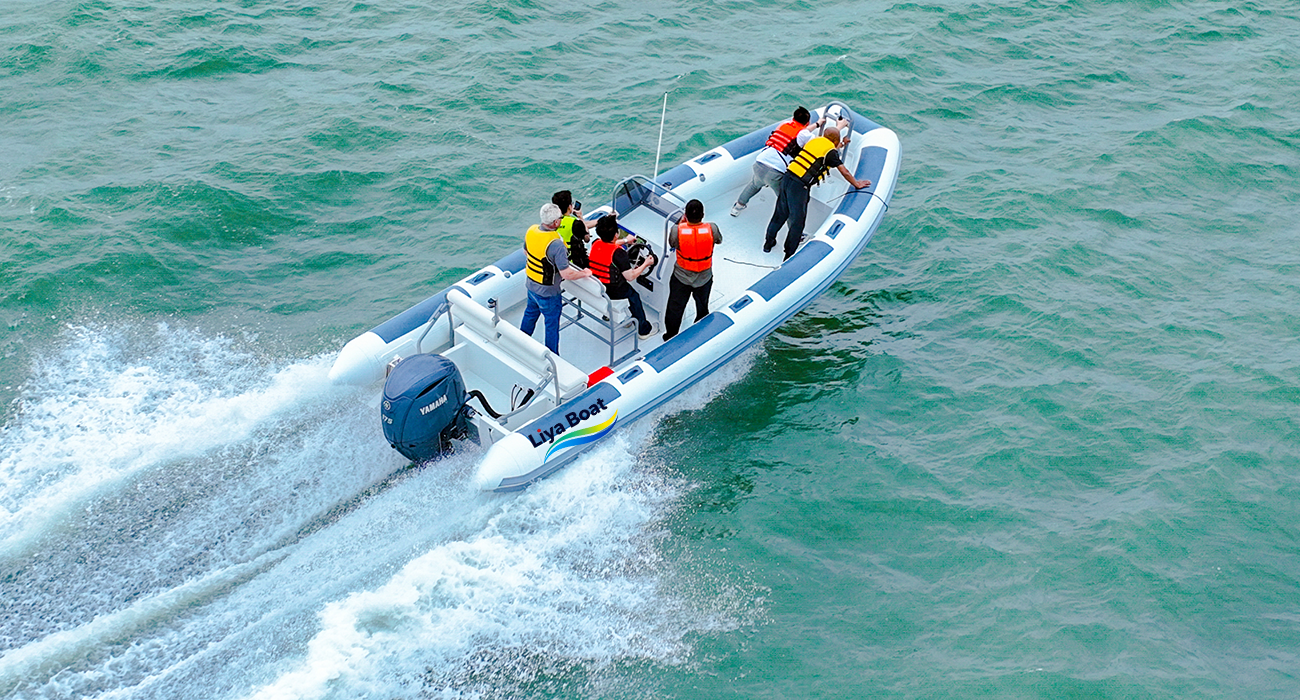
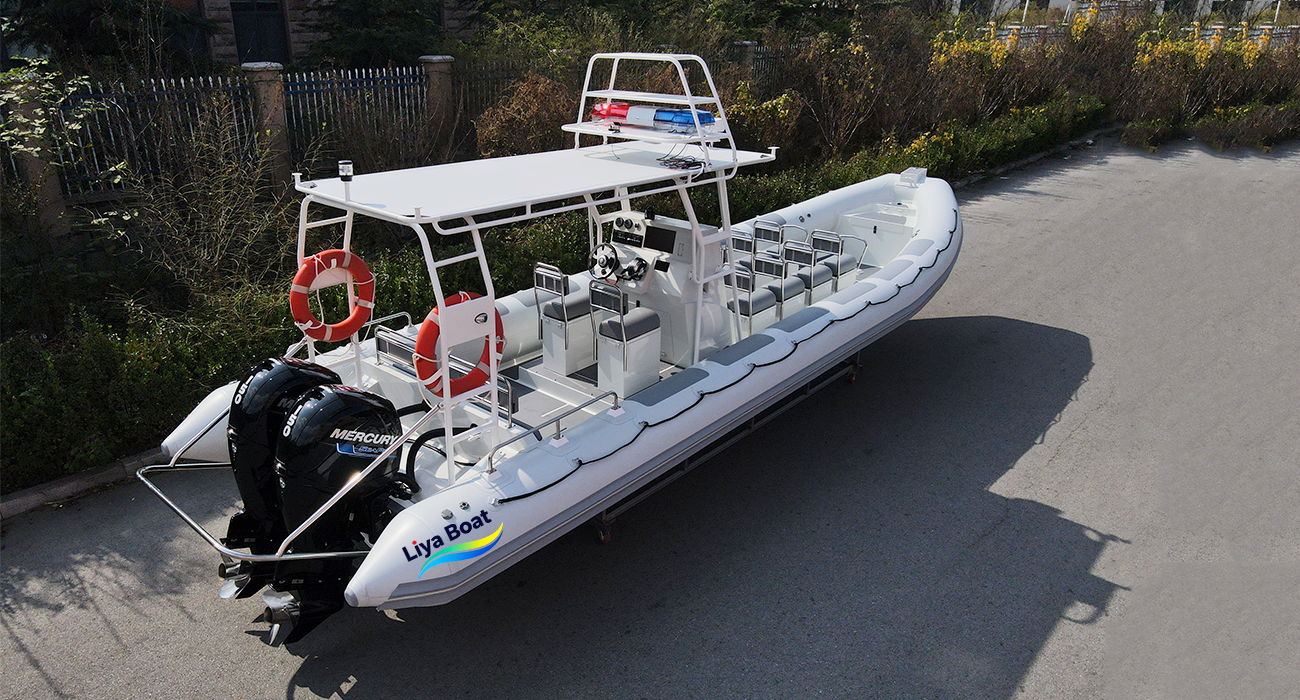
A rigid inflatable boat (RIB) represents the pinnacle of marine engineering, blending the best attributes of two distinct vessel types. It combines the speed and wave-cutting prowess of a traditional hard-hulled boat with the incredible stability and buoyancy of an inflatable. This hybrid design is no accident; it is a purpose-built solution for some of the most demanding conditions on water. For this reason, RIBs have earned an "unsinkable" reputation, making them the default choice for military special forces, coast guard rescue teams, and discerning luxury yacht owners. This guide provides a comprehensive framework for understanding this versatile craft. We will dissect its anatomy, evaluate critical materials, and explore its diverse applications to help you make an informed procurement decision for your specific operational needs.
Key Takeaways
Superior Stability: The inflatable collar acts as a shock absorber and stabilizer, providing a higher safety margin than traditional hard-sided boats.
Material Matters: Choosing between Hypalon and PVC is the single most important factor in determining the vessel's lifespan and ROI.
Efficiency & Payload: RIBs offer a higher strength-to-weight ratio, leading to better fuel economy and higher load capacities.
Versatility: From shallow-water exploration to offshore heavy-weather operations, the RIB’s design adapts to diverse maritime environments.
The Anatomy of a Rigid Inflatable Boat: Engineering for Performance
The exceptional performance of a RIB is not magic; it is the result of carefully engineered components working in harmony. The two primary elements—the rigid hull and the inflatable collar—create a vessel that is greater than the sum of its parts. Understanding how these pieces interact is the first step in appreciating the boat's capabilities.
The Rigid Hull Foundation
The hull is the boat's backbone, providing structural integrity and defining its hydrodynamic performance. The choice of material for this foundation directly impacts its durability, weight, and suitability for different environments. The two most common materials are aluminum and Glass Reinforced Plastic (GRP), also known as fiberglass.
Rigid inflatable boat rib aluminum
An aluminum hull is prized for its exceptional durability and strength-to-weight ratio. A Rigid inflatable boat rib aluminum hull can withstand significant impacts from rocks, debris, or rough landings, making it the preferred choice for commercial, military, and heavy-duty recreational use. Its lighter weight compared to a similarly sized GRP hull often translates to better fuel economy and the ability to use a smaller, more efficient engine. This ruggedness makes it ideal for operators who frequent rocky shorelines or require a workhorse vessel that can handle daily abuse.
GRP (Glass Reinforced Plastic/Fiberglass)
GRP, or fiberglass, offers unmatched design flexibility. Manufacturers can mold GRP into complex and highly efficient hull shapes, such as the popular Deep-V design, which excels at cutting through choppy water for a smoother ride. This material also allows for a high-quality, gel-coated finish, giving it a sleek and polished appearance favored in the luxury and recreational markets. While less impact-resistant than aluminum, a well-maintained GRP hull provides excellent performance and aesthetic appeal for cruising, water sports, and as a yacht tender.
The Inflatable Collar (Sponsons)
The inflatable tubes, or sponsons, that wrap around the hull are the RIB's defining feature. They provide immense "positive buoyancy," meaning the boat remains afloat even when completely swamped with water. This collar serves several critical functions:
Stability: The large-diameter tubes act like outriggers, giving the RIB incredible lateral stability both at rest and while underway. This makes it a safe platform for activities like diving, fishing, or personnel transfers.
Shock Absorption: In rough seas, the sponsons absorb and dampen the impact of waves, resulting in a much softer and drier ride than a conventional hard-sided boat.
Natural Fender: The air-filled collar acts as a built-in fender, protecting both the RIB and any vessel it comes alongside. This is invaluable for yacht tenders, law enforcement boarding operations, and busy marinas.
Hull Geometry
The shape of the hull's bottom dictates how the boat interacts with the water. A Deep-V hull features a sharp, V-shaped profile that slices through waves, providing a stable and comfortable ride in offshore conditions. However, this design requires more power to get on plane. In contrast, a shallow-V hull has a flatter bottom, allowing it to plane more easily and operate efficiently in calm, coastal waters. The choice depends entirely on the primary operating environment.
Material Science: Evaluating Rigid Inflatable Boat Hypalon vs. PVC
The material used for the inflatable collar is arguably the most critical decision in specifying a RIB. It determines the vessel's lifespan, maintenance requirements, and overall return on investment. The main contenders are Hypalon (CSM), Polyvinyl Chloride (PVC), and, for specialized applications, Polyurethane (PU).
Hypalon (CSM): The Professional Standard
Hypalon, technically known as chlorosulfonated polyethylene (CSM), is the benchmark for high-quality professional and luxury Rigid inflatable boat construction. It is a synthetic rubber renowned for its incredible durability.
Pros: A Rigid inflatable boat hypalon tube offers superior resistance to UV radiation, extreme temperatures, chemical spills (fuel, oil), and abrasion. With proper care, a Hypalon collar can last 20 years or more, even in harsh tropical climates. Its seams are hand-glued ("cold-glued"), making field repairs straightforward.
Trade-offs: The primary drawback is its higher initial cost, both for the raw material and the labor-intensive construction process.
PVC (Polyvinyl Chloride): The Cost-Effective Solution
PVC is a thermoplastic polymer widely used for entry-level and recreational RIBs. It offers a good balance of performance and affordability, making it a popular choice for many boaters.
Pros: PVC is significantly less expensive than Hypalon. Its seams are typically thermobonded or welded, creating very strong and airtight joints. It's also lighter, which can be an advantage for smaller, portable tenders.
Trade-offs: PVC's main weakness is its susceptibility to UV damage. Over time, sunlight can make the material brittle and prone to cracking, especially in hot climates. Its expected service life is typically 5 to 10 years.
Polyurethane (PU): The Extreme-Duty Alternative
Polyurethane is a premium material used primarily for military and heavy commercial applications where extreme abrasion resistance is paramount. It is tougher than both Hypalon and PVC but is more difficult to work with and repair, placing it in a niche category for the most demanding users.
| Feature | Hypalon (CSM) | PVC | Polyurethane (PU) |
|---|---|---|---|
| Lifespan | 20+ years | 5-10 years | 25+ years |
| UV Resistance | Excellent | Fair to Good | Excellent |
| Abrasion Resistance | Very Good | Good | Exceptional |
| Initial Cost | High | Low | Very High |
| Best Use Case | Professional, Luxury, All-Climate | Recreational, Tender, Temperate Climate | Military, Heavy Commercial |
Power and Propulsion: Selecting a Rigid Inflatable Boat with Motor
The lightweight and efficient design of a RIB means it can achieve impressive speeds with relatively modest power. Choosing the right propulsion system is key to optimizing performance, safety, and operational costs.
Outboard Configuration
Outboard motors are the standard for the vast majority of RIBs, and for good reason. A rigid inflatable boat with motor mounted on the transom offers an unbeatable power-to-weight ratio. This configuration maximizes interior deck space, simplifies maintenance and repairs, and allows for easy replacement or upgrades. Modern four-stroke outboards are quiet, fuel-efficient, and environmentally friendly, making them the logical choice for nearly every RIB application.
Jet Propulsion vs. Propeller
While propellers are the most common, jet drives offer distinct advantages in specific scenarios.
Jet Drives: These systems draw water in and expel it at high velocity to create thrust. With no external propeller, they are exceptionally safe for operations around swimmers, divers, or marine life. This makes them a popular choice for yacht tenders and rescue craft. They can also operate in extremely shallow water without risk of prop damage.
Propellers: Conventional propellers are more efficient at converting engine power into thrust, especially at lower speeds. They provide better torque for carrying heavy loads and generally offer higher top speeds and better fuel economy than a comparable jet drive.
Fuel Efficiency Drivers
A RIB's inherent efficiency is a major component of its low Total Cost of Ownership (TCO). Its lightweight construction means less mass to push through the water, reducing drag. This allows the hull to get on plane quickly and stay there with less throttle input. Compared to a traditional displacement or heavy hard-sided planing hull of the same length, a RIB will almost always consume less fuel, extending its operational range and lowering running costs.
Primary Use Cases: From Tactical Operations to Luxury Tenders
The adaptability of the RIB design has led to its adoption across a wide spectrum of maritime activities. From lifesaving missions in treacherous seas to leisurely coastal exploration, the RIB excels where other boats falter.
Professional & Rescue
Coast Guards, Search and Rescue (SAR) teams, and law enforcement agencies worldwide rely on RIBs. Their high-speed stability in heavy weather is unmatched. The low freeboard (height of the gunwale above the water) makes it easier to recover people from the water, while the inflatable collar provides a soft, secure point of contact during boarding operations or when alongside other vessels.
The Luxury Market
In the world of superyachts, a RIB is the tender of choice. A luxury Rigid inflatable boat serves as a stylish and capable shuttle for transporting guests to shore. These high-end models often feature premium amenities like teak decking, custom upholstery, integrated GPS and sound systems, and powerful engines for water sports. Their stability and soft-sided nature prevent damage to the yacht's expensive paintwork.
Commercial Diving & Exploration
For commercial divers and marine researchers, the RIB is an ideal work platform. The stable, low-profile design allows for easy entry and exit from the water, even when wearing cumbersome gear. The open deck layout can be easily configured to carry dive tanks, scientific equipment, and other specialized payloads.
Recreational Versatility
The RIB is rapidly replacing traditional fiberglass runabouts for family boating. Its superior safety, soft ride, and fuel efficiency make it a smart choice for fishing, water skiing, and general day cruising. It's easy to handle, simple to trailer, and forgiving for novice boaters, offering a level of confidence that few other boat types can match.
Procurement Strategy: Choosing a Rigid Inflatable Boat Manufacturer
Selecting the right vessel involves more than just picking a size and color. A strategic approach ensures you acquire a RIB that meets your needs today and provides lasting value for years to come. This starts with finding a reputable rigid inflatable boat manufacturer.
Defining Success Criteria
Before you approach any manufacturer, clearly define your operational requirements. The most important consideration is matching the materials to the environment. Will the boat be operated in the intense sun of the tropics? If so, Hypalon is a necessity. Will it be launched from rocky beaches? An aluminum hull is the better choice. Clearly outlining your mission profile—be it coastal fishing, offshore patrol, or yacht tendering—will guide every subsequent decision.
Evaluating Manufacturers
Not all RIBs are created equal. Due diligence on the manufacturer is crucial. Look for these key indicators of quality:
Certification Standards: Reputable builders adhere to recognized international standards. Look for certifications like ISO (International Organization for Standardization) or CE (Conformité Européenne), which govern design, construction, and safety requirements.
After-Sales Support: What happens after the sale? A good manufacturer will offer robust support, including a clear warranty on both the hull and the tubes. Inquire about the availability and cost of tube replacement services, as this is a key long-term maintenance consideration.
Customization Capabilities: Your operation may require a specific layout. Assess the manufacturer's willingness and ability to customize seating arrangements, install specialized electronics, or add features like dive tank racks or tow posts.
The Resale Reality
Investing in quality pays dividends at the end of the boat's service life. A well-maintained RIB built with a GRP or aluminum hull and Hypalon tubes will hold its value far better than a budget PVC alternative. The market recognizes the durability and longevity of premium materials, ensuring a significantly higher residual value when it comes time to sell or upgrade.
Maintenance and Operational Longevity
Proper maintenance is essential to maximizing the life and performance of your RIB. While they are built to be tough, neglecting basic care can lead to premature wear and costly repairs.
Tube Care
The inflatable collar requires the most consistent attention.
Apply a quality UV protectant spray regularly, especially if the boat is stored uncovered. This is the single best way to prolong the life of both PVC and Hypalon.
Maintain the correct air pressure (PSI) as specified by the manufacturer. Over-inflation can stress seams, while under-inflation causes the fabric to flex excessively, leading to wear.
Clean the tubes with mild soap and water after use, especially in saltwater, to prevent grime buildup and fabric degradation.
Hull Integrity
The rigid hull also needs regular inspection. For GRP hulls, check for signs of osmotic blistering—small bubbles in the gelcoat that indicate water absorption. For aluminum hulls, the primary concern is galvanic corrosion, which can occur if dissimilar metals are in electrical contact in saltwater. Ensure sacrificial anodes are in good condition and replaced as needed.
Winterization and Storage
If the boat will be stored for an extended period, proper preparation is key. The engine should be winterized according to the manufacturer's instructions. Ideally, the boat should be stored indoors. If stored outside, use a high-quality, breathable cover. It is best to slightly deflate the tubes to avoid stress from temperature fluctuations, but leave enough air to maintain their shape and prevent flat spots or creases from forming.
Conclusion
The rigid inflatable boat stands alone as a master of versatility, safety, and performance. Its unique design delivers a platform that is at once fast, stable, and incredibly seaworthy. The procurement process hinges on a clear decision framework: matching the hull material (rugged aluminum vs. sleek GRP) and the tube fabric (durable Hypalon vs. cost-effective PVC) directly to your mission profile and operating environment.
Ultimately, for any operator who prioritizes safety and capability without wanting to sacrifice speed and efficiency, the RIB remains the most intelligent and versatile choice on the water. Before making a final decision, we encourage all potential buyers to take the next steps. Request sea trials to experience the performance firsthand and ask for material samples from your shortlisted manufacturers to feel the difference in quality for yourself.
FAQ
Q: How long does a rigid inflatable boat last?
A: The lifespan depends almost entirely on the tube material. A boat with PVC tubes typically lasts 5-10 years, depending on UV exposure and care. A high-quality RIB with Hypalon tubes can easily last over 20 years with proper maintenance, making it a better long-term investment.
Q: Can a RIB sink if the tubes are punctured?
A: No, it is extremely difficult for a RIB to sink. The inflatable collar is divided into multiple independent air chambers (usually 3 to 6). A puncture will only deflate one chamber, while the others remain inflated. Furthermore, the rigid hull itself has inherent buoyancy and will keep the boat afloat even if all tubes were to deflate.
Q: Is an aluminum RIB better than fiberglass?
A: Neither is inherently "better"; they serve different purposes. Aluminum is superior for durability, impact resistance, and lower weight, making it ideal for commercial or rugged use. Fiberglass (GRP) allows for more complex, high-performance hull shapes and a more refined finish, making it perfect for recreational and luxury applications.
Q: What motor size do I need for a 6-meter RIB?
A: A general guideline for a 6-meter (approx. 20-foot) RIB is between 90 and 150 horsepower. A 90hp motor will provide efficient cruising, while a 150hp motor will deliver exciting high-speed performance and power for watersports. The ideal size depends on the boat's specific weight and your intended use.
Q: Are RIBs safe in rough seas?
A: Yes, RIBs are exceptionally safe in rough seas. The inflatable collar acts as a shock absorber, softening the ride and providing incredible stability. The low center of gravity and the buoyancy of the tubes make the boat very difficult to capsize, which is why they are trusted by rescue services worldwide.

Welcome To Contact Us

-
 Choosing the hull material is one of the main decisions when buying a rigid-hull inflatable boat. Aluminum and fiberglass are both widely used for RHIBs, and both can support patrol, rescue, workboat, tender and recreational applications.The main differences lie in how the hull is made, how it respo
 -
 Shallow-water operation exposes a boat to risks that are less common on deeper, predictable routes: changing bottom conditions, sandbars, debris, beach landings, floating docks and low-speed contact with shore structures.
 -
 The choice between a 7m and a 10m RHIB is mainly a choice between operating roles. Both are capable Aluminum Hull RIB Boats, but they serve different needs in terms of passenger movement, deck space, route length, equipment integration and crew workflow.