- Home
- About Liya
- Liya Boats
- Luxury RIB Boats-Fiber Hull
- 8.3m/27Ft Cabin RIB Boat
- 8m/26Ft Sport Fiber RIB Boat
- New 7.5m/25Ft luxury Italy style RIB Boat
- Classic 7.5m/25Ft Rigid Inflatable Boat
- New 6.6m/22Ft Sport RIB Boat
- Classic 6.6m/22Ft Inflatable RIB Boat
- 6.2m/20Ft RIB Fishing Boat
- 5.8m/19Ft Fiberglass hull RIB
- 5.2m/17Ft RIB Boat
- 4.3m/14Ft Yacht Tender RIB Dinghy
- 4.3m/14Ft Center Console RIB Boat
- 3.8m/12.5Ft High Speed RIB Tender
- 3.3m/11Ft RIB Dinghy
- 8.3m/27Ft Cabin RIB Boat
- Open Deck RIBs-Fiber Hull
- Aluminum Hull RIB Boats
- 8-10M Aluminum Patrol RIB
- 7m/23Ft Aluminum RIB Yacht Tender
- 6.6m/22Ft Rigid Aluminum Hull RIB Boat
- 6.2m/20Ft Aluminum RIB Boat with Motor
- 5.8m/19Ft Aluminum Hull RIB Tender Boat
- 5.8-7.5M Transportation RIB
- 5.2m/17Ft Aluminum RIB Center Console Boat
- 4.3m/14Ft Aluminum RIB Dinghy For Sale
- 2.4-5.2m/8-17Ft Aluminum RIB Dinghy
- 8-10M Aluminum Patrol RIB
- Work RHIB-Rescue & Patrol RIBs
- 27Ft Aluminum Patrol Boat Polyurea-EVA Collar Deep-V Hull
- 9-10m/29-34Ft Aluminum Patrol RIB Boat
- Professional 8.3m Heavy-Duty Patrol RIB Boat|Fast-Response,12-Person,CE Certified
- 7.9m/26Ft RHIB for Patrol
- 6.6m/22Ft Black RIB Boat
- 5.8-7.5m/19-25ft Heavy Duty RIB Patrol & Work Boat
- 5.8-7.5m/19-25Ft Aluminum RIB Work Boat
- 27Ft Aluminum Patrol Boat Polyurea-EVA Collar Deep-V Hull
- Fiberglass Boats/Fishing Boats
- 7.6m/25Ft Fiberglass Panga Boat for Fishing
- Liya 45ft Fiberglass Cabin Fishing Boat Passenger Tour Vessel
- 9.18m/30Ft Fiberglass Cabin Fishing Boat
- 6.6m/22Ft Fiberglass Panga Skiff Boat
- 6m/20Ft Center Console Fishing Boat
- 5.8m/19Ft Center Console Panga Fishing Boat
- 5m/16.5Ft Economical Fiberglass Boat
- 7.6m/25Ft Fiberglass Panga Boat for Fishing
- Ferry & Transportation Boats
- Fully Inflatable Boats
- Luxury RIB Boats-Fiber Hull
- Application
- Hot Sale
- News
- Feature & Service
- Work RHIBs
- Contact Liya

Inquire
The modern inflatable boat market offers a vast spectrum of vessels, from compact tenders that fit in a car trunk to high-performance offshore machines capable of handling serious seas. This variety presents a core dilemma for buyers. You must balance the incredible portability of soft-bottom boats with the superior sea-keeping capabilities of their rigid-hulled counterparts. Choosing incorrectly can lead to frustration, underperformance, or owning a boat that doesn't fit your lifestyle or storage space. This guide provides a clear technical and commercial framework to help you select the right hull type and motor package. We will explore the fundamental differences, material science, and performance characteristics that define each category, empowering you to make a confident and informed decision for your specific operational needs.
Key Takeaways
SIB (Soft Inflatable Boat): Best for portability, easy storage, and budget-conscious users; utilizes "drop stitch" or roll-up floors.
RIB (Rigid Inflatable Boat): Offers superior stability and speed via fiberglass or aluminum hulls; the "SUV of the sea."
Material Choice: PVC is cost-effective and lightweight; Hypalon is essential for high-UV environments and long-term durability.
Propulsion: Electric motor packages are ideal for SIBs due to weight savings, while high-horsepower outboards suit RIBs for rescue and high-speed applications.
Understanding the Spectrum: From Foldable Inflatable Boats to RIBs
The term Inflatable Boat covers a surprisingly diverse family of watercraft. Understanding the fundamental categories is the first step toward choosing the right vessel. They range from simple leisure craft to highly specialized professional boats, each designed with a specific purpose in mind.
Defining the Inflatable Boat
While many types exist, the market is primarily composed of five categories. Each serves a different user and environment:
Rafts: Often simple, unpowered boats designed for calm waters like pools or slow-moving rivers.
Pontoons: Typically used for fishing on lakes, these consist of two or more inflatable tubes supporting a frame and seating.
Kayaks: Inflatable kayaks offer portability that traditional hard-shell versions cannot, making them popular for recreational paddling.
Dinghies (SIBs): These are Soft Inflatable Boats (SIBs). They feature an entirely inflatable structure, including the floor, and a transom for mounting a small motor.
RIBs: A Rigid Inflatable Boat is a hybrid. It combines inflatable tubes with a solid, shaped hull, merging the best of both worlds.
The SIB Advantage
The primary appeal of Soft Inflatable Boats (SIBs) lies in their unmatched portability. The mechanics of foldable inflatable boats allow them to be deflated, rolled up, and stored in a carrying bag. This completely eliminates the need for a trailer, a dedicated boat slip, or marina storage fees. You can easily store a SIB in a garage, a closet, or the trunk of a car. This "boat-in-a-bag" concept opens up boating to a wider audience who may lack the space or infrastructure for a traditional hard-shelled vessel. Their lightweight nature also means they can be launched by hand from nearly any shoreline, providing access to remote bodies of water.
The RIB Evolution
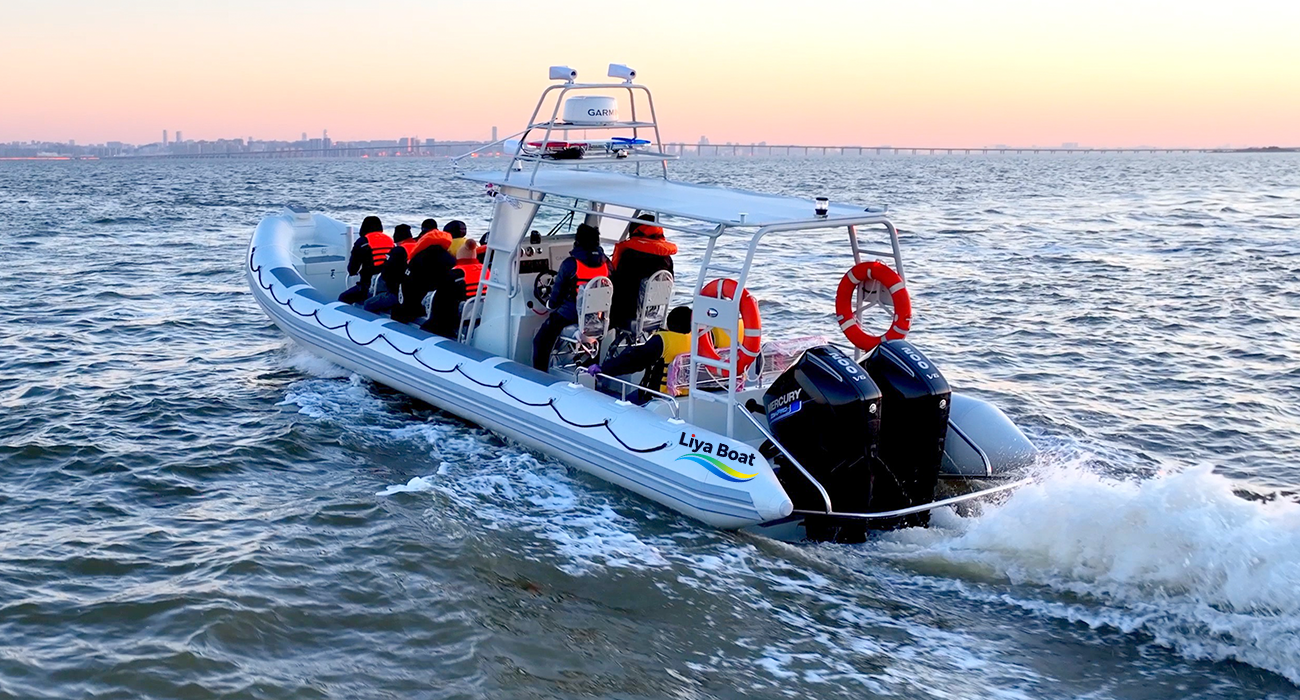
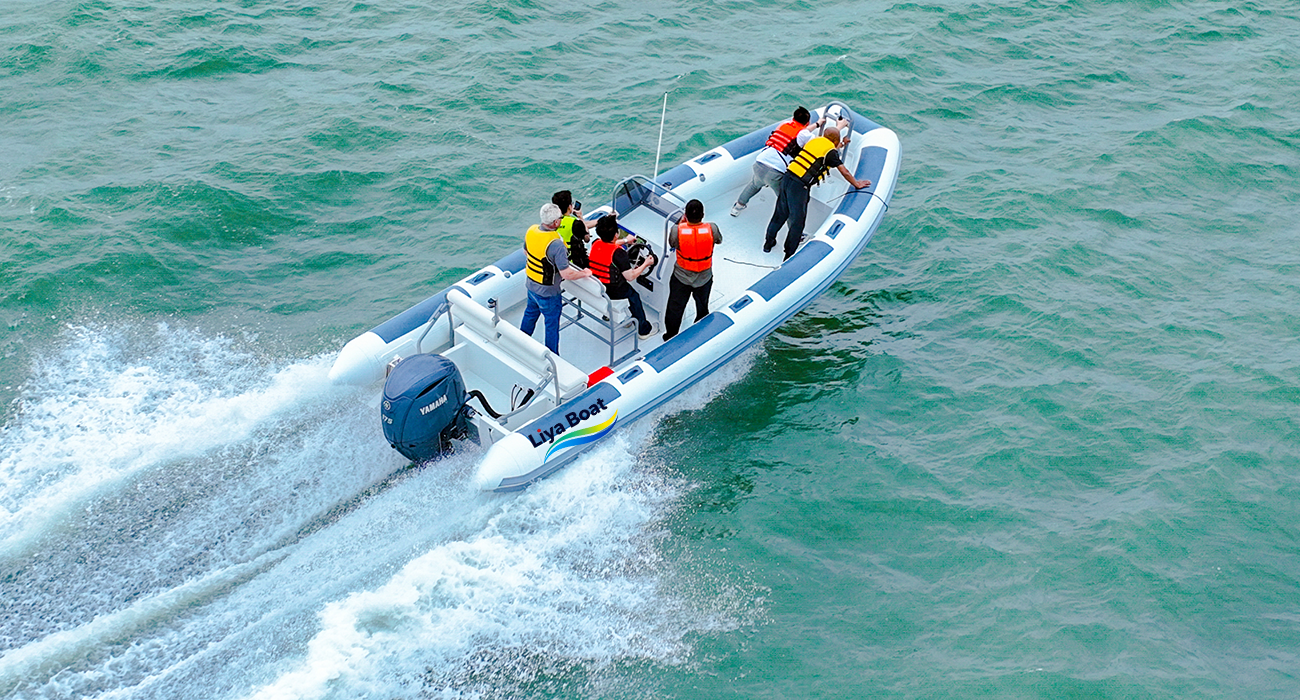
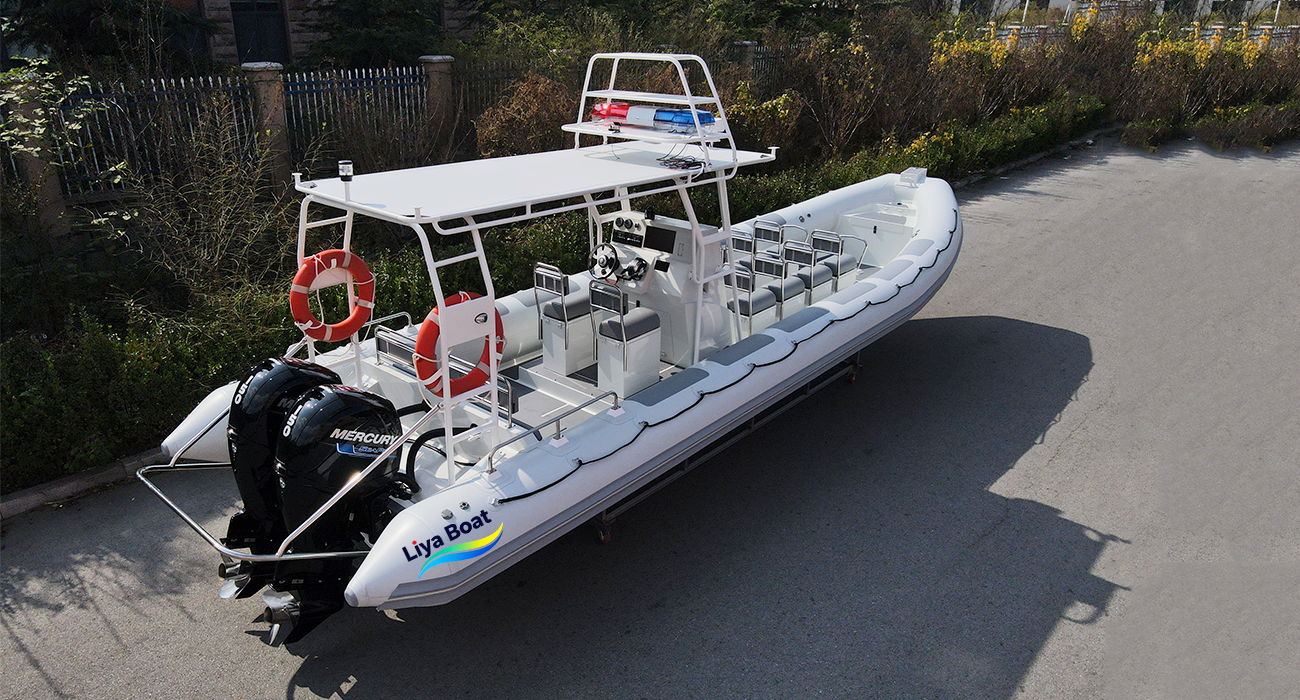
The Rigid Inflatable Boat, or RIB, represents a significant leap in performance and capability. By bonding inflatable tubes to a solid hull, designers created a vessel that retains the buoyancy and stability of an inflatable while gaining the seakeeping performance of a traditional boat. The solid hull, typically made of fiberglass or aluminum, can be shaped into a deep-V design. This allows the boat to cut through waves and chop rather than bounce over them, resulting in a smoother, drier, and safer ride. It's why fiberglass hull inflatable boats have become the standard for demanding professional applications, including military, coast guard, and rescue operations, as well as for discerning recreational boaters who demand high performance.
Hybrid Solutions
To bridge the performance gap between SIBs and RIBs, manufacturers developed high-pressure inflatable floors, most notably using "drop stitch" technology. This construction involves connecting two layers of fabric with thousands of fine threads. When inflated to high pressure (often 8-15 PSI), the floor becomes remarkably rigid, mimicking the feel of a solid deck. This innovation gives a SIB better handling, improved tracking, and a more stable platform for standing and moving around. While it doesn't fully replicate the wave-cutting ability of a deep-V RIB hull, it significantly enhances the performance of a portable boat, making it a popular middle-ground solution.
Performance Comparison: Stability, Speed, and Sea-Keeping
When you move from a soft-bottom to a rigid-hull inflatable, the difference in on-water performance is immediate and profound. This is not just about comfort; it's about safety, capability, and the types of conditions you can confidently navigate. The hull geometry, payload capacity, and planing ability are key technical factors that separate these two classes of boats.
Hull Geometry
The single most important performance differentiator is the shape of the hull. A standard SIB typically has a flat bottom or a shallow inflatable keel. While this design is excellent for portability and shallow water operation, it struggles in choppy conditions. The flat surface tends to slap against waves, creating a bumpy and wet ride. In contrast, a RIB features a deep-V hull. This V-shape allows the boat to slice through waves, displacing water to the sides and providing directional stability. It acts like a shock absorber, smoothing out the ride and preventing the bow from being pushed around by wind and waves. This superior hull geometry is what gives a RIB its confident and predictable handling in rough seas.
Payload and Buoyancy
Both SIBs and RIBs benefit from the incredible buoyancy provided by their large-diameter inflatable tubes. These multi-chambered sponsons make the boats exceptionally stable at rest and virtually unsinkable, even when completely swamped with water. This is a massive safety advantage over traditional boats. However, the way they carry weight differs. RIBs, with their solid internal structure, can typically handle heavier payloads and larger engines. The rigid hull distributes the load more effectively. SIBs have excellent weight-to-cargo ratios on paper, but overloading them can cause the floor to flex, negatively impacting performance and handling.
High Speed Inflatable Boats
Achieving high speeds requires a boat to "plane"—a state where the hull lifts and skims across the surface of the water, dramatically reducing drag. This is where the rigid hull is a necessity. To get on plane and maintain it efficiently at speeds over 20 knots, a boat needs a hard, shaped planing surface. The flexible nature of a SIB floor makes it difficult to achieve a clean, stable plane. RIBs, on the other hand, are designed for it. Their solid hulls provide the lift and stability needed, making them the platform of choice for high speed inflatable boats used for watersports, rapid response, or long-distance cruising.
Operational Environments
The ideal environment for each boat type is a direct result of its design. A SIB excels in situations where portability and shallow draft are key. A RIB is built for open water and challenging conditions.
| Feature | SIB (Soft Inflatable Boat) | RIB (Rigid Inflatable Boat) |
|---|---|---|
| Best For | Calm lakes, protected bays, rivers | Open ocean, coastal cruising, heavy surf |
| Beaching | Excellent; soft bottom is forgiving on sand/gravel | Good; fiberglass/aluminum can be scratched |
| Shallow Water | Superior; minimal draft allows access to very shallow areas | Good; draft is deeper due to V-hull |
| Wave Handling | Poor to fair; tends to slap and bounce | Excellent; cuts through chop for a smooth ride |
Material Science: Evaluating PVC, Hypalon, and Hull Substrates
The longevity, durability, and cost of an inflatable boat are directly tied to the materials used in its construction. Understanding the differences between tube fabrics like PVC and Hypalon, as well as hull substrates like fiberglass and aluminum, is critical for making a smart investment.
Tube Fabrics
The inflatable tubes, or sponsons, are the heart of the boat. The choice of fabric impacts everything from air retention and UV resistance to repairability and overall lifespan.
PVC (Polyvinyl Chloride)
PVC is a popular and cost-effective material for inflatable boats. Its key advantage is that its seams can be thermally welded. This process creates a molecular bond that is exceptionally airtight and strong. PVC boats are often lighter than their Hypalon counterparts, contributing to their portability. However, PVC's primary weakness is its limited resistance to ultraviolet (UV) radiation and certain chemicals. Over time, prolonged sun exposure can make the material brittle and cause the plasticizers to migrate, leading to stickiness and eventual degradation.
Hypalon (CSM/Neoprene)
Hypalon, or chlorosulfonated polyethylene (CSM), is the premium fabric choice for professional and high-end recreational boats. It is a synthetic rubber coating applied over a neoprene core. Its standout quality is its outstanding resistance to UV rays, extreme temperatures, chemicals, and abrasion. Hypalon seams are manually glued, a labor-intensive process that requires skilled craftsmanship. While a well-glued seam is incredibly durable, it relies on chemical adhesion rather than a welded bond. Often called the "30-year material," Hypalon is the go-to for boats that will live in tropical climates or see heavy commercial use.
Hull Materials for RIBs
For a RIB, the solid hull provides the structural backbone. The material choice affects weight, durability, and maintenance.
Fiberglass (GRP)
Glass-Reinforced Plastic (GRP), or fiberglass, is the traditional and most common material for RIB hulls. It offers immense design flexibility, allowing for complex, hydrodynamic shapes that optimize performance. Fiberglass provides a beautiful, high-gloss finish and is relatively easy to repair if scratched or damaged. It offers a good balance of strength, weight, and cost, making it an excellent all-around choice for recreational and light commercial use.
Aluminum
Aluminum hulls are prized for their exceptional strength-to-weight ratio and incredible durability. They are significantly more resistant to impact and abrasion than fiberglass, making them the ideal choice for boats operated in rocky environments or for demanding workboat applications. This ruggedness is why aluminum is often preferred for Rescue Inflatable Boats and military craft. While more expensive and potentially noisier than fiberglass, a high-quality welded aluminum hull is virtually indestructible.
Safety Features
Regardless of material, two safety features are paramount. First, pressure relief valves are essential, especially on PVC boats used in sunny climates. They automatically release excess air pressure caused by heat, preventing a catastrophic seam or tube rupture. Second, all quality inflatables use a multi-chamber design. The tubes are divided into at least three separate airtight compartments. This redundancy ensures that if one chamber is punctured and deflates, the others will remain inflated, keeping the boat afloat and stable enough to return to shore safely.
Motor Packages: Matching Propulsion to Hull Type
The right motor is not just an accessory; it's an integral part of the boat's performance system. An improperly matched motor can compromise safety, handling, and enjoyment. The ideal propulsion choice for a lightweight SIB is vastly different from that of a heavy-duty RIB.
The Electric Advantage
Lightweight electric outboards, typically in the 500W to 3kW range (equivalent to 1.5-5 HP gas motors), are a perfect match for SIBs. Their primary benefit is weight. A complete electric system (motor and battery) is often significantly lighter than a gas outboard and a full fuel tank. This makes the boat easier to carry, assemble, and launch. It also helps the SIB perform better by keeping transom weight low. Furthermore, electric motors are quiet, require virtually no maintenance, and eliminate the need to transport and handle gasoline, simplifying the entire boating experience.
Power-to-Weight Ratios
Every boat has a capacity plate that specifies the maximum horsepower (HP) and weight it is designed to handle. Exceeding these limits is dangerous and illegal. The transom—the flat, reinforced stern panel where the motor mounts—is engineered for a specific load. SIBs have lighter transoms designed for smaller motors. RIBs have heavily reinforced, integrated transoms capable of supporting large, high-horsepower outboards. When selecting a motor, you must adhere strictly to the manufacturer's specifications to ensure structural integrity and safe handling.
Installation Realities
The installation process highlights the different use cases for SIBs and RIBs. For foldable inflatable boats, the motor must be portable. They use a "clamp-and-go" system where the motor is attached to the transom using hand-tightened screw clamps. This allows the motor to be removed quickly for transport and storage. For RIBs, the motor is a permanent fixture. It is bolted directly through the transom and integrated with the boat's steering, throttle, and electrical systems. This secure, permanent mounting is necessary to handle the immense torque and thrust of powerful engines.
TCO of Propulsion
When considering the Total Cost of Ownership (TCO), the comparison between electric and gas motors reveals significant differences, especially for smaller boats.
| Cost Factor | Electric Outboards (for SIBs) | Gas Outboards |
|---|---|---|
| Initial Purchase | Moderate to High (including battery) | Low to Moderate (for smaller HP) |
| Fuel Costs | Very Low (cost of electricity) | High and Variable (gasoline prices) |
| Annual Maintenance | Near Zero (no oil, plugs, filters) | Moderate (oil changes, winterization, tune-ups) |
| Complexity | Low (plug and play) | High (fuel system, cooling, exhaust) |
While the initial cost of an electric package can be higher, the near-zero maintenance and fuel costs can make it more economical over the life of the motor, especially for frequent users.
Decision Framework: Choosing the Right Inflatable Boat Manufacturer
Selecting the right boat involves more than comparing specs. It requires a clear understanding of your needs and the ability to evaluate the quality of the vessel and its builder. A methodical approach ensures you find a boat that will provide years of safe, reliable service.
Identifying Success Criteria
Before you even look at a boat, define your primary use case. Your needs will dictate the ideal size, hull type, and features. Ask yourself:
What is its main job? Will it be a yacht tender, a stable fishing platform, a family boat for recreation, or a vessel for serious operations like rescue or diving?
Where will I use it? Will you be on small inland lakes, coastal bays, or venturing into the open ocean?
Who is coming with me? How many people do you need to carry safely and comfortably?
Answering these questions first will narrow your search significantly and prevent you from buying a boat that doesn't fit your mission.
Compliance and Certification
Reputable manufacturers adhere to strict safety and construction standards. Look for certifications that provide third-party validation of a boat's quality. In North America, the National Marine Manufacturers Association (NMMA) certification is the gold standard. In Europe, the CE certification (Conformité Européenne) serves a similar purpose, categorizing boats based on their ability to handle specific sea conditions (e.g., Category C for Inshore, Category B for Offshore). These certifications ensure the boat meets essential requirements for buoyancy, capacity, and structural integrity. Choosing a certified boat from a trusted Inflatable Boat manufacturer is a critical step in ensuring safety on the water.
Evaluation Checklist for Buyers
When you start looking at specific models, use this checklist to compare your options logically:
Storage Constraints: Do you have space for a trailer and a rigid boat, or do you need something that can be stored in a garage or closet? Be realistic about your available space.
Passenger Capacity vs. Deck Space: A boat might be rated for six people, but is there actually enough deck space for six people and their gear to be comfortable? Look at the usable interior space, not just the number on the capacity plate.
Warranty Terms: Read the warranty carefully. Is it comprehensive? What is the coverage period for the hull versus the seams on the inflatable tubes? A strong warranty is a sign that the manufacturer stands behind their product.
Material Quality: Ask about the fabric denier (a measure of thickness) and the specific type of PVC or Hypalon used. For RIBs, inquire about the thickness of the fiberglass laminate or aluminum plating.
The "Test Drive" Logic
If possible, an on-water demonstration is invaluable. If not, a thorough inspection at a boat show or dealership can reveal a lot about build quality. Focus on these key areas:
Tube-to-Hull Bond: On a RIB, this is the most critical joint. Inspect it closely. It should be clean, robust, and perfectly uniform. Any signs of excess glue or gaps are red flags.
Hardware Quality: Check the cleats, handles, and railings. Are they flimsy plastic or solid stainless steel? Do they feel secure when you pull on them?
Vibration and Noise: During a test drive, pay attention to how the boat feels at speed. Does the console rattle? Is there excessive vibration through the hull? A well-built boat should feel solid and integrated.
Planing Time: How quickly does the boat get up on plane? A boat that struggles to plane may be underpowered or have an inefficient hull design.
Conclusion
Choosing between a soft inflatable boat and a rigid inflatable boat comes down to a fundamental trade-off between portability and performance. SIBs offer unparalleled convenience, opening the door to boating for those without dedicated storage or a trailer. They are the ultimate "go-anywhere" vessel for calm waters. In contrast, RIBs provide the safety, speed, and comfort of a traditional boat, capable of handling challenging conditions with confidence and poise. Your final decision should be guided by a clear assessment of your primary activities, storage capabilities, and the environments you intend to explore. For ultimate versatility and trunk-ready boating, a SIB is an excellent choice. For serious performance, safety in demanding seas, and a more capable platform, a RIB is the superior investment. Before you make a final purchase, consult with a specialist to ensure your chosen hull is paired with a perfectly compatible motor package for a safe and enjoyable experience on the water.
FAQ
Q: What is the lifespan of a high-quality inflatable boat?
A: Lifespan depends heavily on the material and care. A well-maintained PVC boat can last 10-15 years, while a Hypalon boat, known for its superior UV resistance, can last 20-30 years or even longer. Proper cleaning, storage out of direct sunlight, and maintaining correct inflation pressure are key to maximizing the life of any inflatable boat.
Q: Can I use a gas motor on a foldable inflatable boat?
A: Yes, most SIBs are designed with a reinforced transom to accommodate a small gas or electric outboard. However, you must strictly adhere to the maximum horsepower and weight ratings listed on the boat's capacity plate. Overpowering a SIB is extremely dangerous, as it can compromise the transom's integrity and cause severe handling instability.
Q: Why are RIBs preferred for Rescue Inflatable Boats?
A: Rigid Inflatable Boats are preferred for rescue work due to their unique combination of speed, stability, and durability. The deep-V rigid hull allows them to travel quickly and smoothly through rough seas, while the inflatable tubes provide exceptional stability for pulling people from the water. Their rugged construction can withstand demanding operational conditions, making them a reliable platform for life-saving missions.
Q: How do I check for air leaks in a new boat?
A: The industry standard is a 24-hour pressure test. Inflate the boat to its recommended operating pressure and leave it for 24 hours in a location with a stable temperature. A minor drop in pressure is normal due to temperature changes, but a significant loss indicates a leak. You can pinpoint leaks by spraying the boat with soapy water and looking for bubbles forming at the leak site.
Q: Is a fiberglass hull better than an aluminum for a RIB?
A: Neither is inherently "better," as they serve different purposes. Fiberglass offers more complex hull shapes for optimized performance and a quieter ride, and it's easier to repair cosmetically. Aluminum is much lighter and far more durable against impacts, making it ideal for rocky shores or commercial work where the boat may take abuse. The choice depends on balancing performance aesthetics against ruggedness.

Welcome To Contact Us

-
 Choosing the hull material is one of the main decisions when buying a rigid-hull inflatable boat. Aluminum and fiberglass are both widely used for RHIBs, and both can support patrol, rescue, workboat, tender and recreational applications.The main differences lie in how the hull is made, how it respo
 -
 Shallow-water operation exposes a boat to risks that are less common on deeper, predictable routes: changing bottom conditions, sandbars, debris, beach landings, floating docks and low-speed contact with shore structures.
 -
 The choice between a 7m and a 10m RHIB is mainly a choice between operating roles. Both are capable Aluminum Hull RIB Boats, but they serve different needs in terms of passenger movement, deck space, route length, equipment integration and crew workflow.